
Reviewed · CITY TOURS
Budapest: 3-Hour Trabant Sightseeing Tour
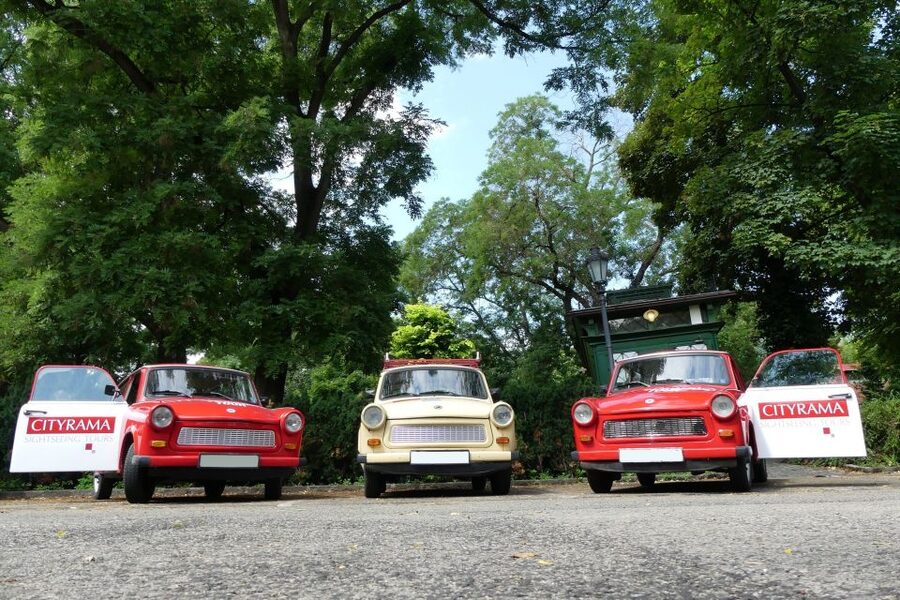
The star of this Budapest tour is the Trabant 601, a tiny East German car with a two-stroke engine, 26 horsepower, and a famously slow climb to 60 kilometers per hour. You get a city tour, but the real attraction is the odd little machine that turns an ordinary sightseeing ride into a rolling piece of communist-era life.
I like the choice between a communist-themed route and a more standard Budapest tour. I also like the small-group setup, with no more than three people and pickup from your hotel, apartment, Airbnb, or private address in Budapest. The main caution is simple: the car is old, cramped, and not perfectly reliable. One tour ended early after a breakdown, and another group expected to drive but was not clearly offered the chance.
Key points to know before booking
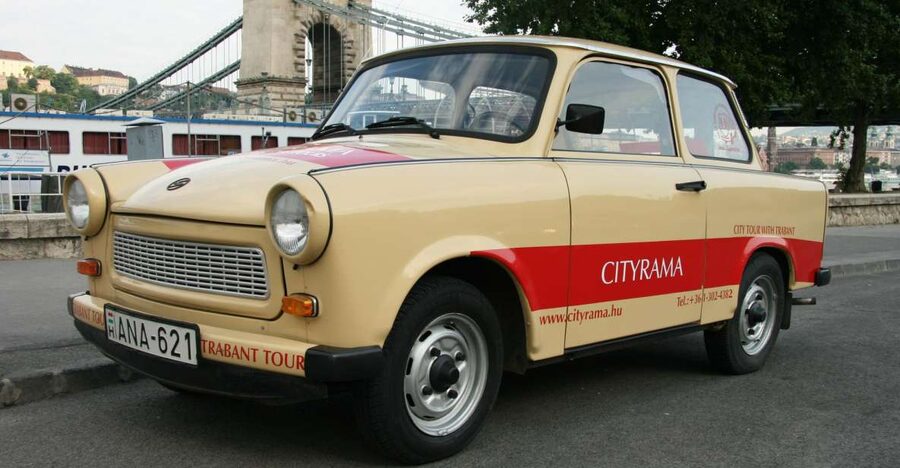
- The Trabant is the experience: You ride in an original 601, complete with its quirky fuel check and old-fashioned controls.
- You can shape the route: Ask for communist-era Budapest, including Statue Park and prefabricated housing blocks, or request a more familiar city sightseeing tour.
- Driving requires a license: Bring your valid driving license, and confirm in advance who will take the wheel.
- Hotel pickup is included: Pickup is available from accommodations and private addresses within Budapest at a time you choose.
- Three hours works well for a city overview: The tour gives you time for several stops without taking up a full day.
- Best value comes with three people: At $294 per group of up to three, the per-person cost is much easier to justify when shared.
Why a Trabant changes the Budapest sightseeing experience
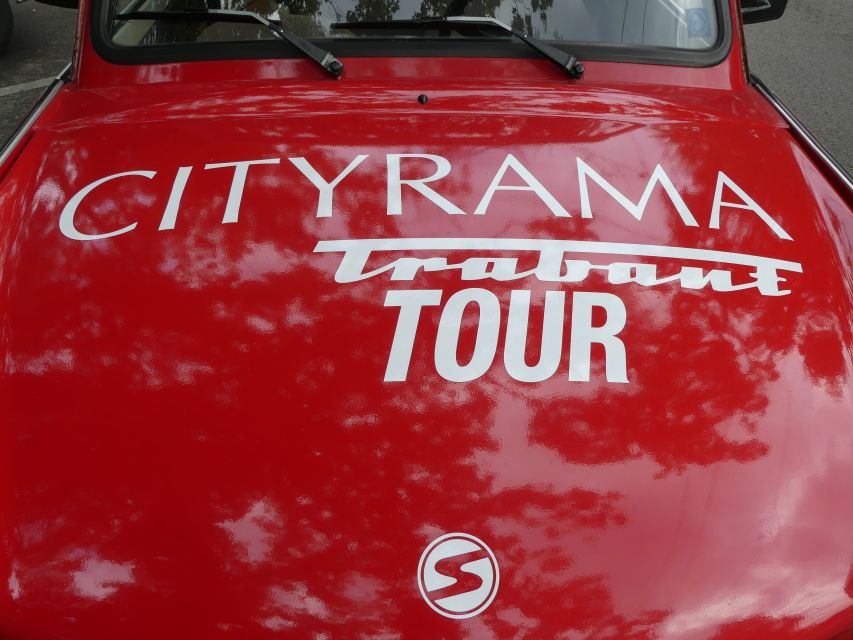
Budapest has grand sights in abundance, but this tour puts the attention on something much smaller. The Trabant 601 was built during the communist period and became a familiar sight across Eastern Europe. More than three million were manufactured, and the car earned affectionate nicknames such as paper Jaguar because of its light body made partly from plastic-like material.
You do not simply sit in a vintage car while someone else points out buildings. The Trabant has a personality of its own. Before setting off, you need to check the fuel dip-stick, open the fuel tap, press the clutch, and select first gear. That small ritual gives you a better sense of how basic and mechanical the car feels.
The performance is part of the joke and part of the charm. With only 26 horsepower, the Trabant takes about 21 seconds to reach 60 kilometers per hour. You will not be rushing from sight to sight. Instead, the slow pace gives you time to look around, and it makes the car easy for people on the street to notice.
Expect attention as you drive through Budapest. One guest described feeling like a celebrity because people regularly photographed the car. That reaction is not hard to imagine. A bright, boxy Trabant is far more unusual than a standard tour vehicle, and it gives the ride a social, slightly theatrical quality.
A few more Budapest half-days to weigh up
- 3-Hour Orientation Walking Tour of Buda and Pest
★ 4.8 · 1,834 reviews - Budapest: 3-Hour Grand City Tour and Castle Walk
★ 4.3 · 1,437 reviews - Budapest: 3-Hour Live Guided Sightseeing Tour
★ 4.4 · 1,041 reviews
Meeting your guide and choosing the route
Your English-speaking guide picks you up from an accommodation or private address anywhere within Budapest. Since the start time is arranged according to availability and your preferred beginning, this is more flexible than a fixed departure from a central meeting point.
The guide does more than handle the car. The strongest part of the tour is the explanation of Budapest and its communist past. A good guide can connect the vehicle to the neighborhoods and monuments you pass, turning the Trabant from a novelty into a useful way to understand the city.
One guide named Andre received special praise for sharing his passion for Budapest. Other feedback points to clear English, strong city knowledge, and careful answers to questions. Guide quality matters here because the route itself is flexible. You are not just following a fixed list of stops. You should tell the guide what interests you before or at the start of the tour.
You have two broad choices:
- A communist-era route with places such as Statue Park, Ecseri flea market, and prefabricated housing blocks
- A more traditional Budapest sightseeing route covering major city attractions
That choice makes this tour more useful for repeat visitors. If you have already seen the city center, the communist-focused option offers a different angle. If this is your first visit, a standard city tour may help you get oriented.
Statue Park and Budapest’s communist-era monuments
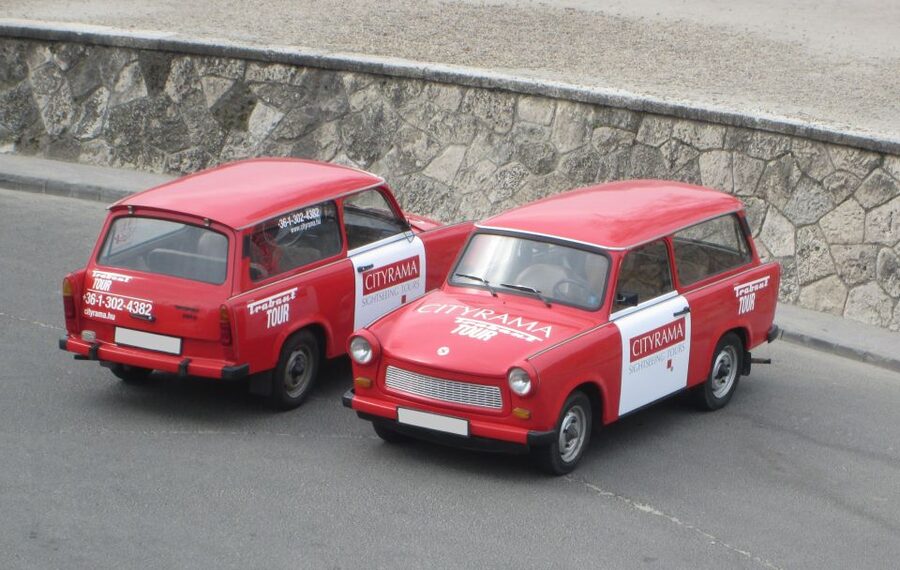
Statue Park is a natural fit for this experience. The park holds monuments from Hungary’s communist period, giving you a place to look directly at the symbols that once occupied public spaces across the country.
The value of visiting with a guide is the explanation. A collection of statues can seem like a curious outdoor display without context. With the right commentary, you can better understand why these monuments were made, what they represented, and why they were moved.
The information provided for this tour recommends Statue Park, but it does not promise a fixed stop at every departure. Ask specifically for it when arranging your route. The same applies to the other communist-era sights. A flexible tour is useful, but only if you make your priorities clear.
Ecseri flea market and the everyday side of old Budapest
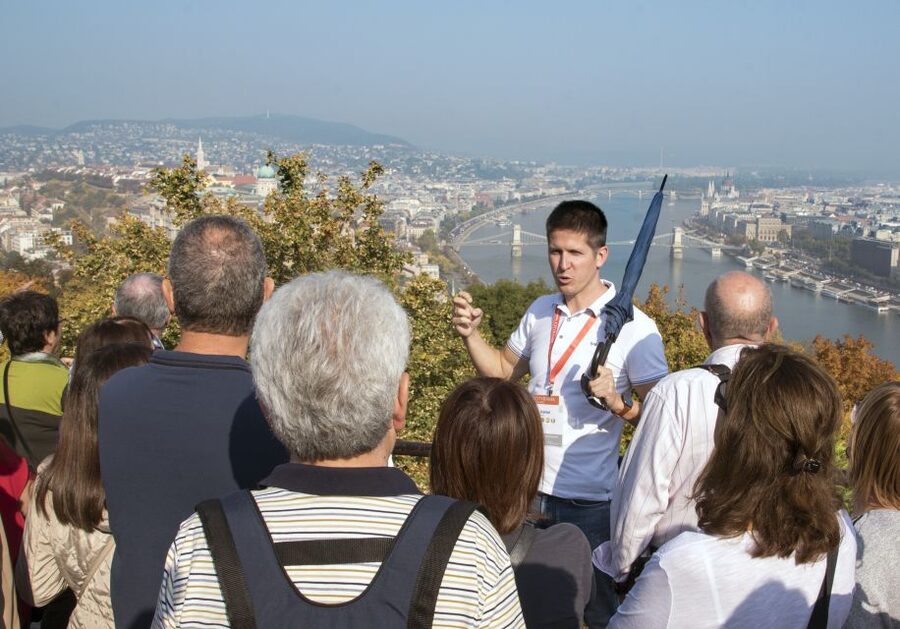
Ecseri flea market offers a different view from formal monuments. Instead of grand political symbols, you get the possibility of seeing the objects and visual clutter linked with everyday life in Hungary.
The market is recommended as part of the communist-themed route, but the tour details do not promise a particular amount of time there or confirm exactly what will be open during your visit. If it is important to you, ask the guide how it fits into the three-hour schedule.
I like this stop in principle because it keeps the tour from becoming a parade of political landmarks. It adds a more ordinary, lived-in side to the story. Still, you should think of it as one possible element of a flexible route, not a guaranteed shopping session.
A completely different kind of day out in Budapest:
- Budapest: City Highlights Cruise with Welcome Drink
★ 4.6 · 35,610 reviews - Budapest: Unlimited Prosecco, Beer and Aperol Spritz Cruise
★ 4.8 · 25,310 reviews - Budapest: Széchenyi Spa Day Ticket with Optional Upgrades
★ 4.3 · 23,911 reviews - Budapest: Nighttime or Daytime Sightseeing Cruise
★ 4.2 · 21,062 reviews
Prefabricated housing blocks and the less polished city
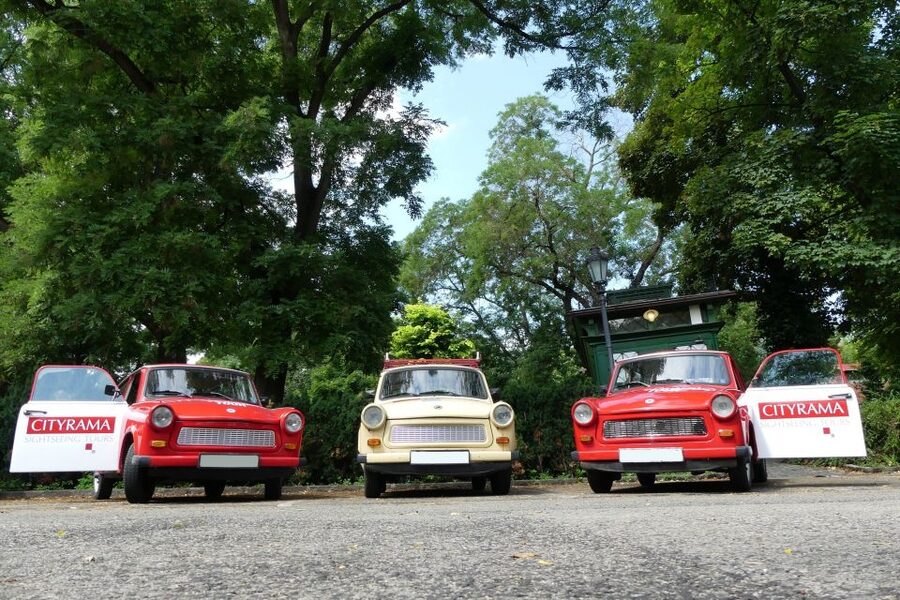
The tour can also take you past the typical prefabricated blocks built during the 1970s and 1980s. These buildings are not traditional sightseeing icons, but they help explain how cities grew during the communist period and how ordinary families experienced that era.
This is where a guide adds real value. On your own, you might pass a housing estate without giving it much thought. A guide can point out why these blocks were common and how they fit into the wider story of Budapest.
Do not expect every stop to be beautiful or picturesque. That is precisely the point. This route focuses on the city people lived in, not just the postcard views. If you prefer famous landmarks and elegant architecture, choose the normal city tour instead.
The normal Budapest option for first-time visitors
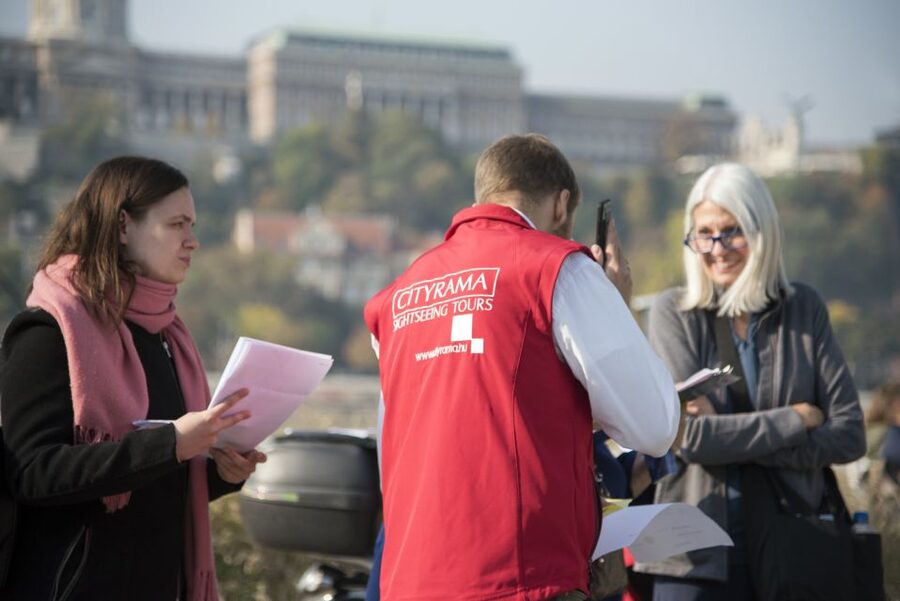
You are not required to choose the communist-themed route. A more conventional city tour is available, which may be the better fit if this is your first time in Budapest or if you want to combine the unusual car with the city’s main sights.
The supplied details do not list a fixed sequence of landmarks for this option, so you should ask what the guide plans to cover. The main benefit is flexibility. You can use the Trabant as a memorable way to see the city rather than focusing on a particular political period.
The car will still shape the outing. It is small, slow, and old, so this is not an efficient way to cover a long list of attractions. Think of the tour as a guided introduction with a distinctive vehicle, not as a race through every major sight.
Who gets to drive the Trabant?
The description presents the experience as driving an original Trabant and says that a valid driving license is required. That strongly suggests that licensed participants may be able to take the wheel, but the practical arrangement needs to be confirmed.
This point is important because one booking party specifically expected to drive, based on earlier confirmation, yet was not asked to drive during the tour. Do not leave this to assumption. When you book, state clearly that driving the Trabant is the reason you are choosing the experience, and ask how much driving time is available.
If nobody in your group wants to drive, the tour can still work as a guided ride. If driving is essential, get a clear answer before arrival. Bring your valid license either way.
The driving itself is part of the entertainment. You need to check the fuel dip-stick, open the fuel tap, operate the clutch, and shift into first gear. That old-fashioned routine is unlike starting a modern rental car, and it is one of the details that makes this tour feel genuine rather than themed.
Comfort, space, and the old-car factor
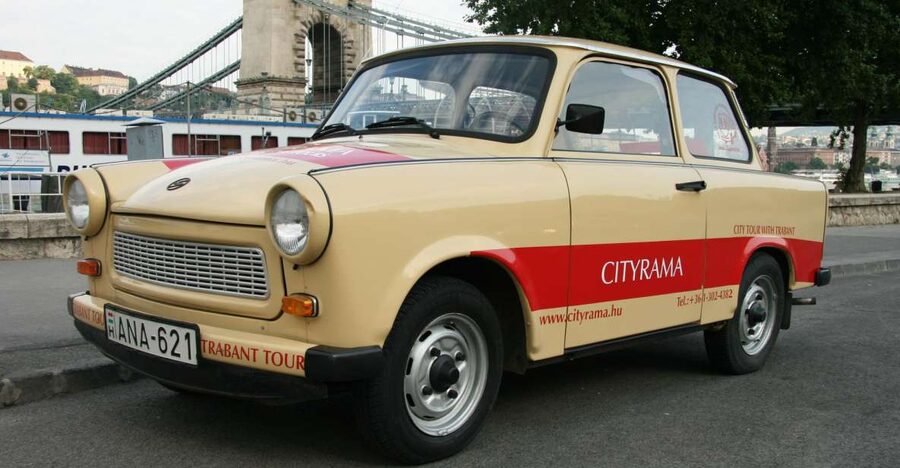
The Trabant is a small car. A group of tall adults may feel cramped, especially in the back. One party specifically warned that tall people can get squashed, so consider your group carefully before paying for three places.
The small size also limits luggage and personal space, though the supplied details do not give a specific luggage policy. If you have large bags, ask the operator before the pickup.
The car’s age is not just a visual feature. It can affect reliability. One tour had to finish early after the car broke down, although the company handled the problem well. This is a sensible reason to avoid scheduling the tour immediately before an important flight, timed attraction, or dinner reservation.
At the same time, mechanical quirks are part of why people choose a Trabant. If you need silent, smooth, fast transport, use a taxi. If you want a slightly unpredictable piece of motoring history, the old-car factor is part of the deal.
Is $294 a fair price for three hours?
The listed price is $294 per group of up to three people. That is a high total for a three-hour city tour, but the comparison is not quite the same as comparing standard sightseeing buses or walking tours.
You are paying for a private or very small-group experience, hotel pickup within Budapest, an English-speaking guide, and access to an original Trabant. With three people sharing the cost, the price works out to $98 per person. For two people, it is $147 each, and for one person, the value is much harder to defend.
I would consider it reasonable for a group of three that specifically wants the car and the communist-era theme. I would not book it solely as a cheap way to see the major sights. Budapest offers more efficient ways to get an overview of the city.
The value also depends on how clearly you set the route and driving expectations. Ask for the stops you want, confirm who will drive, and make sure the group is comfortable with the cramped car. Those few questions can make the difference between a tailored outing and an expensive surprise.
A possible airport transfer in the same car
You can also arrange an airport transfer in a Trabant. This is an optional extra, not part of the three-hour tour itself.
It is an amusing idea, but I would treat it as a novelty rather than a practical transport plan. An airport transfer carries more time pressure than a sightseeing ride, and the car’s age means you should think carefully before relying on it for a flight. The tour information does not give a transfer price, duration, or reliability guarantee, so ask for those details before adding it.
For a special arrival or departure, the Trabant transfer could be memorable. For an important flight, a more dependable vehicle is the safer choice.
Who should book this experience?
I would recommend it most to:
- Small groups of up to three who want a private-feeling outing
- People interested in communist-era Budapest and everyday urban history
- Car enthusiasts who enjoy old controls and modest machinery
- Repeat visitors looking beyond the usual central sights
- Families or friends who want a playful, unusual city tour
I would be more cautious if you are tall, need a smooth ride, dislike mechanical uncertainty, or want a fast list of Budapest’s main monuments. I would also hesitate if driving the Trabant is your main reason for booking but you have not received a clear answer about taking the wheel.
The tour has earned a 4.7 rating from 28 reviews, with especially strong praise for the guide’s English, city knowledge, explanations, and willingness to answer questions. The praise is not only about the car. The guide is what turns the outing into a useful Budapest experience.
Practical booking advice
Bring your valid driving license. Even if you plan to ride rather than drive, it is required information for the activity.
Use the flexible pickup to your advantage. The operator can collect you from a hotel, apartment, Airbnb, or private address within Budapest, and you can request the time you would like to begin, subject to availability.
Before the day, confirm four things:
- Whether you or another licensed participant will drive
- Which communist-era stops are possible
- Whether Statue Park and Ecseri flea market fit the schedule
- How the operator handles a mechanical problem
The booking terms allow free cancellation up to 24 hours before the tour for a full refund, and you can reserve now and pay later. Those options help if your Budapest plans are still shifting.
Should you book the Budapest Trabant tour?
Book it if the idea of driving or riding in a slow, noisy, slightly eccentric communist-era car sounds like the main event. The best version combines the Trabant with a route through Statue Park, prefabricated housing blocks, and other less polished parts of Budapest, guided by someone who can explain what you are seeing.
Skip it if you simply want the most efficient introduction to the city, or if your group needs generous legroom and guaranteed mechanical reliability. Most of all, clarify the driving arrangement before booking. With that question settled, this is a distinctive and good-humored way to see a side of Budapest that a standard sightseeing vehicle cannot provide.
FAQ
How long is the Budapest Trabant tour?
The tour lasts three hours.
How much does the tour cost?
The price is $294 per group of up to three people.
Is hotel pickup included?
Yes. Pickup is provided from hotels, apartments, Airbnbs, and private addresses within Budapest.
What language does the guide speak?
The live tour guide speaks English.
Can I choose a communist-era route?
Yes. You can request a tour focused on communist-era Budapest, or choose a more normal city sightseeing tour.
Which communist-era sights are recommended?
The recommended places include Communist Statue Park, Ecseri flea market, and typical prefabricated housing blocks built during the 1970s and 1980s.
Do I need a driving license?
Yes. You need to bring a valid driving license to drive the Trabant.
Can I book an airport transfer in a Trabant?
Yes. An airport transfer in a Trabant is available as an optional booking.
Recently added around Budapest
- Budapest: Private Walking Tour with a Local Guide★ 3.6 · 6 reviews
- From Budapest: Guided Tour of Eger with Wine Tasting★ 4.5 · 6 reviews
- Budapest: City Bike Tour with Coffee Stop★ 5.0 · 37 reviews
- Budapest: Danube River Views Bike Ride★ 4.8 · 23 reviews
- Budapest: Vacation Photographer to collect great memories★ 5.0 · 49 reviews
- Walk to recent and aged spiritual sanctuaries near Budapest★ 5.0 · 5 reviews
- Trash Art Museum: Hungary’s First Scrap Metal Exhibition★ 4.3 · 72 reviews
- Budapest: Multilingual Highlights Tour★ 4.8 · 89 reviews
City Tours, compared.


City Sightseeing Hop-On Hop-Off Bus Tour & Extras
Read our review →
Budapest Private Luxury Sightseeing Tour with Guide and Transport
Read our review →
Private Budapest City tour with Classic Russian Jeep or G-Wagon!
Read our review →Browse the lists this tour appears in