Reviewed · HALF-DAY
Capital Budapest – Half Day Private Tour (4hr)
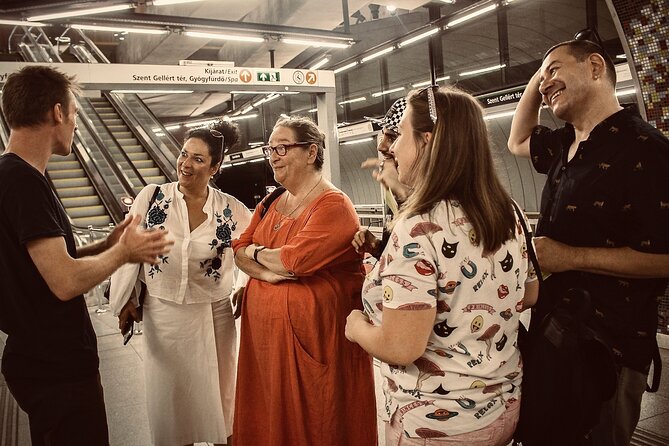
Budapest is a city best understood from both sides of the Danube, and this four-hour private tour covers Buda and Pest in one brisk outing. You’ll see the river bridges, Castle District, Heroes’ Square, Parliament, St. Stephen’s Basilica, and the Great Synagogue, with guide Miklos adding stories about the city along the way.
I like the private format, which lets your group of up to four set the pace, and I like that public transport is part of the experience rather than an afterthought. The main consideration is time: many stops last only 10 to 15 minutes, and attraction tickets are generally not included, so this is a sightseeing introduction rather than a thorough visit inside each landmark.
Key points to know before booking
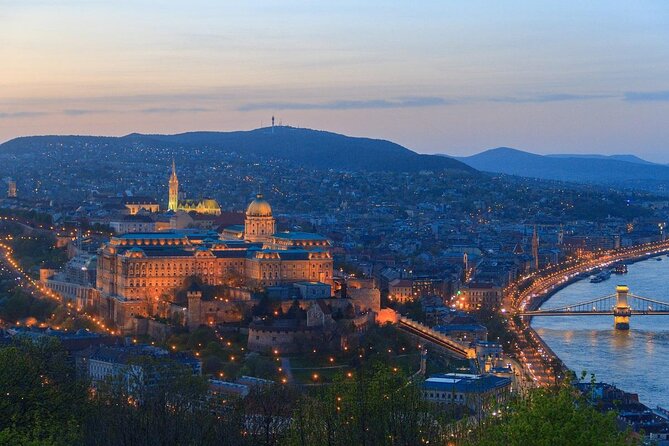
- Four hours across both sides of the Danube: The route links Buda’s Castle District with central Pest and Heroes’ Square.
- Private guiding for up to four people: The $489.24 group price works out to about $122 per person for four guests.
- Public transport is built in: A transport pass and a ride on historic Metro Line M1 are included.
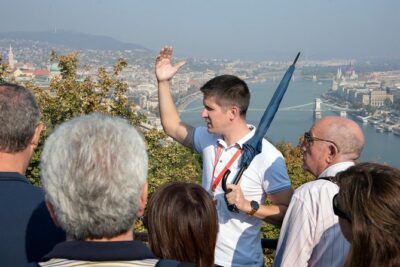
- Miklos brings local stories: The guide has been praised for explaining Budapest’s past and showing the city beyond a simple checklist of sights.
- Most interiors cost extra: Fisherman’s Bastion, Matthias Church, Parliament, St. Stephen’s Basilica, and the Great Synagogue list admission as not included.
- The tour ends with a drink: A 30-minute stop at Kamara Café near the synagogue gives you time to ask questions and plan the rest of your stay.
A fast, useful introduction to Budapest
This tour is built for your first day or two in Budapest, when you want the city to make sense quickly. It connects landmarks that are spread across several districts, so you avoid spending your limited sightseeing time working out which tram, metro, or bridge leads where.
The route is not a slow museum tour. You’ll stop at major viewpoints, squares, and buildings, hear context from your guide, and keep moving. That makes it useful for first-time visitors, families, and small groups who prefer a private guide to a large walking party.
Your guide can meet you at your Budapest hotel or at a central point you arrange in advance. The listed starting point is near Dohány Street, and the end is generally in the greater downtown area, with Astoria given as a reference point. Since the tour is private, you should confirm the meeting details clearly before the day begins.
One practical note is worth making. The booking system has caused communication trouble in at least one case, with the start time not clearly confirmed at first. That problem was connected to the booking platform rather than the guide, but I would still make sure your pickup time and location are settled before you arrive in Budapest.
A few more Budapest half-days to weigh up
- Countryside Half-day Gastro-Wine Tour from Budapest Meal & pickup
★ 5.0 · 1,450 reviews - Budapest Private Tuk Tuk Half-Day Tour
★ 5.0 · 606 reviews - Budapest City Sightseeing Half-Day Tour
★ 4.5 · 230 reviews
Liberty Bridge and Gellért Square: Budapest opens at the river
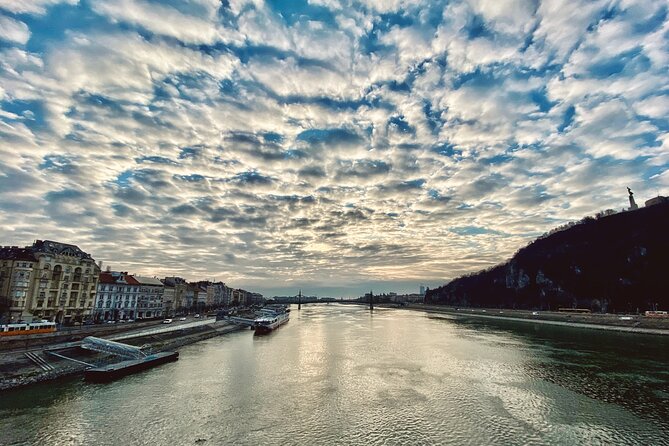
The first major sight is Liberty Bridge, or Szabadság híd, at the southern edge of central Budapest. Painted green and decorated with distinctive metalwork, it links Buda and Pest across the Danube and gives you an immediate sense of how the city is arranged.
You have about 10 minutes here, so expect a quick orientation and photographs rather than a long bridge walk. The stop is free, and its value is visual: from the bridge, you can look toward the Buda hills, the riverbanks, and the city center in one sweep.
On the Buda side, the route passes St. Gellért Square. The square takes its name from Bishop Gellért, remembered in Hungarian tradition as a martyr for Christianity. It is also an important gateway to the Buda side of the city, with the river, hills, and nearby spa district shaping the surroundings.
The route then continues through Clark Square, where the Chain Bridge, the tunnel under Castle Hill, the funicular, and several main roads meet. This is one of those places that makes more sense when a local explains it. On a map, the roads can look confusing. On the ground, you’ll see why the square has long been a key link between the river and Castle Hill.
Castle Hill and Fisherman’s Bastion: the best short panorama
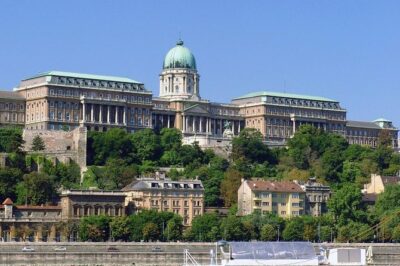
The road up Castle Hill turns beneath Fisherman’s Bastion toward the former Royal Palace area. This approach gives you one of the tour’s most rewarding photo opportunities, with the pale stone terraces framing views across the Danube toward Pest.
Fisherman’s Bastion is a Neo-Romanesque lookout built with seven pointed towers. The towers represent the seven Magyar chieftains traditionally associated with the founding of Hungary in 895. You do not need to know every detail to appreciate the place. Its arches, terraces, and high position make it an easy favorite for a first look at Budapest.
The scheduled stop is 10 minutes, and admission is not included. That short time is enough to see the main terraces and take photographs, but not enough for a relaxed exploration of every level. If the view is a priority for you, tell the guide early and ask how much of the stop will be spent on the paid sections.
Matthias Church sits directly beside Fisherman’s Bastion in the heart of the Castle District. Its patterned roof and decorated exterior are among the most recognizable sights on the hill. Church tradition places an early foundation here in 1015, though no archaeological remains from that first building survive.
Again, the listed stop is 10 minutes, and entry is not included. Think of this as an exterior introduction unless you decide to pay for admission and have enough time. The guide can explain why the church matters, but the schedule does not allow the kind of quiet interior visit you would want if religious art or architecture is central to your plans.
Dísz tér, Vienna Gate, and Buda’s everyday side
Dísz tér offers a different view of Castle Hill. Rather than grand terraces, you’ll see mostly one- and two-storey historic residential buildings. The square occupies the central part of the Castle District, near St. George’s Square and the former bourgeois town.
This is a useful pause in the route because Budapest is more than its postcard views. Foundations and wall sections connected with older Gothic houses can still be found in the area. Your guide can help you notice those traces, which are easy to miss when you are focused only on the Royal Palace and the Danube panorama.
The route also passes Vienna Gate, named for the old road connection toward Vienna. From there, it continues toward Széll Kálmán Square, formerly called Moscow Square. Today it is one of Buda’s main transport interchanges, surrounded by shops and the Mammut shopping center.
These stops are not presented as major attractions with long visits. Their purpose is to show how the Castle District connects to ordinary Budapest life. That is one of the tour’s better qualities: you get a look at transport hubs and working city streets, not only ceremonial monuments.
A completely different kind of day out in Budapest:
- Budapest: City Highlights Cruise with Welcome Drink
★ 4.6 · 35,610 reviews - Budapest: Unlimited Prosecco, Beer and Aperol Spritz Cruise
★ 4.8 · 25,310 reviews - Budapest: Széchenyi Spa Day Ticket with Optional Upgrades
★ 4.3 · 23,911 reviews - Budapest: Nighttime or Daytime Sightseeing Cruise
★ 4.2 · 21,062 reviews
Heroes’ Square and the M1 metro
Heroes’ Square is one of Budapest’s most important public spaces. Its central statue complex honors the Seven Chieftains and other major Hungarian national figures. The Memorial Stone of Heroes is often called the Tomb of the Unknown Soldier, though that description is not technically correct.
You have about 15 minutes here, and there is no admission charge. That is enough to walk across the square, examine the monument, and hear the basic story behind the figures. It is not enough to visit every surrounding cultural institution, so treat this as a strong outdoor stop.
Getting there by Metro Line M1 adds something special. Opened in 1896, the Millennium Underground Railway is the oldest line in the Budapest Metro and the first underground railway on mainland Europe. Riding it is not just a practical transfer. It gives you a small piece of Budapest’s transport history while moving between two very different parts of the city.
The included public transport pass is especially useful here. You do not have to buy a separate ticket for the ride, and you get a feel for how locals move around the center. Since this is a private tour, the guide can help you understand the system and point out how the route fits together.
Parliament and Kossuth Square: Budapest’s grandest river view
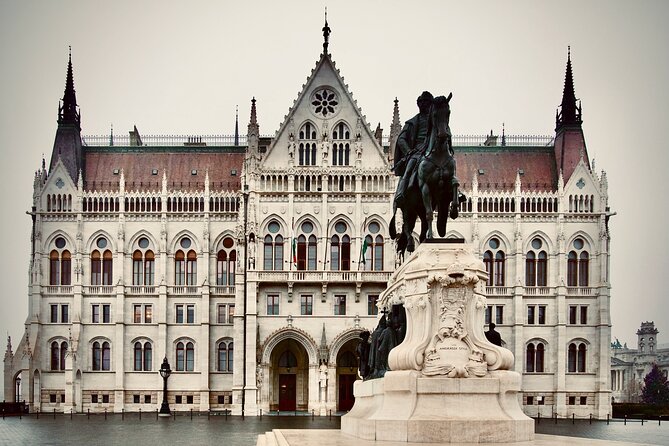
The Hungarian Parliament Building is on the Pest side of the Danube, facing the river from Kossuth Square. Designed by Imre Steindl in Neo-Gothic style, it opened in 1902 and remains Hungary’s largest building.
The 15-minute visit is not enough for a full parliamentary tour, and admission is not included. You should think of this as an exterior stop and an opportunity to hear about the building’s role as the seat of Hungary’s National Assembly. If you want to tour the interior, you would need to arrange that separately and allow much more time.
Kossuth Square itself was renamed in 1927 for Lajos Kossuth and was formerly known as Parliament Square. The Museum of Ethnography and the Ministry of Agriculture face the Parliament building, adding architectural context to the setting.
The area around the square also mixes office buildings and residences. The United States Embassy and the historicist headquarters of the Hungarian National Bank sit nearby, with some Art Nouveau details among the surrounding buildings. A guide is useful here because the square can look like one enormous monument at first glance. The nearby buildings tell a wider story about national government, finance, and public life.
St. Stephen’s Basilica and the central city
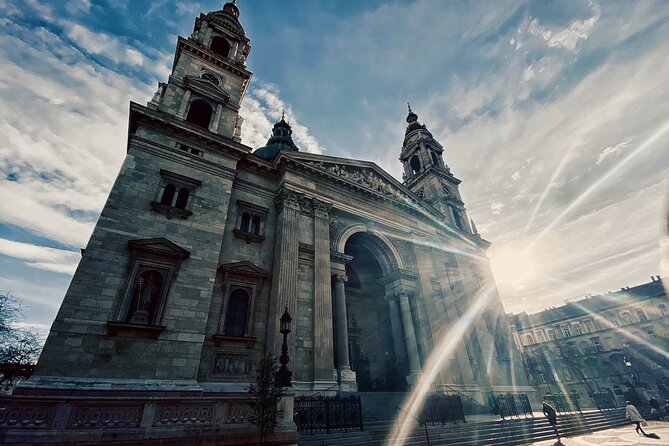
St. Stephen’s Basilica is named for Stephen, Hungary’s first king. The church is associated with a reliquary said to contain his right hand, a significant object in Hungarian Catholic tradition.
The scheduled visit lasts 15 minutes, with entry not included. That gives you time to see the exterior and understand the basilica’s place in the city, but it is a short window for the interior. If you want to see the reliquary or spend time with the church’s decoration, ask about adding time or plan a separate visit.
The route then passes a park near Deák Ferenc Square, a popular meeting place for young people. The square is one of central Budapest’s main gathering and transport areas, and it can remain active late into the evening. This short section helps connect the formal church setting with the daily rhythm of downtown.
The Great Synagogue and the 7th District
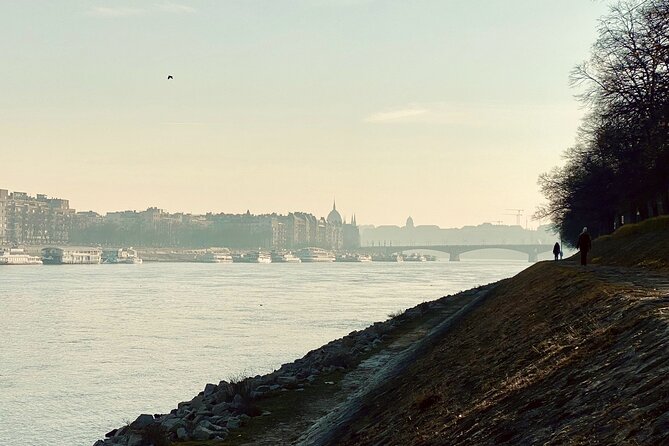
The Great Synagogue on Dohány Street is one of Budapest’s most important religious and historic buildings. It is the largest synagogue in Europe, with seating for 3,000 people, and serves as a center of Neolog Judaism.
The 15-minute stop gives you an introduction to the building and its place in Erzsébetváros, Budapest’s 7th District. Admission is not included, so you should budget separately if you want to enter. The outside visit still matters, but the synagogue’s full story requires more time than this schedule allows.
This is one of the places where your guide’s explanations can add real value. The building is not simply another grand facade on a sightseeing route. Its religious role and position in Budapest’s Jewish district make it an important part of understanding the city.
Kamara Café: a sensible finish
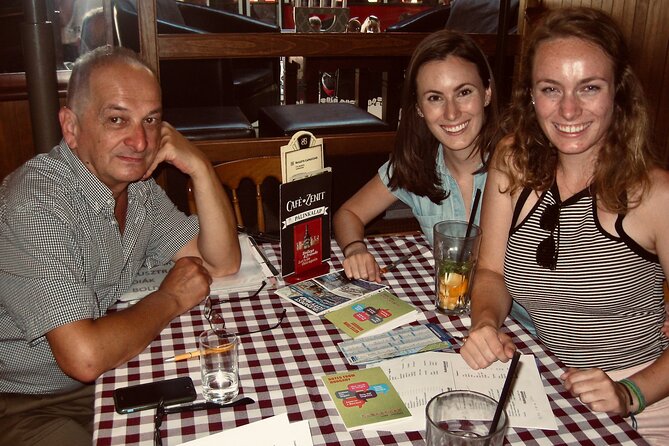
After the major sights, you spend about 30 minutes at Kamara Café near the synagogue. One hot or cold drink is included, and the café stop gives the tour a calmer ending than simply being dropped at the last monument.
This is when I would ask practical questions. You can discuss which sights deserve a return visit, practise a little Hungarian, and plan the rest of your stay with someone who knows the city. The tour also includes a city map and a notebook with a pen, small items that are genuinely useful after a fast morning or afternoon of sightseeing.
The café break is particularly helpful because the route covers so much ground. You have time to sort your impressions instead of trying to remember every square, bridge, and church at once.
What the $489.24 group price really buys
The price is $489.24 for up to four people. For a full group, that is about $122.31 per person. For two people, the effective cost is about $244.62 each, so the value depends heavily on group size.
You are paying for private guiding, hotel pickup if arranged, a public transport pass, the café drink, and a route that connects major sights efficiently. You are not paying for most landmark admissions. Fisherman’s Bastion, Matthias Church, Parliament, St. Stephen’s Basilica, and the Great Synagogue all list entrance fees separately.
I would consider the price reasonable for four people who want a private orientation and do not want to arrange the city’s transport and sightseeing on their own. For one or two people, the cost is harder to justify unless personal attention and a flexible route matter more to you than admission savings.
Because each major stop is short, the tour works best as a planning tool. You see enough to decide where to return, then spend later days visiting the interiors that interest you most.
Who will get the most from this tour
I would recommend it to first-time visitors who want Budapest explained in one concentrated session. It also suits families or friends who prefer their own guide and want pickup from a hotel rather than meeting a large group at a fixed location.
The tour is a good match for people who enjoy local stories. Miklos has been praised for explaining Budapest’s past and showing the appealing and thought-provoking sides of the city. That personal storytelling is likely to matter more here than a long list of dates.
I would be more cautious if you want extended museum visits, leisurely photography, or detailed church interiors. The route is ambitious, and the 10 to 15-minute stops are designed for orientation. You may also want to check the weather forecast, since the experience requires good weather and can be moved or refunded if poor conditions prevent it from running.
The tour operates Monday through Sunday from 8:00 AM to 6:00 PM during the stated operating period. Most people can participate, service animals are allowed, and the route is near public transportation. Free cancellation is available up to 24 hours before the start time, but changes or cancellations inside that window are not accepted.
Should you book the Capital Budapest half-day tour?
Book it if you have four people, limited time, and want a private guide to connect Buda, Pest, the Danube, and the historic M1 metro. The strongest parts are the range of sights, the practical transport help, the Castle District views, and the relaxed café finish with Miklos.
Choose something else if your main goal is to enter every landmark or spend an hour at each one. This is a smart first look at Budapest, not a replacement for focused visits to Parliament, the synagogue, Matthias Church, or the basilica.
For the best value, use the tour early in your stay, note which buildings you want to revisit, and confirm the pickup details before the day. With a full group of four, the cost becomes much easier to defend. With only one or two people, book it for the private attention and local guidance, not for admission savings.
FAQ
How long is the Capital Budapest private tour?
The tour lasts approximately four hours.
How much does the tour cost?
The price is $489.24 per group of up to four people.
Can the guide pick me up at my hotel?
Yes. Pickup can be arranged at your Budapest hotel or at a central meeting point agreed upon in advance.
Is public transportation included?
Yes. A public transport pass is included, and the route uses Budapest’s Metro Line M1.
Are entrance tickets to the major attractions included?
No. Admission is listed as not included for Fisherman’s Bastion, Matthias Church, the Hungarian Parliament Building, St. Stephen’s Basilica, and the Great Synagogue. Liberty Bridge and Heroes’ Square are listed as free stops.
Is food or a drink included?
One hot or cold beverage at Kamara Café is included. The tour does not list a meal.
What happens if the weather is poor?
The experience requires good weather. If it is canceled because of poor weather, you will be offered another date or a full refund. You can also cancel up to 24 hours before the start time for a full refund.
Recently added around Budapest
- Budapest: Private Walking Tour with a Local Guide★ 3.6 · 6 reviews
- From Budapest: Guided Tour of Eger with Wine Tasting★ 4.5 · 6 reviews
- Budapest: City Bike Tour with Coffee Stop★ 5.0 · 37 reviews
- Budapest: Danube River Views Bike Ride★ 4.8 · 23 reviews
- Budapest: Vacation Photographer to collect great memories★ 5.0 · 49 reviews
- Walk to recent and aged spiritual sanctuaries near Budapest★ 5.0 · 5 reviews
- Trash Art Museum: Hungary’s First Scrap Metal Exhibition★ 4.3 · 72 reviews
- Budapest: Multilingual Highlights Tour★ 4.8 · 89 reviews
Half-Day, compared.
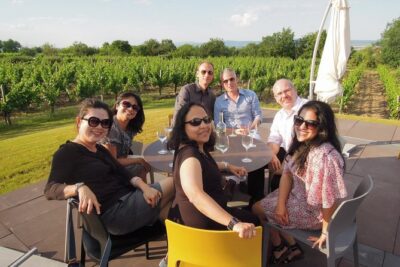
Countryside Half-day Gastro-Wine Tour from Budapest Meal & pickup
Read our review →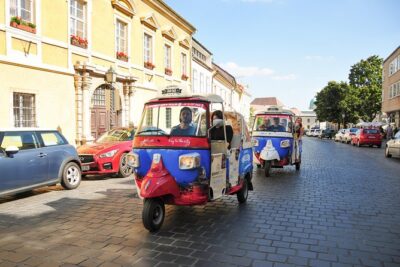
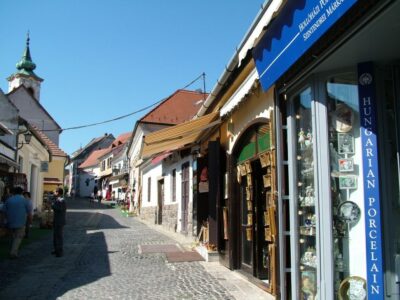
Budapest Guided Half-Day Grand City Tour with Parliament Visit
Read our review →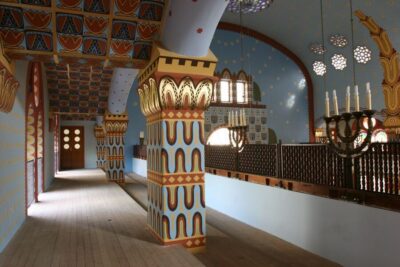

Budapest Gödöllő Palace Royal ‘Sisi’ Residence Half-Day Tour
Read our review →