

Reviewed · BUDA CASTLE TOURS
Budapest Castle District Walking Tour
The most useful thing about this Buda Castle District walk is that it connects the postcard sights with the less obvious corners around them. You see Matthias Church and Fisherman’s Bastion, but you also hear about Jewish life, wartime destruction, Ottoman history, underground defenses, and the odd little statues scattered around Castle Hill. I especially like the local guides, including Dora, Rita, Gary, and Sophia, who bring different styles and stories to the route.
I also like the sensible two-hour length and the chance to ask questions as you walk. At $3.62 per person, the booking price is tiny, though your guide depends on donations, so the real cost is the tip you choose to give. The main drawback is physical: the route includes a 10-minute uphill walk, many stairs, and a fair amount of walking, while the time at Buda Castle itself can feel short.
Key points to know before you book
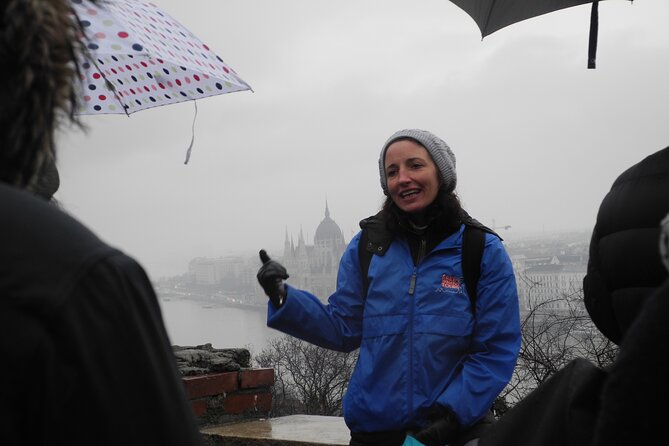
- Meet at Batthyány Square: The guide waits at the metro exit in the park, not at the castle.
- Expect uphill walking and stairs: You need moderate fitness, and the route is not wheelchair accessible.
- See more than the famous views: The walk includes a medieval Jewish prayer house, the National Archives, wartime ruins, and underground Castle Hill stories.
- Guides set the tone: Dora, Rita, Gary, Sophia, Andy, and others have led the route, with styles ranging from witty and animated to calm and serious.
- The view is free: You learn how to reach a free lookout point from Castle Hill rather than paying for every terrace.
- Plan for a donation: The $3.62 booking fee covers administration. Your guide’s income comes from tips at the end.
Why this walk makes sense early in your Budapest visit
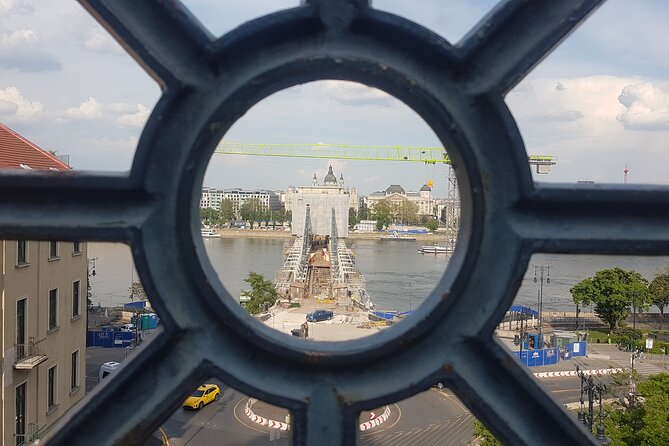
Budapest can feel split in two. Pest is flatter, busier, and packed with cafés, shops, and grand city streets. Buda rises across the Danube, and its Castle District feels slower, older, and more layered. This walk gives you a useful first look at that side of the city without asking you to spend half a day inside a museum.
The tour takes about two hours and covers the upper part of Buda Castle District on foot. You are not simply led from one famous building to the next. The guide explains how the district changed under Hungarian, German, Jewish, Ottoman, and modern Hungarian influence. That context helps the buildings make sense.
I would book this early in a Budapest stay if you want to understand what you are seeing later. You can return to Matthias Church, Fisherman’s Bastion, or the palace afterward with a better sense of their place in the city. The tour is also useful for asking practical questions about Budapest, since the final part includes time for answers and local advice.
The group can reach up to 30 people, so do not assume you will always have an intimate walk. Some departures may feel small, while others can be more crowded. A strong guide matters, and the names attached to past departures include Dora, Zsófia, Rita, Esther, Endre, Gábor, Gary, Judit, and Sophia.
More ways to see Buda Castle:
- Budapest: Buda Castle Cave Tour
★ 4.7 · 5,677 reviews - Budapest: Buda Castle District Vampires and Myths Night Tour
★ 4.6 · 3,830 reviews - Budapest: Buda Castle Walk with Saint Stephen’s Hall
★ 4.5 · 3,012 reviews
Starting at Batthyány Square and climbing toward Buda
The meeting point is Batthyány tér 1, at the Batthyány Square metro exit in the park. This detail matters. The route does not begin at the castle, so arrive ready for the climb rather than assuming you can stroll straight into the palace grounds.
The first section includes about a 10-minute uphill walk. Guides often stop to let the group catch its breath, and several have been praised for finding shade or allowing rest breaks. Still, you should wear comfortable shoes and take the warning about fitness seriously. One person described the stairs as a workout, while another joked that the walk meant skipping the gym.
The climb is part of the experience because it shows how the Castle District rises above the Danube. You begin with the river and Pest side nearby, then gradually reach the historic plateau. If you have low blood pressure, trouble with stairs, or a tendency to feel unwell when cold or hungry, bring water and eat beforehand. One participant became ill near the end of a cold tour, and the guide called an ambulance. It is a useful reminder to pace yourself.
Matthias Church and 800 years of change
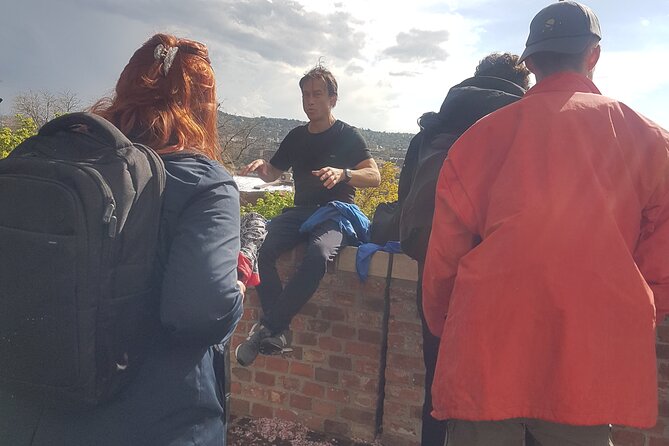
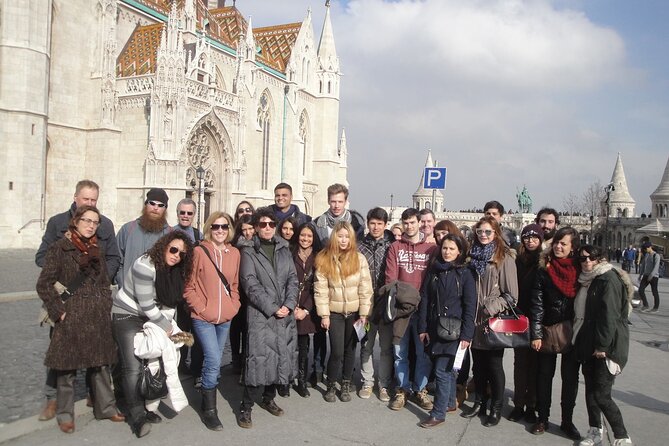
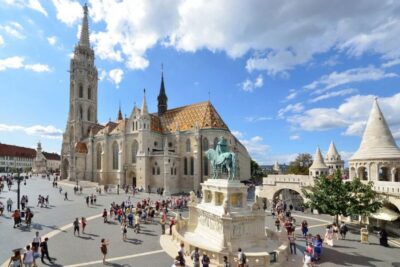
Matthias Church is one of the tour’s main visual anchors. You see its patterned roof and ornate exterior while your guide sets out roughly 800 years of history in the surrounding district. The tour does not enter the church, so plan a separate visit if you want to see the interior.
The value here is the explanation of change. Castle Hill was not simply a royal neighborhood frozen in time. It was affected by wars, occupations, political shifts, and the changing lives of German, Jewish, and Hungarian residents. A good guide turns the façades into clues about who lived here and how the district functioned.
The strongest guides appear to balance facts with stories. Dora has been praised for answering questions, while Odea was noted for animated storytelling and even teaching a few Hungarian words. Other guides, including Gary and Sophia, are described as clear, patient, and easy to understand. That variety means the tone can differ from one departure to another.
Fisherman’s Bastion and the free Danube view
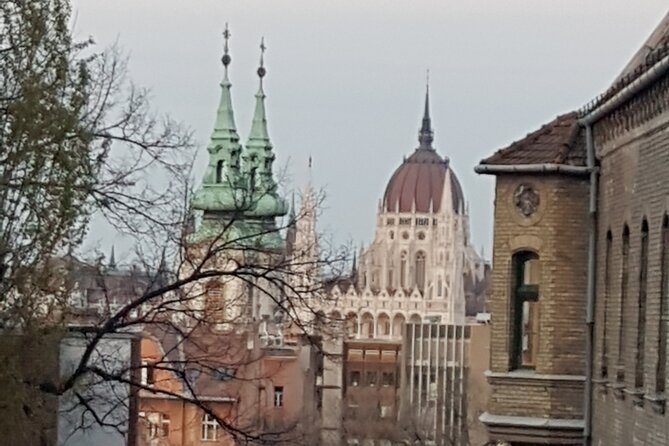
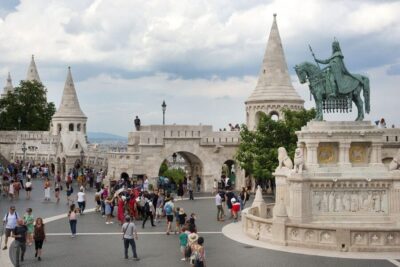
Fisherman’s Bastion is the stop most likely to fill your camera. Its white towers and terraces frame broad views across the Danube toward Pest. The guide explains the site’s connection with Walt Disney, along with a curious lesson about the meaning of crosses with one, two, or three strips.
Just as useful is the practical advice about finding a free view from Castle Hill. This keeps the tour from treating every attractive overlook as a paid add-on. You can enjoy the panorama, listen to the explanation, and learn where to return for your own photographs.
Crowds are the catch. Fisherman’s Bastion is one of Budapest’s most visited spots, and the terraces can be packed. That may make it hard to hear or pause exactly where you want. On a hot day, a dry delivery can also become tiring, especially with little shade. If your guide speaks quickly, move close enough to hear clearly and ask for a repeat when needed.
The stop itself is brief, around 10 minutes. That is enough for orientation and a few photographs, but not a leisurely exploration of every terrace. Keep your expectations realistic.
More walking tours in Budapest:
- Big Bus Budapest Hop-On Hop-Off Bus and Walking Tour
★ 3.5 · 2,206 reviews - Budapest: Buda Castle District Walking Tour
★ 4.6 · 2,108 reviews - Budapest City Landmarks Walking Tour in 2 Hours
★ 5.0 · 2,048 reviews - 3-Hour Orientation Walking Tour of Buda and Pest
★ 4.8 · 1,834 reviews
The medieval Jewish prayer house and baroque homes
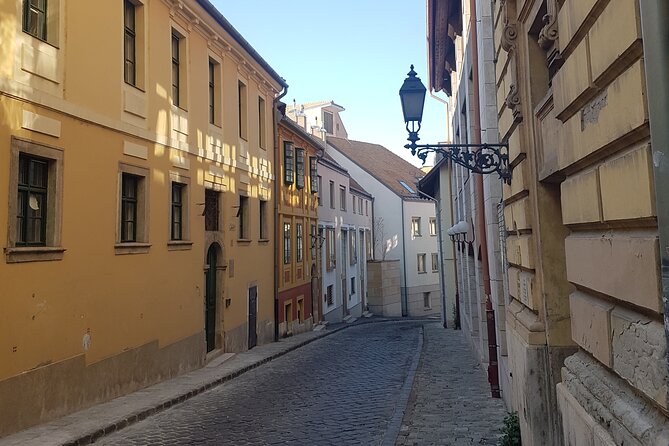
The medieval Jewish prayer house gives the walk a more thoughtful turn. It is easy to focus only on royal power and grand viewpoints in the Castle District, but this stop points toward the people who lived and worshiped here.
The surrounding baroque residential buildings add another layer. Instead of seeing Castle Hill as one large monument, you begin to notice the ordinary urban fabric around the grand sites. The guide explains the district’s Jewish, German, and Hungarian communities, helping you picture daily life alongside official history.
The stop lasts about 10 minutes and is primarily an exterior introduction. It is best for travelers who want social history as well as kings and battles. If you are interested only in entering major buildings, this section may feel less immediately rewarding, but it is one of the details that gives the walk a wider view of Buda.
The National Archives and the scars of World War II
Near the National Archives of Hungary, the guide discusses the destruction caused by World War II and points out where the Nazi stronghold was located. This is one of the more sobering parts of the walk. Castle Hill suffered major damage, and many buildings were rebuilt or altered after the war.
You also hear about the wealthy residents of the district and the Muslim pilgrimage site connected with Gül Baba, an Ottoman Turkish monk and soldier. These subjects widen the story beyond a simple Hungarian royal narrative. The district has links to several communities and periods, and the guide uses the streets to connect them.
The National Archives stop takes around 10 minutes. You should expect explanation rather than a museum visit. The tour is strongest when you let the guide point out how destruction and rebuilding changed the appearance of the area.
Underground Castle Hill, bunkers, and public art
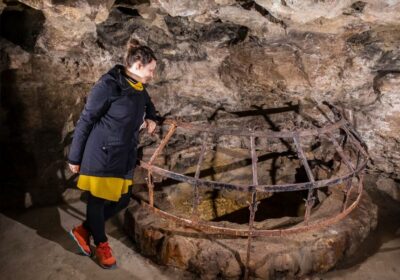
The route introduces the underground world beneath Castle Hill, including its labyrinths and defensive role over the centuries. It also passes the Hospital in the Rock Nuclear Bunker Museum, but the tour does not list entry to the museum as part of the walk. Treat this as an introduction, not a substitute for the museum visit.
This section helps explain why Castle Hill mattered militarily. The hill was not just a palace site with pretty terraces. Its tunnels, shelters, and underground spaces played a role in defense, and the guide connects them to the district’s wartime past.
You also see some of Budapest’s unusual public statues and hear about the hussars, the light cavalry fighters known for their womanizing reputation in the tour’s storytelling. This is where the route can become playful after the heavier wartime material. The contrast keeps the two hours from becoming a nonstop lecture.
The stop lasts about 15 minutes. Pay attention to footing, since the overall route includes steps and uneven walking. The tour does not appear designed for a wheelchair, and anyone with movement difficulties should consider another way to see the district.
Buda Castle, royal power, and the Turul bird
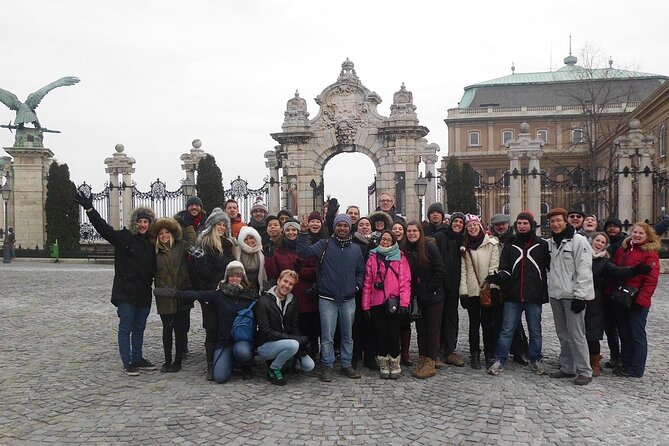
Buda Castle is the largest visual payoff. The palace was once the residence of Hungarian kings, but its present form reflects repeated rebuilding after war damage. The guide explains that history while pointing out modern government offices, including the locations associated with the president and prime minister.
You also learn about the Turul, the mythical bird of the Hungarians. Details like this are useful because they connect architecture and monuments to national identity. You are not only looking at a large palace. You are learning why certain symbols appear around Budapest and how the city presents its past.
The planned stop is about 20 minutes, the longest single pause on the route. Even so, this is where some people may want more time. If you are hoping for a long photography session or a detailed look around the palace grounds, the schedule can feel rushed. One practical approach is to treat the tour as your orientation, then return later for your own photographs and additional visits.
Bathrooms and places to refill water bottles are available at Buda Castle, a useful detail on a walking route with stairs and uphill stretches. The tour itself does not include admission tickets, so check separately if you want to enter any paid site.
Finishing by Prince Eugene’s statue
The final stop is the equestrian statue of Prince Eugene of Savoy, near the palace terrace. From here, you get a fine view across the Danube toward Pest. The guide may test the group with questions about Castle Hill landmarks and Hungarian life, which gives the ending a lighter, interactive feel.
The tour closes with practical information and time for remaining questions. That is useful if you want advice about what to see next or need to clarify something from the walk. The official ending is about a 30-minute walk from the starting point, so do not plan to return immediately to Batthyány Square without allowing extra time.
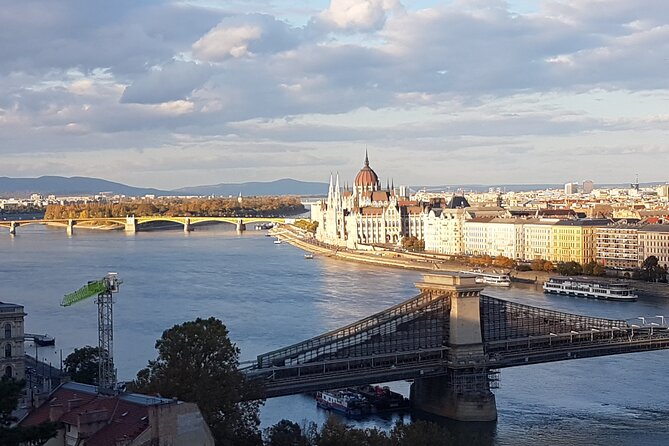
This finish also gives you a better chance to understand the geography of Budapest. From the high terrace, the Danube separates Buda and Pest, while the bridges and city buildings create the broad panorama that makes the district so popular.
Guides, group size, and the value of different styles
Guide quality is central here because the tour has no indoor attractions or included admission to carry the experience. The best version depends on a guide who can make a long sequence of historical facts easy to follow.
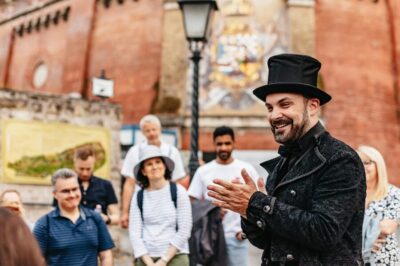
Dora has been praised for warmth, humor, and a willingness to answer questions. Rita is described as cheerful and well balanced between history and wit. Gary is associated with a relaxed but lively style, while Sophia has been praised for patience, clear speech, and quick help during a medical emergency. Judit has covered subjects ranging from history and street art to politics.
The style is not always a perfect match for every person. One account found Andy’s delivery too dry on a very hot day, while another found him highly informative. A separate comment noted that a guide spoke too quickly. If you need a slower pace, ask early. If you are sensitive to heat, cold, or loud surroundings, dress for the weather and stay near the guide.
The overall rating is 4.9 from 630 ratings, with 98 percent recommending the experience. That is a strong sign of consistent value, though it cannot remove the normal differences between guides, group sizes, weather, and personal expectations.
Price, tips, and what you really pay
The listed price is $3.62 per person, which is unusually low for two hours with a licensed local guide. The booking fee goes toward administration and does not contribute to the guide’s earnings.
This is a donation-based walk. Your guide depends entirely on tips, and the amount is your choice. I would treat the $3.62 as a reservation charge, not the full price of the experience. If the guide gives you a useful introduction, answers questions, manages the climb, and keeps the group together, budget a suitable tip as part of your cost.
The value is especially good if you are visiting Budapest for the first time and want a quick orientation before exploring on your own. It is less useful if you have already spent substantial time in the Castle District or want long, unhurried visits inside individual attractions.
Weather, cancellation, and practical preparation
The tour requires good weather. If poor weather causes cancellation, you are offered another date or a full refund. You can cancel for a full refund up to 24 hours before the start time, while changes or cancellations made later are not accepted.
Wear shoes suited to stairs and uphill walking. Bring water, eat before setting out, and allow extra time at the end because the finish is far from the starting point. Service animals are allowed, and the meeting point is near public transportation.
The route is not wheelchair accessible, and the operator asks you to consider your ability to complete a 10-minute uphill walk. A moderate level of physical fitness is needed. In winter, wind on the exposed terraces can make the route feel much colder than the temperature suggests. In summer, shade and rest breaks become important.
Who should book this Buda Castle walk?
You should book it if you want a low-cost introduction to Buda, enjoy walking tours, and prefer a mix of famous sights and less obvious history. It works particularly well on your first day in Budapest, when the views and explanations can help you plan the rest of your visit.
It also suits curious teenagers and adults who like asking questions. The route includes architecture, war, religion, politics, local symbols, public art, and city views, so it is not limited to one subject.
You may want to skip it if stairs are difficult, if you need a wheelchair-accessible route, or if you want extensive time inside Matthias Church, the Hospital in the Rock, or Buda Castle. You might also prefer a private or shorter tour if a group of up to 30 feels too large.
For most fit visitors, I would book it. The cost is low, the route covers a lot, and the guides add the human details that signs often miss. Just arrive at Batthyány Square prepared for a climb, allow for a donation, and save time afterward to revisit the spots where you want more photographs.
FAQ
Where does the Budapest Castle District Walking Tour begin?
It begins at Batthyány Square, Budapest, at the Batthyány tér metro exit in the park.
Where does the tour finish?
The tour finishes at the Statue of Prince Eugene of Savoy near Buda Castle. The ending point is about a 30-minute walk from the starting point.
How long does the tour last?
The walking tour lasts approximately two hours.
Is entry to Matthias Church included?
No. The tour shows you Matthias Church and explains its history, but you do not enter the church.
How much walking and climbing is involved?
You should expect a 10-minute uphill walk, many stairs, and a good amount of walking. Moderate physical fitness is recommended.
Is the tour wheelchair accessible?
No. The route is not wheelchair accessible. Service animals are allowed.
What happens if the weather is poor?
If the tour is canceled because of poor weather, you are offered a different date or a full refund. You can also cancel up to 24 hours before the start time for a full refund.
Recently added around Budapest
- Budapest: Private Walking Tour with a Local Guide★ 3.6 · 6 reviews
- From Budapest: Guided Tour of Eger with Wine Tasting★ 4.5 · 6 reviews
- Budapest: City Bike Tour with Coffee Stop★ 5.0 · 37 reviews
- Budapest: Danube River Views Bike Ride★ 4.8 · 23 reviews
- Budapest: Vacation Photographer to collect great memories★ 5.0 · 49 reviews
- Walk to recent and aged spiritual sanctuaries near Budapest★ 5.0 · 5 reviews
- Trash Art Museum: Hungary’s First Scrap Metal Exhibition★ 4.3 · 72 reviews
- Budapest: Multilingual Highlights Tour★ 4.8 · 89 reviews
Buda Castle Tours, compared.
Buda Castle District Vampires and Myths Night Tour
Read our review →
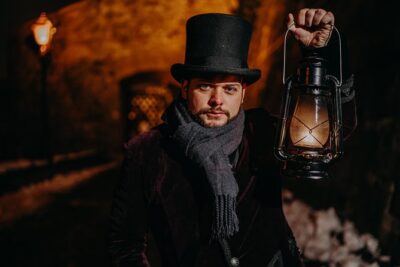
Buda Castle District Dark History, Legends and Vampire Night Tour
Read our review →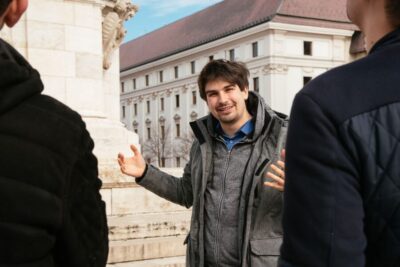
Buda Castle District Walking Tour with a Historian
Read our review →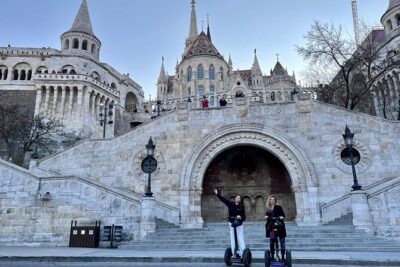
1.5 Hour Budapest Segway Tour – To The Castle Area
Read our review →Browse the lists this tour appears in