
Reviewed · ST STEPHENS BASILICA TOURS
Budapest: St Stephen’s Basilica Tour
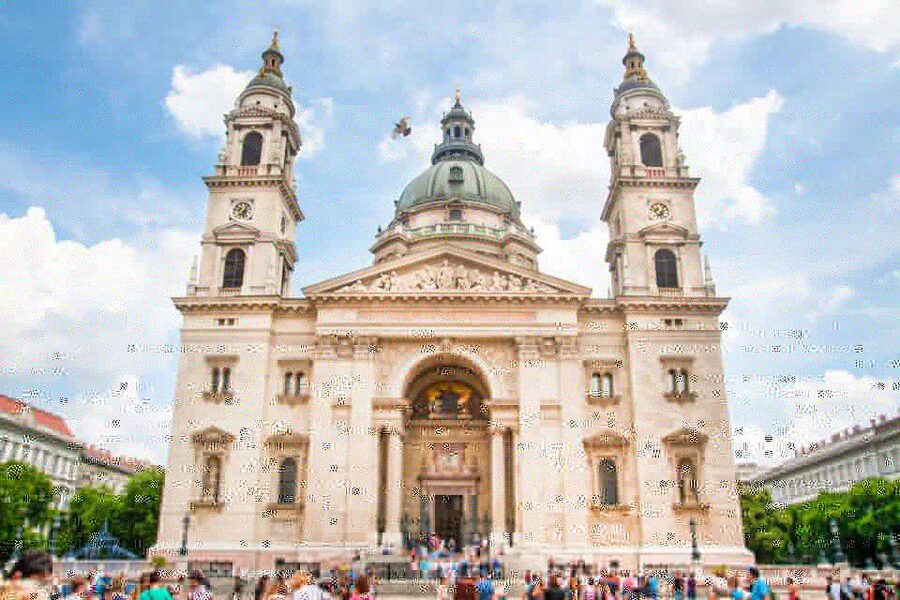
St Stephen’s Basilica gives you two very different Budapest experiences in one stop: a solemn church filled with gold, paintings, and relics, followed by a rooftop panorama over the city. The tour is especially good at connecting the building to Hungary’s conversion to Christianity and the long story of Saint Stephen, whose mummified right hand is kept here.
I like the skip-the-line entry, which matters when the basilica square is crowded. I also like the guides’ approach. Petra, Julia, Zsoka, Alexandra, and several others are praised for clear English, humor, patience, and the ability to explain details instead of simply naming them. The main drawback is price: at $21, the basic visit costs much more than entering on your own, and the dome and treasury may require a higher-priced option.
Key points to know before you book
- The Holy Right relic is the emotional center: See the naturally mummified hand of Saint Stephen, Hungary’s first king and Christian founder.
- The dome terrace changes the value of the tour: The extended or private option adds a 360-degree view across Budapest.
- The guides make the church easier to read: Expect stories about the artwork, Hungarian Christianity, Cardinal Mindszenty, and the building itself.
- The interior is far more elaborate than the exterior suggests: Look for gold decoration, frescoes, sculptures, and late nineteenth-century craftsmanship.
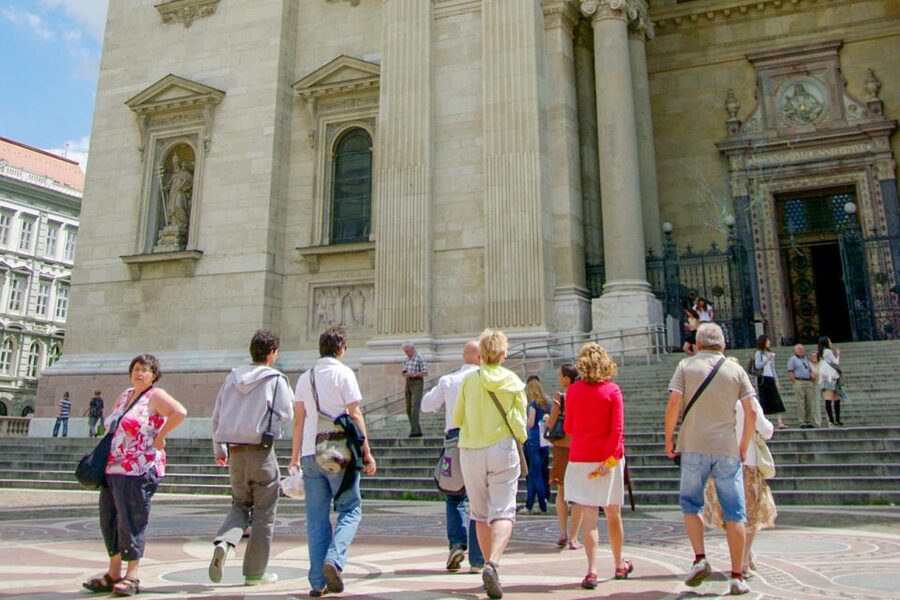
- The meeting point is easy to miss: Find the ticket office on the square, about 50 meters to the right of the basilica steps, beside Starbucks.
- Dress for a working church: No shorts or sleeveless tops, and men should remove their hats inside.
Why St Stephen’s Basilica is worth your time
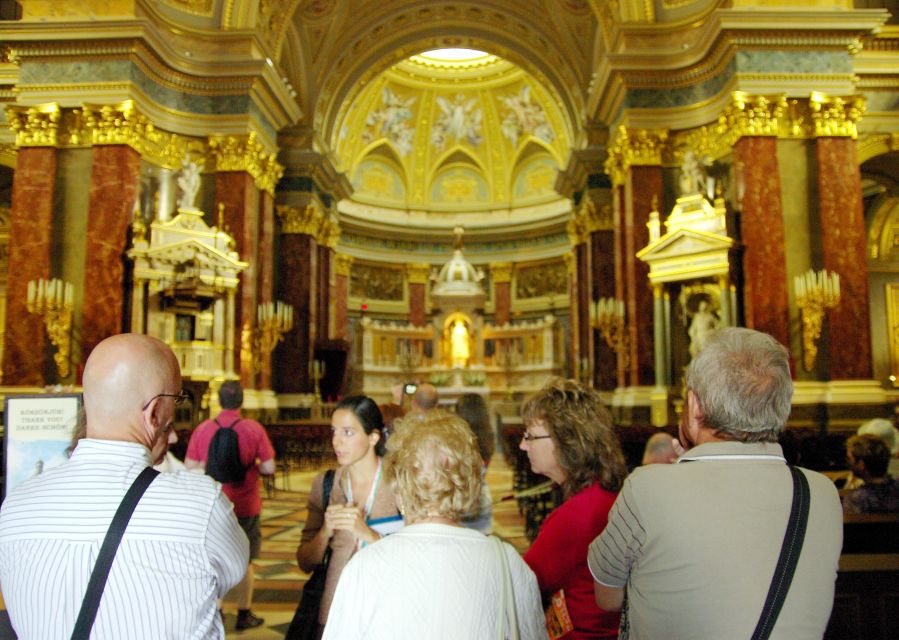
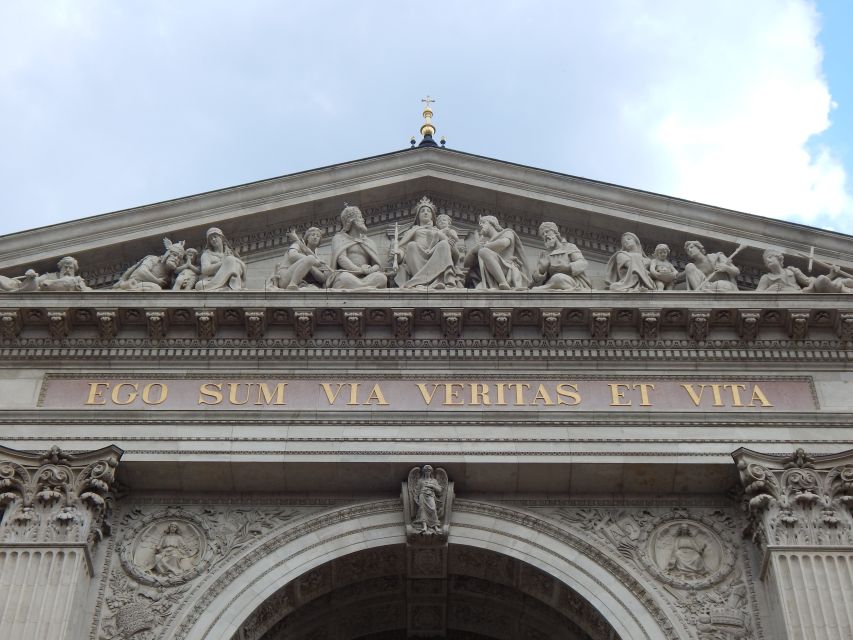
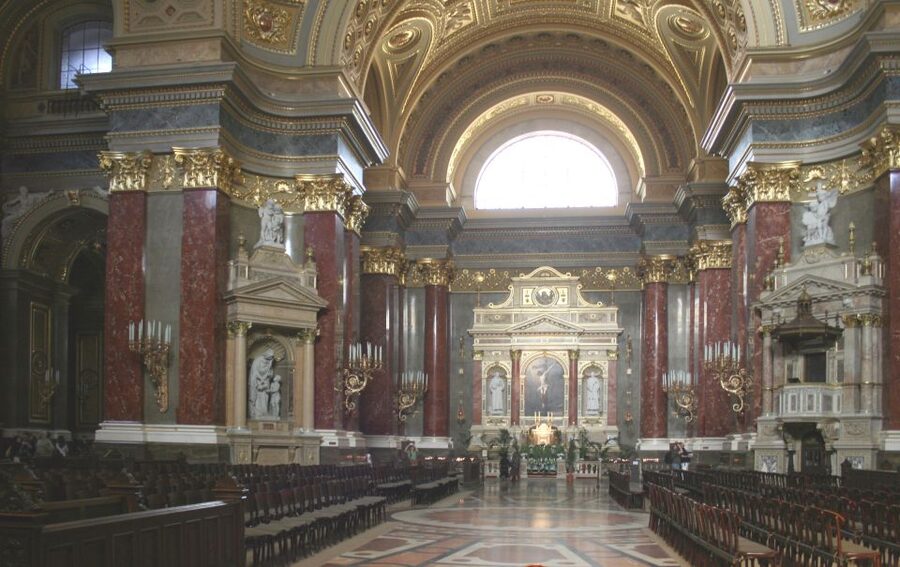
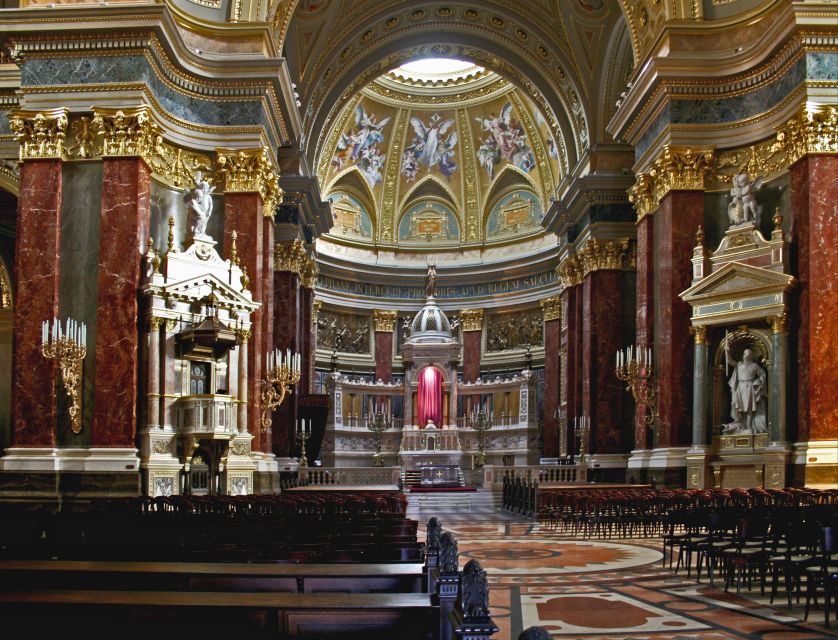
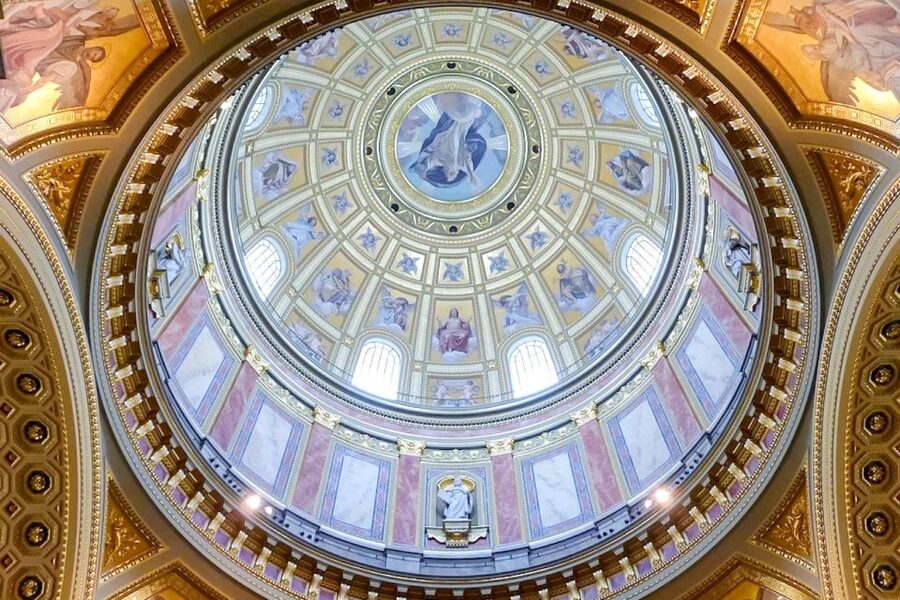
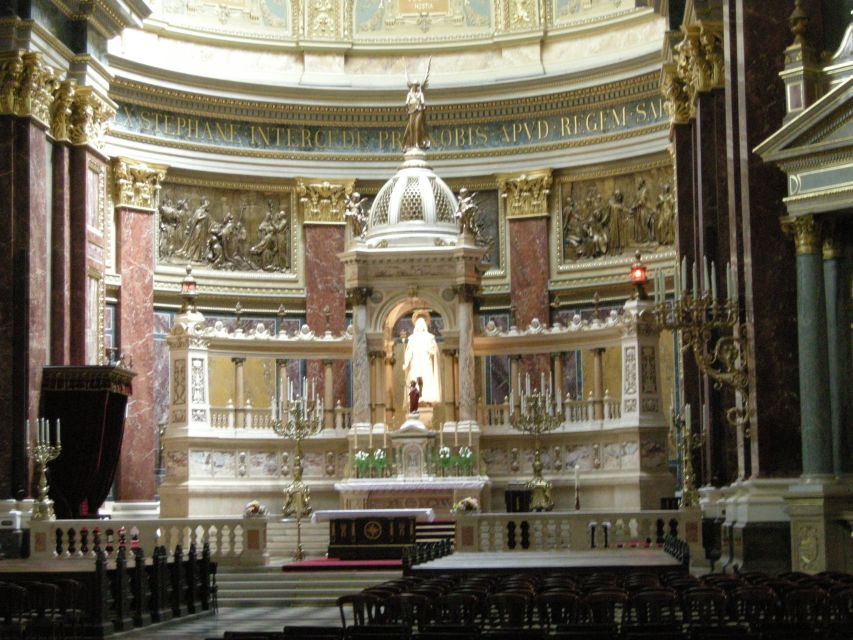
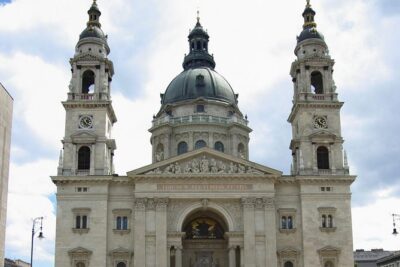
You can admire the basilica from the broad square without paying for a tour, but the exterior only tells part of the story. Inside, the building opens into a grand Neo-Renaissance space with a huge dome, bright gold decoration, frescoes, and sculpted details by major artists of the late nineteenth century.
I find this kind of church visit more rewarding with a guide because large European churches can blur into a parade of names and dates. Here, the guide gives you a thread to follow: Saint Stephen’s conversion of Hungary, the creation of a Christian kingdom, the role of the basilica today, and the political pressure placed on the Catholic Church during the Communist period.
The tour lasts about one to one and a half hours. That is long enough to see the main church without turning the visit into a lecture. Several guides, including Petra, Julia, Flora, and Zsoka, are praised for keeping a good pace and making room for questions.
The English-language commentary is a major part of what you are paying for. If you already know the basilica’s history and plan only to take a few photographs, the basic admission may be enough. If you want to understand why the relic matters or how the church fits into Hungarian history, the guided option earns its keep more easily.
More St Stephens Basilica visits:
- Budapest: St. Stephen’s Basilica Entry with Terrace Option
★ 4.5 · 6,399 reviews - Budapest: Buda Castle Walk with Saint Stephen’s Hall
★ 4.5 · 3,012 reviews - Budapest: Classical Music Concerts in St Stephen’s Basilica
★ 4.7 · 1,479 reviews
Meeting your guide beside Starbucks
Your meeting point is in front of the basilica ticket office, on the square about 50 meters to the right of the main steps. It is next to Starbucks, a useful landmark in a busy area.
Look for a guide holding a sign marked Guided Tour. If the ticket office is crowded, the guide may wait a few meters away near Starbucks rather than directly in the line. Arrive with enough time to locate the correct person, particularly if the square is full or several groups are forming.
The tour is offered in English, with private and small-group choices available. Group size affects the feel of the visit. A smaller group makes it easier to hear the guide and ask questions, while a private tour gives you more control over the pace and more direct attention.
The meeting arrangement is simple, but the ticket issue deserves care. Check the date, time, and number of participants before you leave for the basilica. One visitor booked the wrong day and was helped because the guide had room, but that kind of flexibility cannot be guaranteed.
Inside the basilica: gold, frescoes, and Saint Stephen
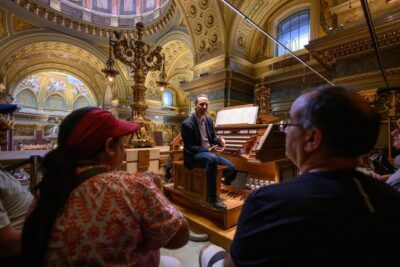
Once inside, take a moment to look upward. The basilica’s scale is easy to miss from the square, but the dome and interior decoration make the church feel much larger than its footprint suggests.
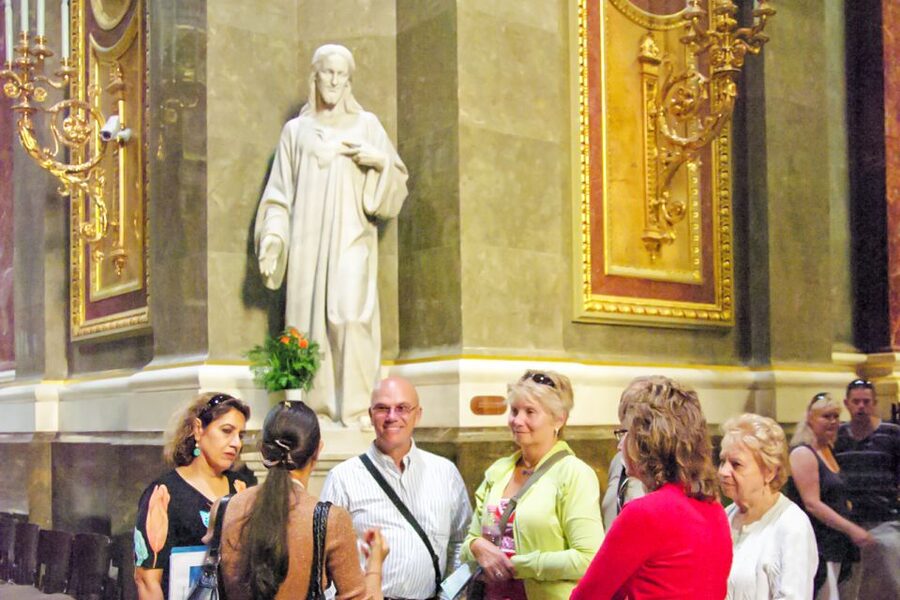
Your guide points out the gold surfaces, frescoes, sculptures, and architectural features that can be hard to interpret on your own. I like that the tour does not treat the decoration as a checklist. The best guides use the artwork to explain the religious ideas and national story behind the building.
The church is named for Saint Stephen, the first king of Hungary. He ruled in the eleventh century and helped convert Hungary to Christianity. His importance here is both religious and national, which explains why the basilica is one of Budapest’s most important Catholic sites.
The guide also places the church within Hungary’s roughly 1,000-year Christian story. That context makes the visit more meaningful than a quick look at a beautiful interior. You begin to see the basilica not only as a landmark, but also as a place tied to the formation of the Hungarian state.
Expect plenty of time for photographs, but remember that this remains a church. Eating, drinking, and smoking are forbidden in the church area, and your clothing should show respect for the setting. Shorts, short skirts, sleeveless shirts, and sleeveless tops are not allowed. Men should uncover their heads.
The Holy Right relic and the story of Hungary
The Holy Right is the basilica’s most unusual object. It is the naturally mummified right hand of Saint Stephen, preserved as a relic and connected to the country’s first Christian king.
You do not need to be Catholic to find this part of the visit interesting. The relic shows how religious devotion, royal power, and national identity can overlap. A guide can explain why Saint Stephen remains such a central figure and why his hand has such a strong place in Hungarian tradition.
This is also where the value of a guided visit becomes clearest. Without context, you might see a reliquary and move on. With an explanation, you understand the object’s connection to Saint Stephen’s rule and Hungary’s shift toward Christianity.
The guides are often praised for telling stories rather than reciting names. Alexandra, Petra, and Julia are among the guides singled out for making the history clear, friendly, and easy to follow. That style works well if you are visiting Budapest with family members of different ages or with people who do not usually enjoy formal church tours.
A few more Budapest half-days to weigh up
- Budapest: City Highlights Cruise with Welcome Drink
★ 4.6 · 35,610 reviews - Budapest: Unlimited Prosecco, Beer and Aperol Spritz Cruise
★ 4.8 · 25,310 reviews - Budapest: Széchenyi Spa Day Ticket with Optional Upgrades
★ 4.3 · 23,911 reviews - Budapest: Nighttime or Daytime Sightseeing Cruise
★ 4.2 · 21,062 reviews
The dome terrace: the best reason to choose the extended option
The basic tour covers the church. The extended option adds the dome terrace and treasury, and this is the version I would choose if your schedule and budget allow it.
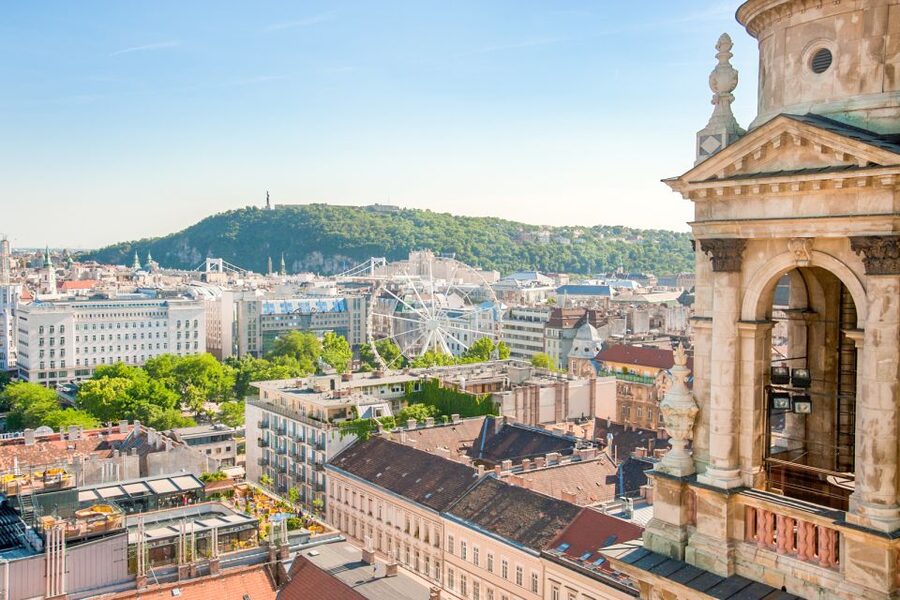
You reach the panoramic terrace by elevator, with a second elevator higher in the building. From the terrace, you get a 360-degree view over Budapest. The lookout gives you a useful sense of the city’s scale and layout, rather than only another close view of rooftops.
The panorama is particularly worthwhile because you are looking out from one of the city’s central landmarks. The view can also change with the season. One December visit offered a clear look toward the Christmas market below, adding a festive scene to the city panorama.
There is one practical catch. If the smaller upper elevator has a long wait, you can climb about 200 steps instead. That is not an extreme climb for many people, but it does require reasonable stamina and comfortable shoes. One visitor in their mid-sixties found the climb manageable, though your experience will depend on your fitness and the conditions on the day.
The terrace is not simply an add-on for photographers. It helps you understand Budapest geographically. After seeing the city from above, the basilica’s central location and imposing scale make more sense.
The treasury and the Southern Tower
The extended route also includes the treasury and basilica exhibition in the Southern Tower. You climb a few steps inside the tower and see liturgical objects, artworks, and other items linked to the church.
A replica of the crown worn by Hungary’s kings is one of the notable displays. It is not the original crown, but it helps connect the basilica to Hungary’s royal past and gives the church visit a broader historical frame.
The treasury is smaller and more specialized than the main church. If you only want the big interior and city view, you may not care as much about the objects on display. If you like religious art, royal symbols, and the material side of worship, the treasury adds useful depth.
The private option includes guided access to the panoramic terrace and treasury. That can be a good choice for a family or small party that wants to ask many questions or move at a slower pace. A private tour costs more, so I would reserve it for people who value personal attention rather than simply seeking the lowest price.
Cardinal Mindszenty and the modern story
The basilica’s story does not end with Saint Stephen or the nineteenth-century building. The tour also covers Cardinal Mindszenty, a leading Catholic figure during the 1950s and 1960s who was tortured and imprisoned by Hungary’s Communist regime.
This part gives the church a modern political dimension. You are not only looking at old architecture and medieval religious tradition. You are also hearing how the Catholic Church faced pressure, punishment, and restricted power under Communism.
That connection is important for understanding Hungary beyond its famous buildings. A good guide uses the basilica to introduce themes that appear elsewhere in Budapest, including the relationship between religion, national identity, and twentieth-century politics.
Is the $21 price fair?
At $21 per person, the tour is reasonably priced if you want guided interpretation and time-saving entry. It is less attractive if you only want to step inside, take photographs, and leave.
The strongest value comes from three things:
- Skip-the-line access when the basilica is busy
- An English-speaking guide who explains the art and history
- The chance to combine the church with the relic and, in the extended version, the dome and treasury
The price becomes harder to justify if the basic option excludes the terrace and you hoped to see Budapest from above. Check the exact option description before booking. One visitor felt the guided ticket cost several times more than buying admission alone, while another found the extra explanation made the visit far more rewarding.
I would think of the tour as a time-saving history lesson, not just an entrance ticket. If you are short on time in central Budapest, that distinction matters. If you are comfortable reading information panels and exploring quietly by yourself, you may prefer independent admission.
Who will enjoy this tour most?
I would recommend the guided visit to you if you want to understand what you are seeing rather than simply admire the decoration. It is also a good fit for first-time visitors who want a compact introduction to Hungarian religious and political history.
Families can benefit from the storytelling approach, especially when children or teenagers need more than architectural terms to stay interested. The guides are also described as patient with questions and able to keep the material engaging for mixed-age groups.
The extended option suits photographers, first-time visitors who want a city view, and anyone who likes seeing a landmark from both inside and above. The private version makes the most sense for a couple, family, or small group that values a slower, more personal visit.
You may want to skip it if you dislike guided tours, have very limited mobility, or only have time for a quick exterior photograph. The site is not listed as suitable for wheelchair users, and the dome route involves elevators plus possible stairs. Check the specific option details carefully if you have limited mobility, since accessibility can vary by tour choice.
Practical tips for a smoother visit
Wear clothes suitable for a Catholic church. Avoid shorts and sleeveless tops, and men should remove hats. These rules are not minor details because you may be refused entry if your clothing is not appropriate.
Plan for about 1 to 1.5 hours. Add extra time if you choose the dome and treasury, particularly if there is a wait for the upper elevator or you decide to use the stairs.
Keep your phone ready for the meeting instructions and confirm your booking date. Find the Starbucks landmark first, then look for the guide’s sign near the ticket office.
Do not expect the same guide every time. Names praised for clear English and engaging explanations include Petra, Julia, Zsoka, Alexandra, Flora, Noemi, Naomi, Sara, and Z. The consistent pattern is a friendly, story-based approach, but individual style can vary.
The basilica may close for special occasions, including wedding ceremonies. Check availability before setting your day around the visit.
Should you book St Stephen’s Basilica Tour?
Book it if you want the basilica to make sense, not just look pretty. The church interior, Holy Right relic, Saint Stephen’s story, and Cardinal Mindszenty’s experience give the visit more weight than a quick self-guided stop.
Choose the extended option if the Budapest panorama matters to you. The 360-degree dome view is the strongest extra, and the treasury adds a worthwhile collection of religious and royal objects. Choose private only if personal attention and flexible pacing justify the higher cost.
Skip the tour if you are watching every dollar, dislike guides, or only want a brief look inside. For most first-time visitors, though, the guided format is a practical way to see one of Budapest’s major churches and understand why it matters.
FAQ
How long does the St Stephen’s Basilica tour last?
The tour lasts about 1 to 1.5 hours. Starting times vary, so check availability when booking.
What is the price?
The listed price is $21 per person. The cost may differ depending on the selected tour option, especially if you choose an extended or private visit.
Is skip-the-line entry included?
Yes. The tour includes skip-the-line entry to the basilica.
What does the basic tour include?
The basic tour includes guided entry to St Stephen’s Basilica, with commentary about its history, architecture, artwork, and relics.
Does the tour include the dome terrace?
The panoramic terrace is included only with the extended tour option. The private option also includes guided access to the terrace.
Does the tour include the treasury?
The treasury and basilica exhibition are included with the extended option. The private option includes a guided visit to them.
What can you see in the treasury?
The treasury contains liturgical objects and artworks. It also includes a replica of the crown worn by Hungary’s kings.
How do I find the meeting point?
Meet your guide in front of the basilica ticket office, on the square about 50 meters to the right of the basilica steps, next to Starbucks. Look for the guide holding a sign marked Guided Tour.
What should I wear?
Wear appropriate church clothing. Shorts, short skirts, sleeveless shirts, and sleeveless tops are not allowed. Men should uncover their heads.
Is the tour wheelchair accessible?
The activity is listed as not suitable for wheelchair users. The tour information also advises checking the individual option description because mobility access can vary.
Recently added around Budapest
- Budapest: Private Walking Tour with a Local Guide★ 3.6 · 6 reviews
- From Budapest: Guided Tour of Eger with Wine Tasting★ 4.5 · 6 reviews
- Budapest: City Bike Tour with Coffee Stop★ 5.0 · 37 reviews
- Budapest: Danube River Views Bike Ride★ 4.8 · 23 reviews
- Budapest: Vacation Photographer to collect great memories★ 5.0 · 49 reviews
- Walk to recent and aged spiritual sanctuaries near Budapest★ 5.0 · 5 reviews
- Trash Art Museum: Hungary’s First Scrap Metal Exhibition★ 4.3 · 72 reviews
- Budapest: Multilingual Highlights Tour★ 4.8 · 89 reviews
St Stephens Basilica Tours, compared.
St. Stephen’s Basilica Entry with Terrace Option
Read our review →
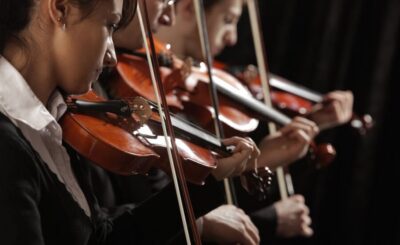
Classical Music Concerts in St Stephen’s Basilica
Read our review →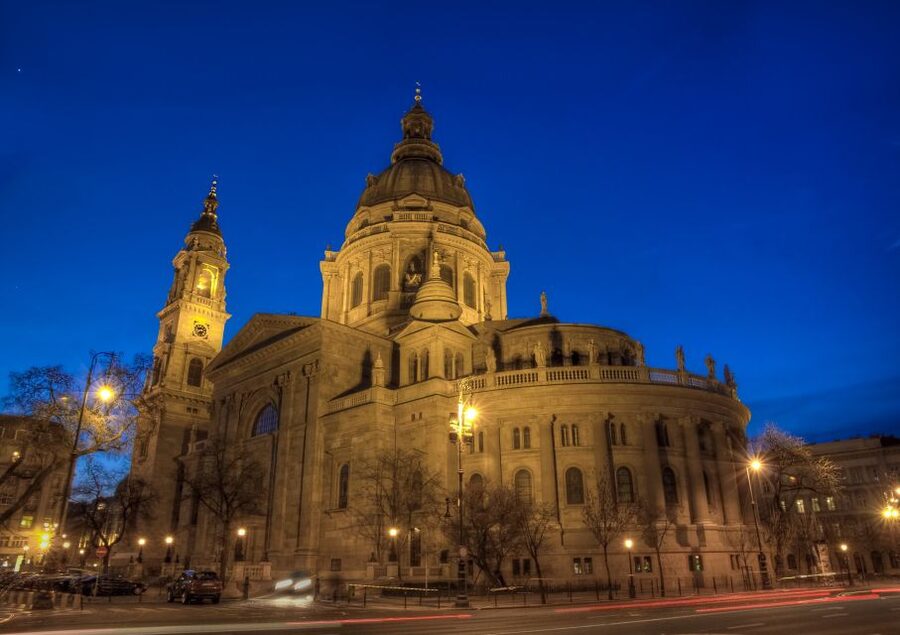
St.Stephen’s Basilica Grand Organ Concert Tickets
Read our review →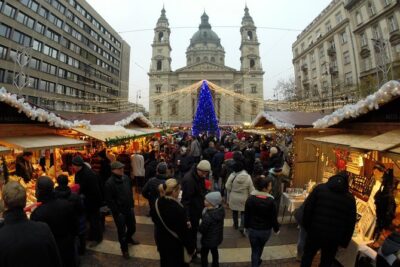
Budapest Christmas Walking Tour & Entry to St Stephen’s Basilica
Read our review →Browse the lists this tour appears in