
Reviewed · FOOD & DRINK
Budapest: Wine, Cheese, and Charcuterie Tasting
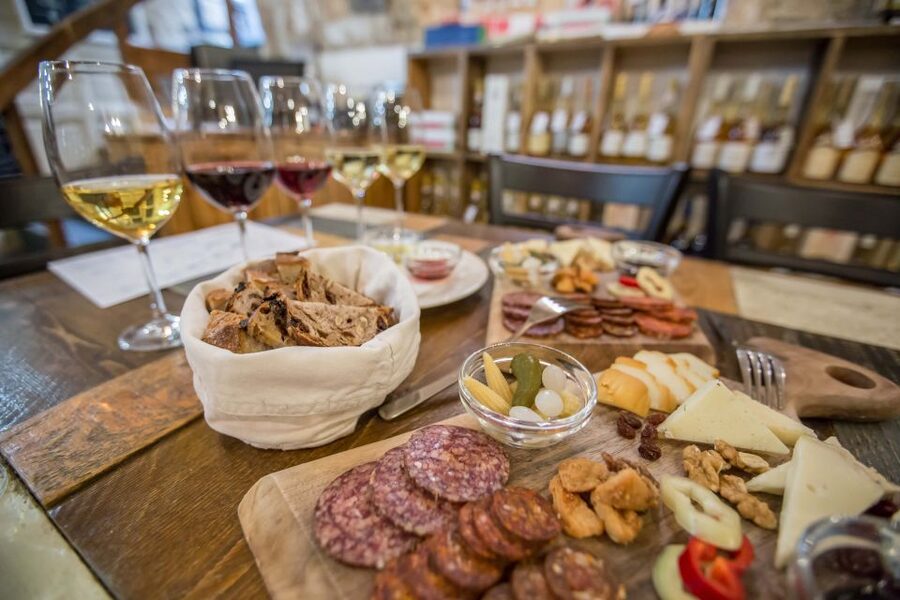
Hungary’s wine story is much bigger than Tokaj, and this 90-minute tasting gives you a lively introduction to it. You’ll try five Hungarian wines, moving through regional styles and grape varieties before finishing with a sweet Tokaj wine. Alongside the glasses come artisan cheese, bread, oils, and unusual local meats such as Mangalica pork sausage and water buffalo salami.
I like the clear regional focus and the way each wine is paired with food rather than served as a string of unrelated samples. I also like the relaxed teaching style. Guides including Thomas, John, Bence, Sam, and Jon have been praised for making the facts easy to follow, even if you are not a serious wine drinker. The main consideration is timing: sessions are generally offered from 3:00PM to 5:00PM, so this works best as an afternoon plan rather than a late-night stop.
Key points at a glance
- Five Hungarian wines: Expect a broad introduction to the country’s major regions, grape varieties, and styles.
- Tokaj finale: The last glass is a sweet wine from Tokaj, one of Hungary’s most important wine traditions.
- Local food pairings: Sample artisan cheese, Mangalica sausage, water buffalo salami, smoked duck breast, and grey beef sausage.
- Historic cellar setting: The tasting room is in central Budapest, close to the National Museum and public transport.
- English-speaking sommelier: Thomas, John, Bence, Sam, Jon, and other hosts have led sessions with an easy, humorous teaching style.
- Good value for wine-curious visitors: At $50 per person, the price includes five wines, a full food board, bread, artisan oils, tasting sheets, and a wine-region map.
Why Hungarian wine deserves an afternoon
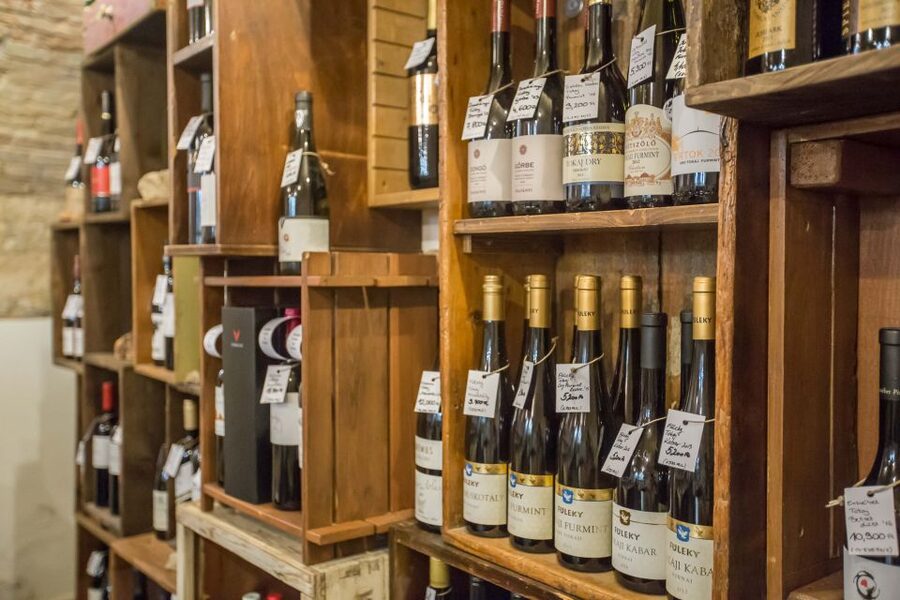
Hungarian wine can be hard to understand from a restaurant list alone. The names may be unfamiliar, and the country’s wine regions do not always get the attention given to France, Italy, or Spain. This tasting gives you a useful framework before you encounter those bottles again.
The session covers Hungary’s wine history, major wine areas, important grape varieties, local styles, and newer developments. That sounds formal on paper, but the hosts keep the talk conversational. Thomas, John, Bence, Sam, and Jon have all been noted for explaining the wines clearly without turning the afternoon into a technical lecture.
I especially like this approach for anyone who knows the usual European wine names but has little experience with Hungary. You are not simply told that a wine is good. You are shown how the glass fits into the wider story of Hungarian winemaking.
The emphasis on native Hungarian varieties is another strength. You may taste grapes and styles you have never encountered before, which is more useful than sampling five familiar international varieties you can buy at home. The point is discovery, but the presentation remains friendly rather than intimidating.
More cheese and charcuterie tastings in Budapest:
- Hungarian Wine Tasting (with Cheese and Charcuterie) in Budapest
★ 5.0 · 531 reviews - Evening Wine, Cheese, & Charcuterie Tasting in Budapest
★ 5.0 · 121 reviews - Budapest Private Tuk Tuk Tour with Wine Tasting and Cheese Platter
★ 4.5 · 35 reviews
Arriving at The Tasting Table Budapest
The meeting point is The Tasting Table Budapest at Bródy Sándor utca 9 in District VIII. It sits only about 150 meters from the National Museum, making it easy to combine with a museum visit or a walk through the central Pest side of town.
You can reach it in roughly five minutes from either Astoria on metro line M2 or Kálvin tér on metro line M3. Trams 47 and 49 also stop at Astoria and Kálvin tér. That central location matters because you do not need to spend part of your afternoon crossing Budapest for a specialist tasting.
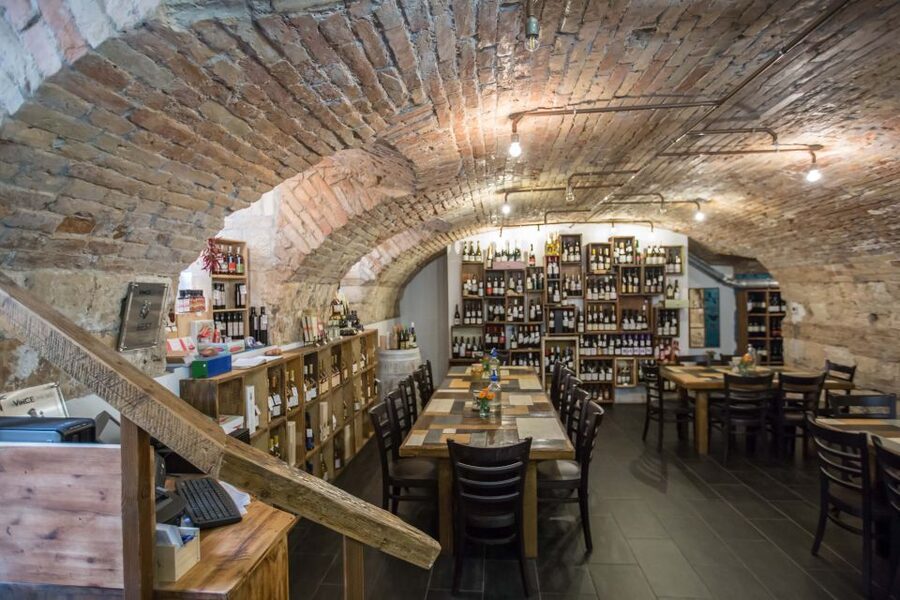
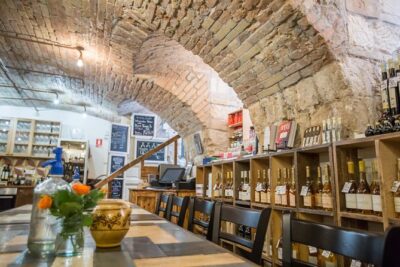
The venue is described as a cozy old cellar with brick arches. That setting gives the tasting some character without requiring a trip out to a rural vineyard. You get the atmosphere of a traditional wine room while staying in the city center.
One practical point: the entrance can be easy to miss if you are simply passing by. Give yourself a few extra minutes to find Bródy Sándor utca 9, especially if you are arriving from the National Museum.
Five glasses that tell a national story
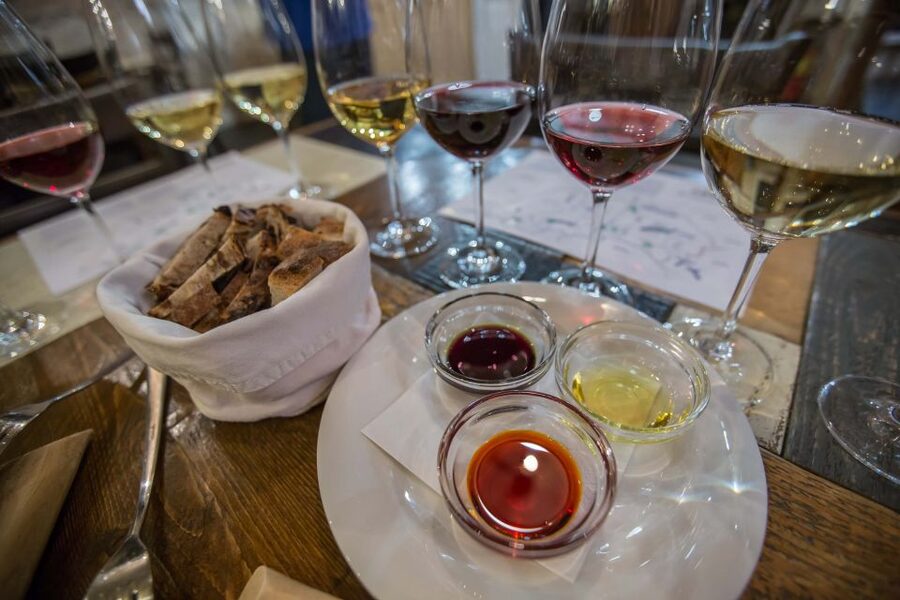
The tasting moves through five wines selected to show the range of Hungarian production. You should expect a mixture of white, red, and sweet wine styles, with one session specifically described as two whites, two reds, and a dessert wine.
That balance works well. It prevents the tasting from becoming a parade of similar glasses, and it lets you compare the different ways Hungarian wine can taste. The first four wines introduce the country’s broader styles, while the final glass gives Tokaj its proper place.
The host explains where the wine comes from, which grapes are involved, and what makes the style distinctive. You receive tasting sheets and a map of Hungary’s wine regions, so you can note the wines you prefer and remember the names later.
I recommend using those sheets. Hungarian wine names are not always easy to recall after five glasses, particularly when you find a bottle you want to seek out later. The notes also help you connect the wine in your glass to the region on the map.
The session is not designed as an advanced certification class. If you want technical detail about soil, fermentation, or vintage variation, you may wish for more depth. For most visitors, though, the amount of information hits the right mark: enough to make the wines meaningful, not so much that the food and conversation disappear.
The Tokaj finale
The final wine is a sweet wine from Tokaj. This is an important part of the tasting because Tokaj is central to Hungary’s place in the wine world.
Sweet wines can divide a group. Some people love them, while others prefer dry whites or reds. Here, the sweet wine provides a clear change of pace and gives you a chance to understand why Tokaj matters. It also makes the five-glass sequence feel more like a story, with a distinct finish rather than a final sample that blends into the rest.
If you already know Tokaj, this may be the familiar part of the tasting. If you do not, it is a worthwhile introduction. The sommelier explains the style in the context of Hungary’s wine regions, so you learn more than simply whether you like sweet wine.
Do not expect every bottle to suit your taste. That is part of the value of a guided tasting. You can identify the styles you enjoy, ask questions, and leave with a better sense of what to order during the rest of your Budapest visit.
More food and drink experiences in Budapest:
- Budapest: Unlimited Prosecco, Beer and Aperol Spritz Cruise
★ 4.8 · 25,310 reviews - Budapest: Unlimited Prosecco, Beer & Aperol Spritz Cruise
★ 4.5 · 3,371 reviews - From Budapest: Etyek Wine Tasting Tour with 3-Course Meal
★ 4.8 · 557 reviews - Budapest: Guided Foodie Walking Tour with Food and Drinks
★ 4.9 · 453 reviews
Food pairings beyond ordinary cheese and salami
The food is more interesting than a standard plate of supermarket cheese. The selection is sourced from producers and may include Mangalica pork sausages, free-range water buffalo salami, smoked duck breast, grey beef sausage, and several types of cheese.
Mangalica is especially associated with Hungary, so it adds a local touch that a generic cured meat board would miss. The water buffalo salami and grey beef sausage also give you tastes you are unlikely to encounter on a routine European wine tour.
Each wine is paired with food to show how the flavors work together. This makes the tasting easier for beginners because you can judge the wine alongside something familiar to eat. It also gives experienced drinkers a reason to pay attention beyond the label.
Bread and artisan oils round out the table. One oil, pumpkin oil, has been singled out as a pleasant surprise. Bread, oil, and water are kept available during the session, which helps make the tasting feel like a light meal rather than five isolated drinks.
Vegetarians can still take part, though the board naturally gives a lot of space to charcuterie. Cheese, bread, and oil provide alternatives, but this is not a vegetarian-focused menu. If you do not eat meat, you should be prepared for the food selection to be more limited than it is for meat eaters.
The portions have been described as plentiful, though the official package is a tasting board rather than a full dinner. I would plan a later meal if you need a substantial evening supper.
A sommelier-led lesson without the lecture hall
The strongest part of the session is the host. The exact sommelier may vary, but names that have appeared in connection with the experience include Thomas, John, Bence, Sam, Jon, and other English-speaking guides.
Their shared role is to keep the group moving while leaving room for questions. Thomas has been praised for explaining Hungarian wine history with humor, while Bence and Sam have been noted for their friendly presentation. John and Jon are also described as engaging and clear.
That personal style matters. Wine tastings can become stiff when the guide assumes everyone knows how to talk about wine. Here, the tone is intended to suit both curious beginners and people who already order wine with confidence.
You do not need to know how to swirl a glass or describe fruit aromas before arriving. The useful question is simple: what do you like, and why? A good host can help you put that into words without making you feel tested.
The group setting adds another pleasant feature. You sit around a table with people from different countries, sharing food and comparing reactions to the wines. The social side is not the main reason to book, but it can turn the session into one of the more relaxed ways to meet other people in Budapest.
What the $50 price really covers
At $50 per person, this is not the cheapest way to drink wine in Budapest. You could buy a bottle for less, especially if your only goal is alcohol. That misses the point, though.
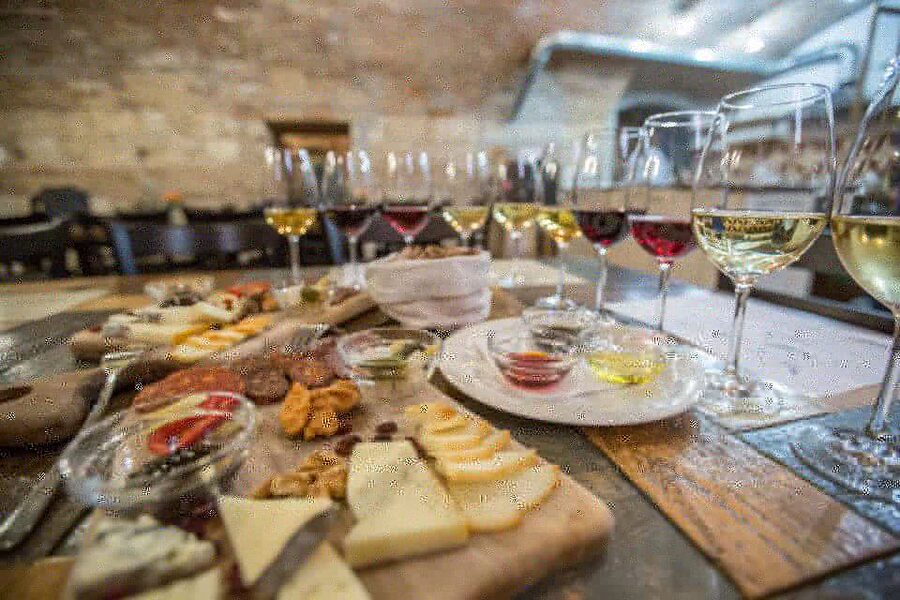
The price includes five Hungarian wines, a cheese and charcuterie plate, bread, artisan oil, a sommelier-led explanation, tasting sheets, and a map of the wine regions. You are paying for guided comparison and local context, not just the liquid in the glasses.
Several practical details improve the value. The food is substantial enough to accompany the wine, the wines cover several styles, and the guide helps you understand what you are tasting. You may also find bottles you want to buy afterward, either at the venue or elsewhere in Budapest.
Some people have purchased a favorite wine after the tasting. That is useful because you can make the choice after trying it rather than guessing from an unfamiliar Hungarian label. There is no stated pressure to buy, so treat any purchase as optional.
For a visitor who wants a polished introduction to Hungarian wine without leaving central Budapest, I consider $50 fair. It is less compelling if you already know Hungarian wine well or mainly want a quiet drink with no instruction.
Who will enjoy this most
I would recommend the tasting to:
- Couples looking for a relaxed afternoon activity
- First-time visitors who want a local food and drink experience
- Wine drinkers interested in lesser-known European regions
- Beginners who want guidance without a formal class
- People who enjoy cheese, cured meat, and small producer foods
- Visitors staying near the National Museum, Astoria, or Kálvin tér
You do not need to be a wine expert. Several sessions have worked well for people who do not usually drink much wine, because the host explains the basics and keeps the mood light.
The experience is less suitable for children, since the legal drinking age is 18 and anyone attending must be at least 18. It may also be a poor match for someone who dislikes sweet wine, red wine, or cured meats, though the five styles provide some variety.
Timing, booking, and small practical details
The tasting lasts about an hour and a half. Sessions are generally available on most days between 3:00PM and 5:00PM, so check the exact start time before building the rest of your day around it.
The activity is conducted in English. Confirmation is provided when you book, and you can reserve now and pay later. Cancellation is free up to 24 hours before the start time, which is useful if your Budapest plans are still shifting.
A minimum of two people applies. If the minimum is not reached, the session can be canceled after confirmation, with an alternative or full refund offered. That is worth keeping in mind if you are planning a solo visit.
The package includes five glasses and the food listed above, but additional food or drinks are not included. I would not treat the tasting as a full evening meal unless you normally eat lightly.
Should you book the Budapest wine tasting?
I would book this if you want to understand Hungarian wine rather than simply drink it. The combination of five regional styles, a Tokaj sweet wine, unusual local charcuterie, and a personable sommelier gives you a useful first look at a part of Hungary that many visitors overlook.
The best reason to go is the teaching style. Guides such as Thomas, John, Bence, Sam, and Jon make the material approachable, and the relaxed cellar setting keeps the session from feeling like school.
Skip it if you want a late-night activity, a full dinner, or a tasting devoted only to dry wine. Otherwise, $50 buys a well-rounded afternoon close to major sights and transport links. I would schedule it after a museum visit and before dinner, then keep your tasting sheet handy when you order Hungarian wine for the rest of your trip.
FAQ
How long does the Budapest wine tasting last?
The tasting lasts 1.5 hours.
How many Hungarian wines are included?
Five glasses of Hungarian wine are included.
Is Tokaj wine part of the tasting?
Yes. The final wine is a sweet wine from Tokaj.
What food is included?
You receive a local cheese and charcuterie plate, plus bread and artisan oil.
What kinds of meat might be served?
The selection may include Mangalica pork sausage, free-range water buffalo salami, smoked duck breast, and grey beef sausage.
Is the tasting held in English?
Yes. The live tour guide speaks English.
Where is the meeting point?
The meeting point is The Tasting Table Budapest, Bródy Sándor utca 9, 1088 Budapest, in District VIII.
How close is the venue to public transport?
The tasting room is about a five-minute walk from Astoria on metro line M2 and Kálvin tér on metro line M3. Trams 47 and 49 also stop at those locations.
Can people under 18 attend?
No. The activity is not suitable for children under 18, and Hungary’s legal drinking age is 18.
Can I cancel the booking?
Yes. You can cancel up to 24 hours in advance for a full refund.
Recently added around Budapest
- Budapest: Private Walking Tour with a Local Guide★ 3.6 · 6 reviews
- From Budapest: Guided Tour of Eger with Wine Tasting★ 4.5 · 6 reviews
- Budapest: City Bike Tour with Coffee Stop★ 5.0 · 37 reviews
- Budapest: Danube River Views Bike Ride★ 4.8 · 23 reviews
- Budapest: Vacation Photographer to collect great memories★ 5.0 · 49 reviews
- Walk to recent and aged spiritual sanctuaries near Budapest★ 5.0 · 5 reviews
- Budapest: Multilingual Highlights Tour★ 4.8 · 89 reviews
- True Crime Walking Tour in the Buda Castle district★ 5.0 · 26 reviews
Food & Drink, compared.
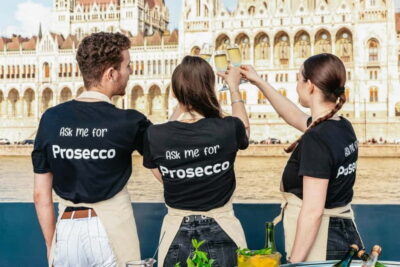
Unlimited Prosecco, Beer and Aperol Spritz Cruise
Read our review →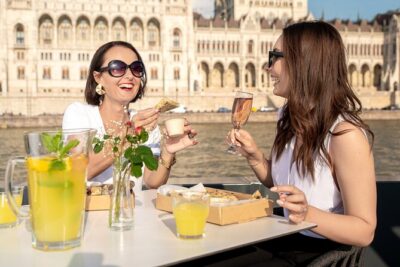
Unlimited Prosecco, Beer & Aperol Spritz Cruise
Read our review →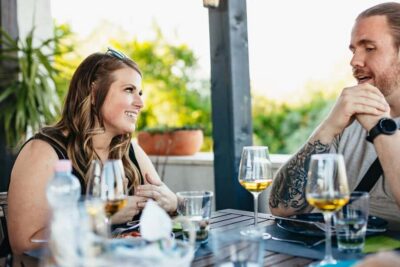
Hungarian Wine Tasting (with Cheese and Charcuterie) in Budapest
Read our review →
Guided Foodie Walking Tour with Food and Drinks
Read our review →
Budapest Food Tour: Market to Tavern with 14+ Tasters & Wines
Read our review →
Budapest BeerSpa with Unlimited Beer and Optional Széchenyi Bath
Read our review →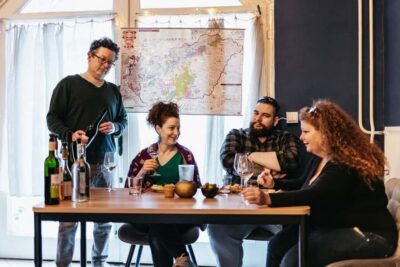
Browse the lists this tour appears in