Reviewed · TOURS
From Budpaest: Páty Wine Village Tour with Tastings
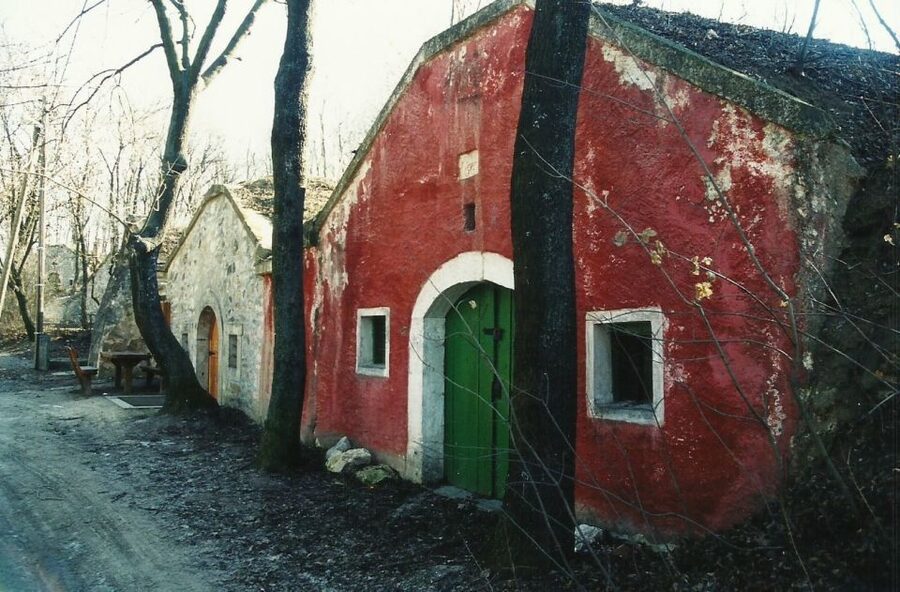
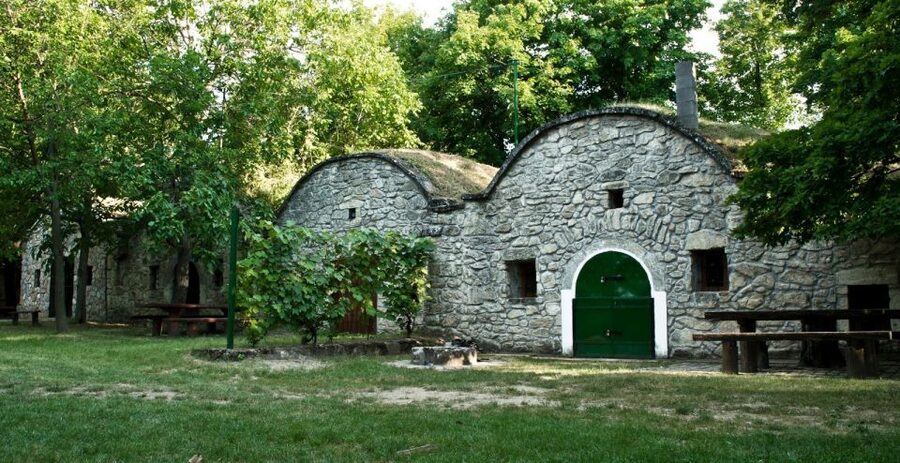
Páty’s wine cellars are the real surprise here. Cut into the hillside and dating as far back as 1880, they look more like small Hobbit homes than polished tasting rooms. I like the short trip from Budapest and the chance to meet people who still make wine on a modest local scale. I also like Miki’s relaxed, wide-ranging approach, which connects each glass with Hungarian wine traditions and everyday life.
The main thing to consider is the tour’s informal nature. This is not a grand vineyard estate with a restaurant, gift shop, and row of spotless barrels. You may visit one or two small cellars, and the schedule can run beyond three hours, especially when Budapest traffic slows the return.
Key things to know before booking
- The cellars are the star: Páty’s old wine caves have a fairy-tale look found in this particular area.
- Miki leads the experience: He brings strong knowledge of Hungarian wine, wine production, and the country’s past.
- You taste at least four wines per cellar: Visiting two locations can mean roughly eight wines, with some poured straight from the barrel.
- The food is local and filling: Expect regional ham, sausage, cheeses, olives, and other small bites from local producers.
- The group stays small: Places are limited to eight people, which gives you time to ask questions.
- Leave room in your schedule: The advertised length is three hours, but the return can take longer in traffic.
Why Páty is worth leaving Budapest for
Budapest has plenty of wine bars, but the Páty trip gives you something the city cannot: a look at wine making in a village where the cellars themselves are part of the story. Páty is only about a 20-minute drive from the city in normal conditions, though some accounts describe the journey as closer to 30 minutes. Either way, this is an easy half-day outing rather than a major expedition.
The setting changes quickly. You leave the central streets and head toward a quieter place of woods, vineyards, and small producer cellars. One of the pleasures is simply seeing a piece of Hungary that is easy to miss if your entire visit stays within Budapest.
Páty’s wine culture is based around distinctive cellar buildings, many dating from the late 19th century. They are not the usual underground rooms beneath a large winery. Their rounded, earth-covered forms give the area an unusual look, and the tree-lined setting adds to the sense that you have stepped somewhere separate from the capital.
I would not book this only for scenery. The views are a bonus. The real value comes from combining the setting with personal contact, local wine, and a guide who can explain what you are seeing.
A few more Budapest half-days to weigh up
- Budapest: City Highlights Cruise with Welcome Drink
★ 4.6 · 35,610 reviews - Budapest: Unlimited Prosecco, Beer and Aperol Spritz Cruise
★ 4.8 · 25,310 reviews - Budapest: Széchenyi Spa Day Ticket with Optional Upgrades
★ 4.3 · 23,911 reviews
The ride from central Budapest
Pickup takes place outside The Al Habtoor Palace Budapest at Erzsébet tér 9-10. You should arrive about 10 minutes before the start time. Round-trip transport is included, so you do not need to work out a taxi, train, or bus connection to Páty.
The drive also gives Miki time to set the scene. He introduces Hungary’s long wine tradition and explains that the country has far more to offer than Tokaji. That is useful context, especially if Hungarian wine is new to you.
The group is limited to eight people. That matters here because small cellars and personal tastings work better with a compact group. You can ask about grape varieties, production methods, food pairings, and the local area without trying to speak over a coach party.
Miki is often praised for making the discussion feel casual rather than academic. He has worked as a wine judge and writes about wine, and he also runs the Wine the Gap wine bar in Budapest. You do not need expert knowledge to follow the tasting. His explanations are designed to bring beginners into the conversation while giving more serious wine drinkers something to think about.
Inside Páty’s old cellar burrows
The first major stop is the village wine area, where you may visit one or two local wineries. The precise mix can vary, but the focus stays on small-scale production and direct contact with the makers.
The cellars can feel like a step back in time. Their unusual shape and location make them memorable before the tasting even begins. This is one of the rare wine outings where the architecture is almost as interesting as the bottle.
You may meet a producer who works on a very small scale. One producer described in the experience makes only around 1,000 bottles a year. That gives the tasting a very different feel from a commercial winery pouring a large export range.
Some cellar owners may not speak English, so Miki helps with translation and explanation when needed. That is not a flaw, but it is worth understanding before you book. The direct connection is more important than a polished presentation, and communication can happen through Miki, gestures, and the shared pleasure of tasting the wine.
One cellar is known for organic wines. At the other end of the scale, you may taste bottles from award-winning Hungarian producers and wines from other parts of the country. The tour is not limited to one vineyard’s output, which gives you a broader picture of Hungary’s wine regions.
Four wines per cellar, and sometimes eight
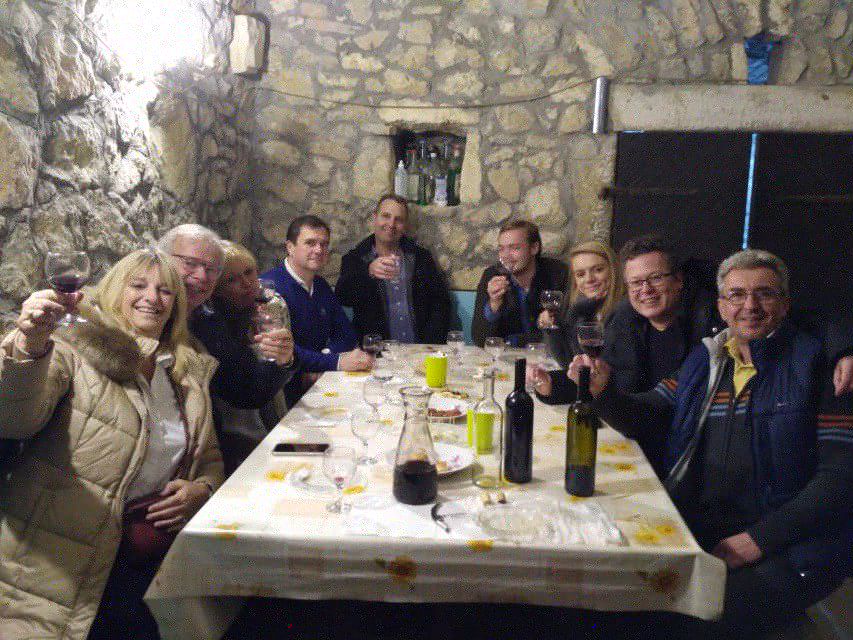
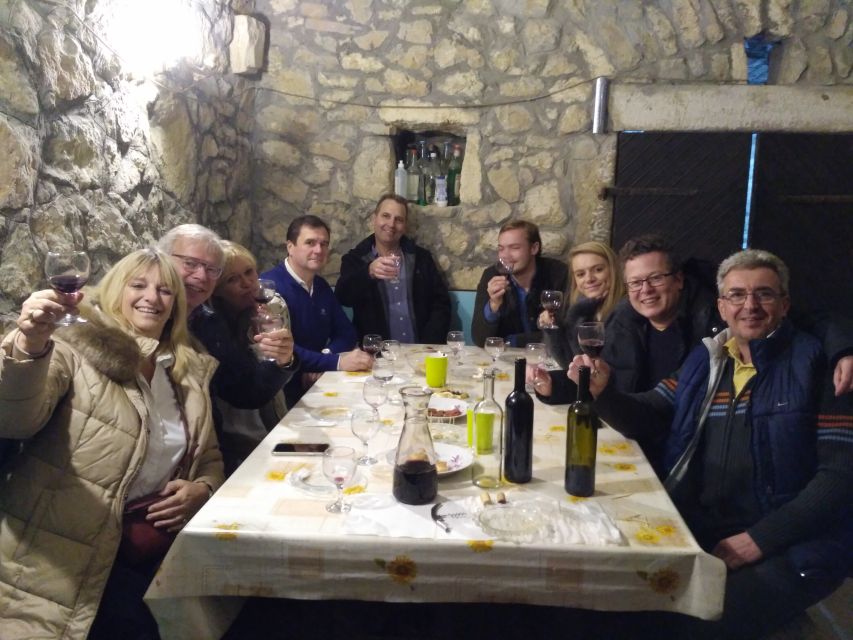
At each cellar, you taste at least four different wines. If the route includes two locations, you may taste around eight wines in total. The selection can include homemade wines, local pours, and bottles from better-known Hungarian producers.
The format is interactive. You are encouraged to ask questions rather than simply hold a glass while someone recites tasting notes. Miki discusses how the wines are made, what gives them their character, and how they can work with food.
A particularly enjoyable detail is the possibility of tasting wine straight from the barrel. That makes the cellar feel like a working place rather than a set prepared for visitors. You may also have a chance to pour from a bottle yourself at the end, although additional bottles purchased to take home cost extra.
Do not expect every wine to suit your taste. That is part of the point. A good tasting should show range, and Hungary offers more variety than many first-time visitors expect. Several wines are described as homemade or small-production, so the experience is best approached with curiosity rather than the expectation of a uniform professional tasting menu.
The rosé has been a particular surprise for some people who normally do not choose rosé. That is a useful reminder to keep an open mind. The point is not to prove that every glass will become your new favorite. It is to help you understand the country’s wine culture through examples you might not find in a standard Budapest bar.
A completely different kind of day out in Budapest:
- Budapest: Nighttime or Daytime Sightseeing Cruise
★ 4.2 · 21,062 reviews - Budapest: 1-Hour Evening Sightseeing Cruise with Drink
★ 4.5 · 8,330 reviews - Budapest Danube Cruise and Dinner Options, Live Music and Dance
★ 4.5 · 7,428 reviews - Budapest: Historic Cruise with Welcome Drink
★ 4.7 · 6,512 reviews
Meeting the people behind the bottles
The strongest part of the tour is the human contact. You meet winemakers and hear about their production from people who are directly involved, not from a generic script.
One local maker, Bridget Bernard, continues a family wine tradition. Her presence gives the visit a personal angle, showing how wine making can remain tied to family, place, and small production. Another cellar owner has shared homemade food and traditional hospitality during the visit.
Miki adds the wider frame. He can explain local wine history, compare different Hungarian regions, and answer the random questions that come up during a relaxed outing. You can ask about food pairings, how wines are produced, or why the Páty cellars were built in this form.
His role is especially helpful for anyone who does not know the difference between a village tasting and an organized estate tour. He interprets the place without sanding away its rough edges. You get an authentic encounter, but you also get enough explanation to understand what makes it special.
Local food at the final cellar
The food is not an afterthought. At the final cellar, you receive tapas-style plates with olives, ham, sausages, and several cheeses supplied by local farmers. The portions are intended to accompany the wine, but they also make the outing feel more complete.
This is a good match for the tasting format. You can try a sip, eat a little, and notice how the wine changes with salty meat or creamy cheese. Miki can discuss pairings as you go, so the food becomes part of the lesson rather than a separate snack.
The exact food can vary. Homemade cookies have also appeared during visits, and gluten-free bread has been provided when arranged in advance. If you have a dietary need, it is sensible to communicate it before the tour rather than assume the standard plate will suit you.
The meal is regional rather than elaborate. If you want a long restaurant lunch, this is not the right outing. If you like simple local produce served in a cellar with the winemaker nearby, it fits very well.
What the three-hour schedule really means
The listed duration is three hours, with about two hours spent in Páty on wine tasting, local food, and the cellar visits. The rest covers the transfers from central Budapest.
In practice, allow extra time. Budapest traffic can delay the return, and the informal nature of the tasting means the group may linger. One account placed the return later than expected, so avoid booking a tight museum entry, train, or airport transfer immediately afterward.
The flexibility is part of the pleasure. You are not being hurried from one photo stop to the next. The tradeoff is that you do not have perfect control over the finish time.
Season also changes the mood. In autumn, the woods around the cellars can be especially atmospheric. Winter brings a quieter look, and snow can make the village feel even more like a storybook setting. Summer should offer a different view of the countryside, though the experience remains centered on cellars, wine, food, and conversation rather than outdoor vineyard walking.
Is $93 a fair price?
At $93 per person, the tour is not the cheapest way to drink Hungarian wine. You could buy several bottles in Budapest for less. That comparison misses what you are paying for.
The price includes round-trip transport from central Budapest, a live English-speaking guide, a small group of no more than eight, at least four wines at each cellar, and the regional food plates. It also covers access to small producers and cellar spaces that you would be unlikely to find on your own.
I see the strongest value in the combination of transport and interpretation. Without Miki, you could perhaps reach Páty, but finding the right cellars, arranging tastings, translating with local producers, and understanding the village’s wine tradition would be much harder.
The value is best for someone who wants a personal, offbeat outing rather than a bargain tasting. It is less compelling if your main aim is to visit a large estate, see extensive vineyards, or buy a big range of wine directly from a winery.
Who will enjoy this Páty outing most?
I would recommend it to:
- Wine drinkers who want to learn about Hungary beyond Tokaji
- Couples and small groups looking for an unusual half-day outside Budapest
- Beginners who prefer friendly explanations to formal wine jargon
- Experienced wine drinkers interested in small producers and barrel samples
- People who enjoy local food, personal stories, and imperfect but genuine settings
- Anyone who wants a countryside break without spending a full day away from the city
It is not suitable for children under 18. It may also be a poor fit if you need a rigid timetable, dislike small informal producers, or want a large winery with polished visitor facilities.
Miki’s own wine bar, Wine the Gap, is another possible addition to your Budapest plans. Several people have enjoyed stopping there after the tour, but it is not part of the listed three-hour program, so treat it as a separate option.
Booking details that matter
The activity is offered in English and requires at least two participants. If the minimum is not reached, an alternative date is offered.
You can cancel up to 24 hours before the activity for a full refund, and the reserve-now, pay-later option gives you some flexibility while planning your Budapest days. Check the available start times because the exact schedule can vary.
Meet outside The Al Habtoor Palace Budapest, at Erzsébet tér 9-10, and arrive 10 minutes early. Since the tour includes alcohol, eat something beforehand and plan your later schedule with the traffic risk in mind.
Should you book the Páty Wine Village Tour?
Book it if you want a personal look at Hungarian wine culture rather than a standard city tasting. The old cellars, small producers, local food, and Miki’s easy teaching style make this a distinctive outing. The combination is hard to reproduce independently in three hours.
Skip it if you want a grand vineyard estate, a formal lunch, or a tightly timed tour that ends exactly when promised. Páty is informal, and the road back can take longer than planned.
For most wine-curious adults with a spare half-day in Budapest, I think the experience earns its price. You get out of the city, taste wines you may not meet at home, and see a very particular corner of Hungary through the people who keep its cellar tradition alive.
FAQ
Where does the Páty wine tour begin?
The meeting point is outside The Al Habtoor Palace Budapest at Erzsébet tér 9-10, 1051 Hungary. You should arrive 10 minutes before the activity begins.
How long does the activity last?
The listed duration is three hours. The Páty portion takes about two hours, but the return to Budapest may take longer because of traffic or a relaxed tasting schedule.
How many wines will I taste?
You will taste at least four different wines at each cellar. If the tour visits two cellars, you may taste around eight wines in total.
Is food included?
Yes. The tasting includes plates with olives, ham, sausages, and different cheeses from local farmers.
Is the tour available in English?
Yes. The tour has a live English-speaking guide, and the group is limited to eight participants.
Can children join the activity?
No. The tour is not suitable for children under 18.
Recently added around Budapest
- Budapest: Private Walking Tour with a Local Guide★ 3.6 · 6 reviews
- Budapest: City Bike Tour with Coffee Stop★ 5.0 · 37 reviews
- Budapest: Danube River Views Bike Ride★ 4.8 · 23 reviews
- From Budapest: Guided Tour of Eger with Wine Tasting★ 4.5 · 6 reviews
- Budapest: Vacation Photographer to collect great memories★ 5.0 · 49 reviews
- Walk to recent and aged spiritual sanctuaries near Budapest★ 5.0 · 5 reviews
- Trash Art Museum: Hungary’s First Scrap Metal Exhibition★ 4.3 · 72 reviews
- Budapest: Multilingual Highlights Tour★ 4.8 · 89 reviews
Tours, compared.

City Sightseeing Hop-On Hop-Off Bus Tour & Extras
Read our review →
Buda Castle District Vampires and Myths Night Tour
Read our review →
Big Bus Hop-On Hop-Off Tour & Danube River Cruise
Read our review →

Big Bus Budapest Hop-On Hop-Off Bus and Walking Tour
Read our review →