
Reviewed · HUNGARIAN WINE TASTINGS
Hungarian Wine Tasting (with Cheese and Charcuterie) in Budapest
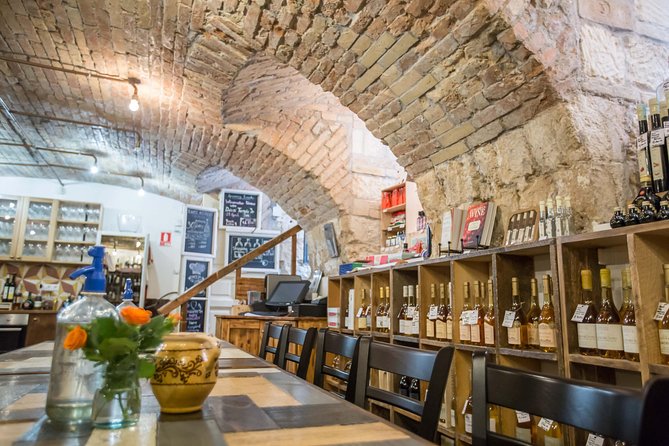
Hungary’s best wine lesson may take place not in a vineyard, but beneath Budapest in a 19th-century vaulted cellar. At Taste Hungary’s Tasting Table Cellar, you sit with a sommelier, taste five Hungarian wines, and learn how the country’s regions, grapes, and winemaking changed after Communism.
I especially like the indigenous grape varieties and the serious food pairing. The four cheeses and four cured meats include unusual Hungarian specialties such as smoked duck, water buffalo salami, and Mangalica pork sausage. The main caution is value: at $50, the food is good quality, but some people may find the portions light for a full meal.
Key points at a glance
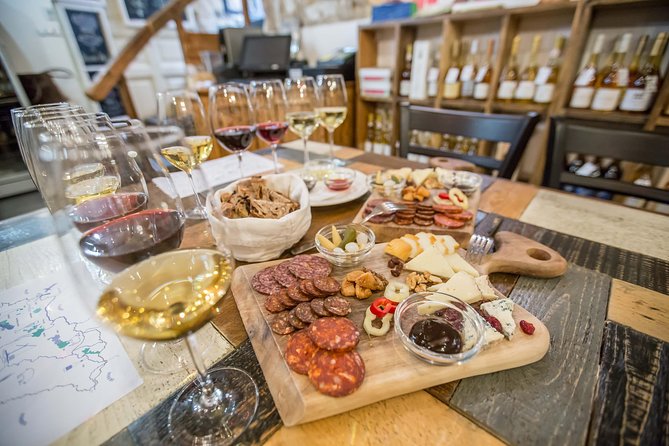
- Five Hungarian wines: You taste generous pours made from local grape varieties, including bottles that can be difficult to find outside Hungary.
- A proper cellar setting: The vaulted room gives the tasting a sense of place that a hotel bar cannot match.
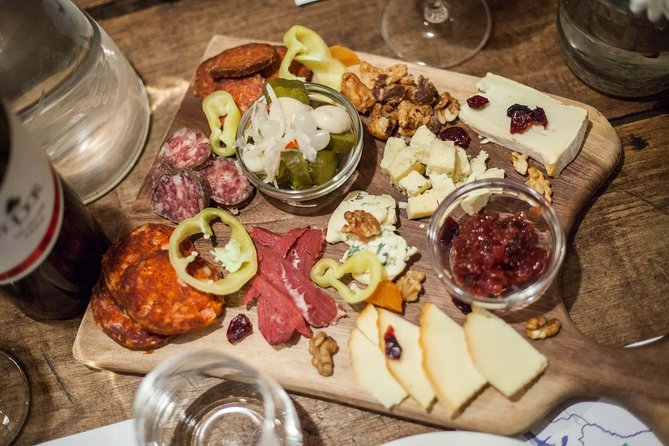
- Four cheeses and four cured meats: Expect local specialties, artisan bread, and pairings chosen to work with the wines.
- A useful introduction: Your sommelier explains wine regions, grapes, soil, winemaking, and Hungary’s changing food culture.
- Communal tables: The maximum group size is 24, and shared seating makes this a sociable activity for solo visitors and couples.
- A 3 p.m. schedule: The timing works well as an afternoon plan, though you should eat beforehand if you need a substantial meal.
Entering the Tasting Table Cellar in Budapest
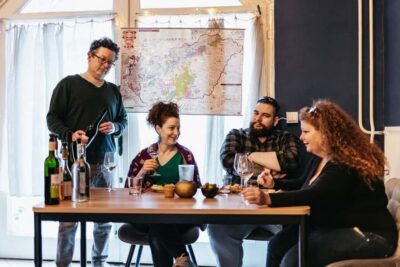
The meeting point is Taste Hungary’s Tasting Table Cellar at Bródy Sándor u. 9, in Budapest’s 1088 district. You make your own way there, check in, and take a seat at a communal table beneath the old cellar’s vaulted ceiling.
That room is part of the appeal. Wine tasting can feel stiff when it happens in a polished restaurant or a shop with bright lights and shelves of bottles. Here, the stone and brick surroundings give the event an old-world feel without turning it into a museum lecture. You are there to eat, drink, ask questions, and enjoy the setting.
The session starts at 3 p.m. and lasts about 90 minutes. That makes it easy to fit between sightseeing and dinner. You could spend the morning around Buda Castle or the Parliament area, have lunch, then arrive for an afternoon focused on Hungarian food and wine.
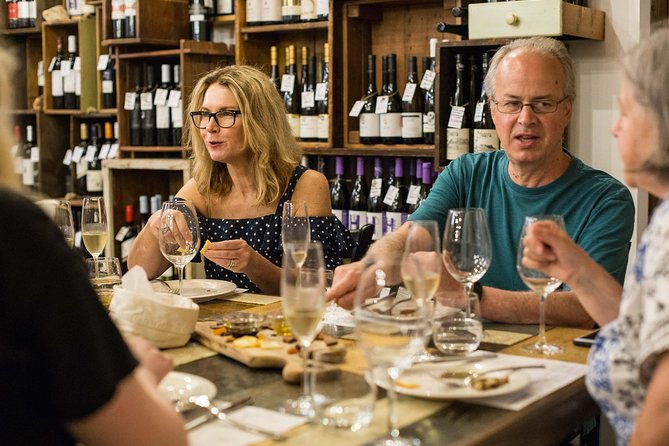
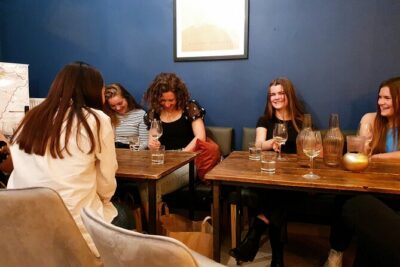
The activity is offered in English. The group can include up to 24 people, with seating at shared tables. That arrangement is worth knowing before you book. It is not a private tasting for just you and your companion, but it can make the afternoon more social. Solo visitors have a natural chance to meet people from other countries, while couples should expect to share their table.
More Wine Tastings in Budapest
- Countryside Half-day Gastro-Wine Tour from Budapest Meal & pickup
★ 5.0 · 1,450 reviews - From Budapest: Etyek Wine Tasting Tour with 3-Course Meal
★ 4.8 · 557 reviews - Budapest: Hungarian Wine Tasting with 7 Wines and Tapas
★ 4.9 · 389 reviews
Five wines that explain Hungary by the glass
The heart of the tasting is five glasses of Hungarian wine. The point is not simply to drink five different labels. Your sommelier uses the wines to introduce local grape varieties, wine regions, growing conditions, and the way Hungarian producers work with both familiar and less familiar grapes.
This is especially useful if your knowledge of Hungarian wine begins and ends with Tokaji. Tokaji is an important part of the country’s wine identity, and one of the tastings has included it as a memorable final pour. But the session presents more than one famous name. You get a broader view of the country’s wine production through five contrasting examples.
Some of the wines are made from indigenous Hungarian grape varieties. That matters for a visitor because these are the bottles most likely to tell you something you cannot learn from a standard international wine list. You may already know common grape names, but a local variety can give you a clearer sense of what makes Hungarian wine different.
Your sommelier also welcomes questions. You can ask about the region where a wine was made, the grape used, the soil, or how the wine was produced. Past guides have included Sam, Thomas, Tomas, Matthew, and Cleveland John. The exact guide depends on the session, but the role is the same: keep the tasting accessible while giving you enough detail to understand what is in your glass.
You do not need to know wine terms before you arrive. The structure works for beginners because each wine gives you something concrete to taste and compare. It also works for experienced drinkers, especially if you want to look beyond the best-known Hungarian styles.
The tasting sheets help. You receive space for notes along with a map of Hungarian wine regions. I like this small practical touch because it turns a pleasant afternoon into something you can remember later. If you find a favorite wine, you can write down the name and region rather than relying on a vague memory of a red bottle from Budapest.
Cheese, charcuterie, and the post-Communist food revival
The food is not a decorative plate placed beside the wine. It is part of the lesson.
You receive four kinds of cheese and four kinds of cured meat, along with fresh artisan bread and mineral water. The selection can include beef sausage, smoked duck breast, free-range water buffalo salami, and Mangalica pork sausages. Mangalica is especially interesting for anyone curious about Hungarian food, since it is a distinctive local pork product rather than a generic deli meat.
The sommelier explains the revival of artisan cheese and charcuterie after the end of the Communist era. That context helps you understand why the board matters. You are not simply sampling snacks. You are seeing how smaller producers and traditional foods have found a new place in modern Hungary.
The pairings are one of the strongest parts of the experience. Each wine is matched with meat or cheese so you can notice how salt, smoke, fat, and texture alter the taste. You do not need to analyze every bite. Simply try a piece of sausage with one wine, then taste it with another. The contrast often teaches more than a long explanation.
There is fresh bread to help balance the stronger flavors, and mineral water is included. The water is important during a tasting with five pours, particularly if you are not used to drinking wine in the afternoon.
Here is the practical catch: the board is intended as a tasting accompaniment, not a full lunch. The food is praised for its quality and variety, but some people have found the quantity modest for the price. If you arrive hungry, you might wish for more meat and cheese. Eat a light meal beforehand if you want to focus on the wine rather than count the slices.
Vegetarians are welcome, but you must notify the provider in advance so alternatives can be prepared. The standard food offering centers on cured meats, so do not wait until you sit down to request a vegetarian plate.
How the 90-minute tasting usually unfolds
The session begins with an introduction to Hungarian wine and the cellar. Your guide sets the scene, explains how the tasting will work, and starts the first pour.
The wines then arrive one at a time, with discussion of the grape, region, production, and food pairing. The exact order and bottle selection can vary, but the basic format remains five wines with four cheeses and four cured meats.
A good guide will not talk without pause. One past session included time to enjoy the food and wine after the explanations, which is the right balance. You get instruction, then room to compare flavors and talk with the people at your table.
The atmosphere is relaxed rather than formal. You can ask questions throughout, and you are not expected to identify every aroma or make clever tasting notes. If a wine is unfamiliar, that is the point. You are learning what Hungarian producers make and how the wines fit with local food.
Some sessions have run longer than the advertised 90 minutes, while another experience felt rushed toward the end because the next group was due. That tells you something useful about the format. The planned duration is about an hour and a half, but the pace can depend on the group and the day’s schedule. Keep your later plans flexible rather than booking a timed show immediately afterward.
A completely different kind of day out in Budapest:
- Budapest: City Highlights Cruise with Welcome Drink
★ 4.6 · 35,610 reviews - Budapest: Unlimited Prosecco, Beer and Aperol Spritz Cruise
★ 4.8 · 25,310 reviews - Budapest: Széchenyi Spa Day Ticket with Optional Upgrades
★ 4.3 · 23,911 reviews - Budapest: Nighttime or Daytime Sightseeing Cruise
★ 4.2 · 21,062 reviews
What the sommelier adds to the experience
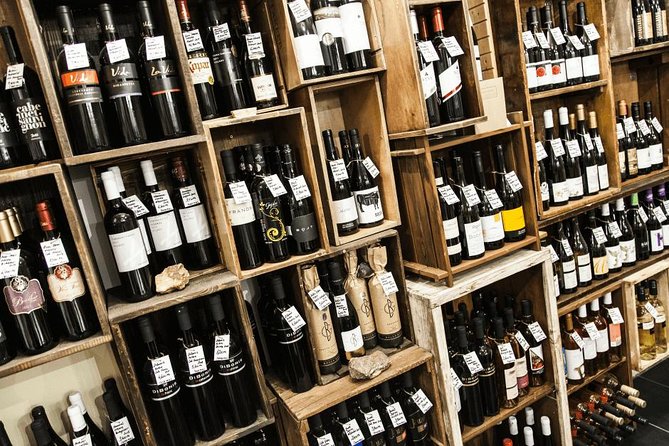
The sommelier is the difference between a simple flight of wine and a useful introduction to Hungary. The strongest sessions have included clear explanations of wine regions, grape types, soil, and the science of winemaking, along with stories about Hungarian food and wine culture.
You can expect an English-speaking guide who is prepared to answer questions. Some guides bring a more historical angle, discussing how wine production and local food changed over time. Others focus more closely on tasting and pairing. Past participants have singled out Sam, Thomas, Tomas, and Matthew for making the information easy to follow and the room welcoming.
I would not book this solely for a lecture. The value comes from the combination of explanation and tasting. You hear a short lesson, taste the wine, try the food, and then decide what you think. That keeps the session grounded.
The communal table also changes the mood. You might arrive alone and end up discussing favorite wines with people from the United Kingdom, Poland, the United States, or elsewhere. That social element is not guaranteed in a private room, but it is one reason this works well as a first or second afternoon in Budapest.
Is $50 a fair price?
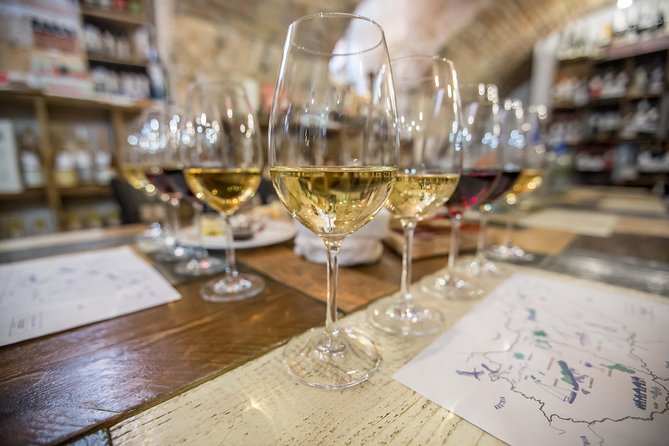
At $50 per person, the cost is not the cheapest way to drink Hungarian wine. You could buy bottles and snacks for less. But that comparison misses what you are paying for: five pours, eight food samples, a professional sommelier, tasting notes, a regional map, the cellar setting, and a guided explanation of a wine culture many visitors do not know well.
The price makes the most sense if you want context. A bottle bought in a shop can be enjoyable, but it cannot explain why the wine tastes the way it does or help you compare it with four others. The guide also saves you from guessing which unfamiliar labels are worth trying.
The food quantity is the main value concern. Four cheeses and four cured meats sound generous on paper, but the board is designed for pairing rather than a large meal. I consider the price reasonable for a wine education activity with food, but less attractive if you are mainly looking for lunch and drinks.
You may also find wines that are hard to locate at home. One useful part of the experience is discovering bottles you can seek out later. Some people have bought wine after the tasting, and Taste Hungary can assist with further interest in Hungarian bottles. The exact availability and shipping arrangements are not part of the 90-minute activity, so ask the staff directly if that matters to you.
Who should book this Budapest wine tasting?
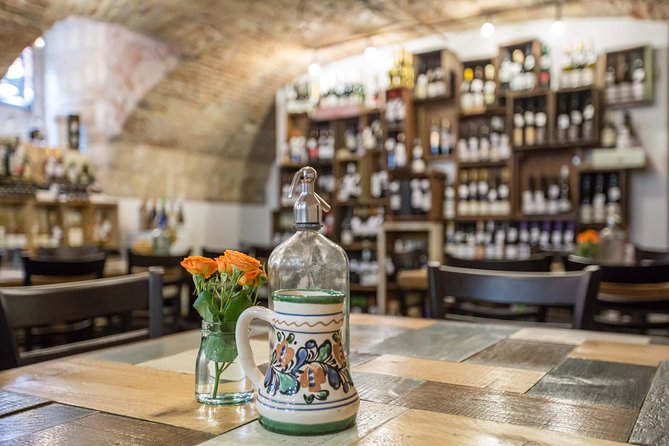
I would choose this for anyone who wants an introduction to Hungarian wine without committing to a full-day trip into the countryside. It is also a good choice for a solo visitor who likes meeting people at shared tables.
You do not need formal wine training. Beginners get a clear framework, while serious wine drinkers can use the tasting to find lesser-known Hungarian grapes and regions. The event also suits food lovers who want more than a standard restaurant meal.
It is less suitable if you dislike communal seating, want a private tasting, or need a large meal. It may also disappoint someone hoping to visit vineyards in person. This is a city cellar experience, not a countryside winery tour.
Anyone aged 18 or older may participate, since Hungary’s legal drinking age is 18. Most people can take part, and the cellar is near public transportation. The activity ends where it begins, so you can continue sightseeing or head to dinner afterward.
The experience has a 4.9 out of 5 rating and is recommended by 97 percent of participants, a strong sign that the format consistently works. Still, the two points to weigh are simple: the charcuterie may not satisfy a big appetite, and the timing can feel tight if the group is large or another session follows.
My verdict: book it for the story behind the bottle
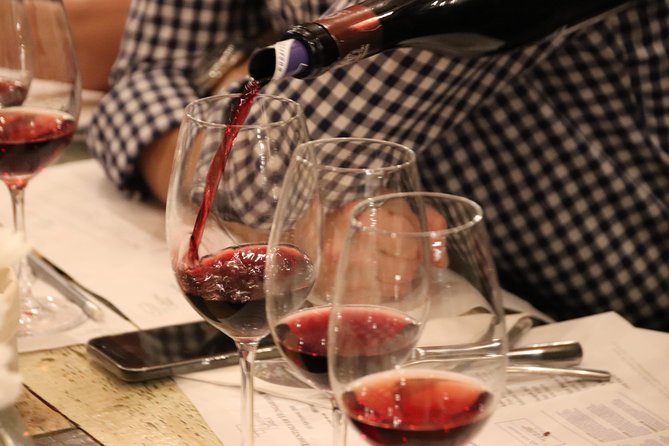
I would book this tasting if you want to understand Hungarian wine rather than simply drink it. The cellar setting, regional map, five local wines, and carefully matched food make the afternoon more useful than a casual glass at a wine bar.
Book it before dinner, eat something light first, and tell Taste Hungary about vegetarian needs in advance. Go with curiosity, not a checklist of famous labels. If the idea of sitting with other people, tasting unfamiliar grapes, and learning why Hungarian cheese and charcuterie have made a comeback sounds appealing, $50 is a fair price for 90 minutes of food, wine, and local insight.
FAQ
Where does the Hungarian wine tasting take place?
It takes place at the Tasting Table Cellar by Taste Hungary, at Bródy Sándor u. 9, 1088 Budapest, Hungary.
What time does the tasting start?
The listed start time is 3 p.m.
How long does the experience last?
The tasting lasts approximately 1.5 hours, or 90 minutes.
How many wines are included?
Five glasses of Hungarian wine are included.
What food is included?
You receive four kinds of cheese, four kinds of cured meat, fresh artisan bread, and mineral water.
Is the tasting held in English?
Yes. The activity is offered in English.
Can vegetarians participate?
Yes. Vegetarians are welcome, but you need to notify the provider in advance so alternatives can be prepared.
How many people can join the tasting?
The group can include a maximum of 24 participants. Seating is at communal tables.
Is the tasting refundable if I cancel?
No. The experience is non-refundable and cannot be changed for any reason. If the minimum number of participants is not reached and the activity is canceled, you will be offered another date or experience, or a full refund.
More Food and Drink Experiences in Budapest
- Budapest: Unlimited Prosecco, Beer and Aperol Spritz Cruise
★ 4.8 · 25,310 reviews - Budapest: Unlimited Prosecco, Beer & Aperol Spritz Cruise
★ 4.5 · 3,371 reviews - Budapest: Guided Foodie Walking Tour with Food and Drinks
★ 4.9 · 453 reviews - Budapest Food Tour: Market to Tavern with 14+ Tasters & Wines
★ 5.0 · 434 reviews
More Cheese and Charcuterie Tastings in Budapest
- Budapest: Wine, Cheese, and Charcuterie Tasting
★ 4.9 · 647 reviews - Evening Wine, Cheese, & Charcuterie Tasting in Budapest
★ 5.0 · 121 reviews - Budapest Private Tuk Tuk Tour with Wine Tasting and Cheese Platter
★ 4.5 · 35 reviews
Recently added around Budapest
- Budapest: Private Walking Tour with a Local Guide★ 3.6 · 6 reviews
- From Budapest: Guided Tour of Eger with Wine Tasting★ 4.5 · 6 reviews
- Budapest: City Bike Tour with Coffee Stop★ 5.0 · 37 reviews
- Budapest: Danube River Views Bike Ride★ 4.8 · 23 reviews
- Budapest: Vacation Photographer to collect great memories★ 5.0 · 49 reviews
- Walk to recent and aged spiritual sanctuaries near Budapest★ 5.0 · 5 reviews
- Budapest: Multilingual Highlights Tour★ 4.8 · 89 reviews
- True Crime Walking Tour in the Buda Castle district★ 5.0 · 26 reviews
Hungarian Wine Tastings, compared.
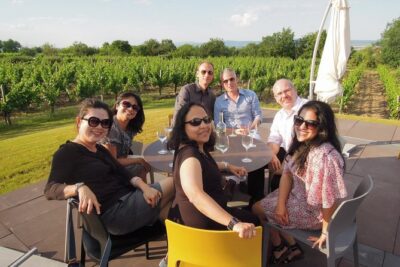
Countryside Half-day Gastro-Wine Tour from Budapest Meal & pickup
Read our review →
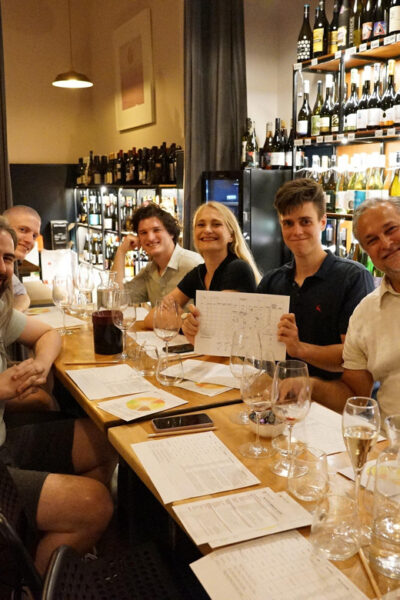
8-Tier Hungarian Wine Tasting in a Cozy Downtown Wine Bar
Read our review →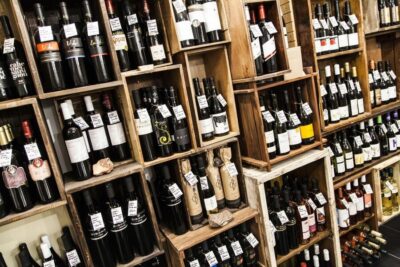
Easy Cooking Class Budapest – with Market Walk (local wine & pálinka included)
Read our review →Browse the lists this tour appears in