
Reviewed · HUNGARIAN WINE TASTINGS
Budapest: Hungarian Wine Tasting with 7 Wines and Tapas
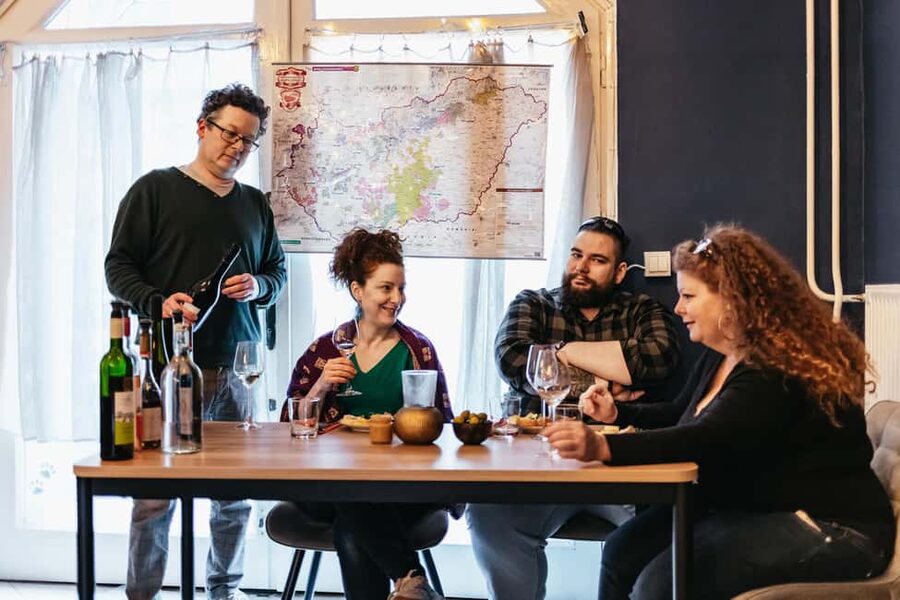
Hungary’s wine story is far more interesting than its international reputation suggests, and this two-hour tasting gives you a quick, tasty introduction without leaving Budapest. At Wine the Gap, a local host such as Miki or Miklos guides you through seven wines from both familiar and small producers, linking each glass to Hungary’s wine regions and past.
I like the way the tasting pairs wine with farm-sourced Hungarian food, rather than treating the snacks as an afterthought. I also like the friendly, conversational teaching style, which can feel more like a dinner with an enthusiastic local than a formal wine lesson.
The main drawback is the fixed two-hour format. You get a broad introduction, not a full tour of Hungarian vineyards, and the experience is for adults only. Still, for $62 per person, it offers a useful first look at wines you may not encounter elsewhere.
Key points at a glance
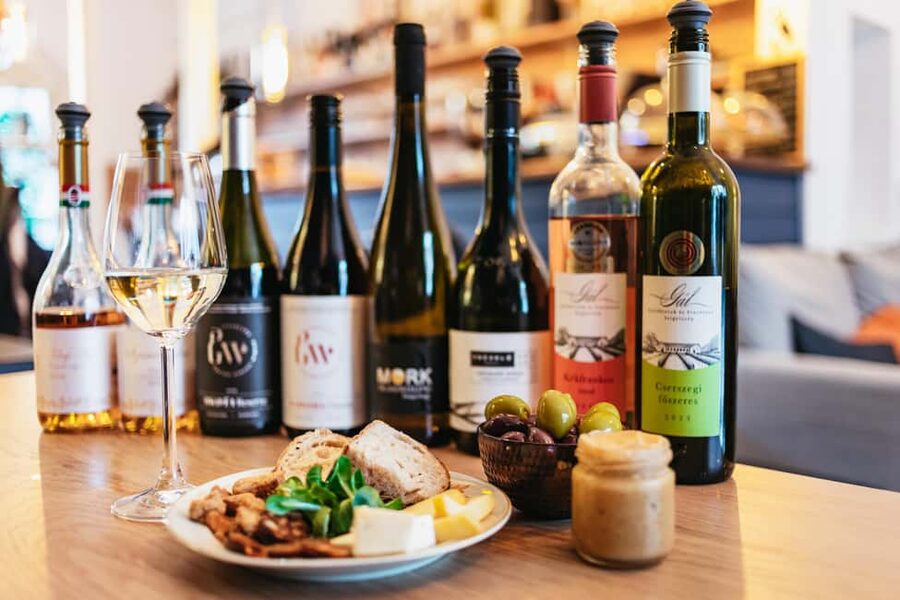
- Seven Hungarian wines: Taste a planned selection from larger and lesser-known producers.
- A local guide with personality: Miki, Miklos, Micky, and Luca have led sessions, depending on the date.
- Wine regions made clear: A map and tasting notes help connect each glass to its place of origin.
- Unusual grapes: Try wines made with cserszegi fűszeres, kadarka, and other Hungarian varieties.
- Real local pairings: Cheese, ham, sausage, olives, and tomatoes come from farms outside Budapest.
- Easy central setting: The tasting starts and ends at Wine the Gap, with no hotel transport involved.
Why Hungarian wine deserves two hours of your Budapest trip
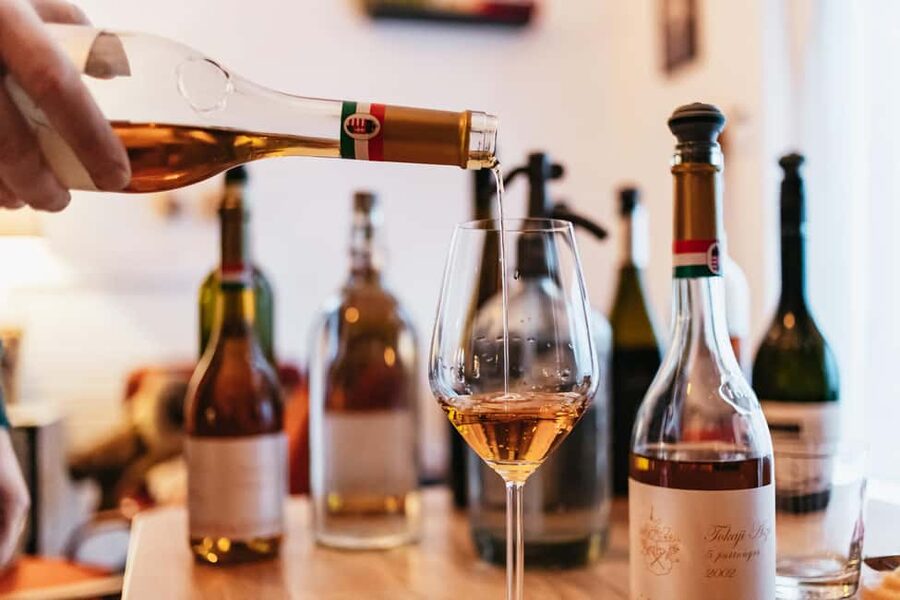
Hungary is best known abroad for sweet Tokaji wines, but that is only one part of the picture. This tasting introduces you to a wider range of Hungarian bottles, including fresh whites, lighter reds, and fuller styles associated with classic regional blends.
You begin with a short explanation of Hungarian wine history and the country’s main wine-producing areas. That context matters because the names on Hungarian labels may be unfamiliar. Instead of simply asking you to taste seven unrelated wines, the host shows how grapes, regions, and local traditions fit together.
I find this especially useful if you know wine from France, Italy, California, or Australia but have little experience with Hungary. The session gives you enough background to make later restaurant and wine-shop choices with more confidence.
The experience does not take you into the countryside. You will not see vineyards or cellar operations, and it is not a winery tour. Its value comes from bringing a carefully chosen sample of the country to a central Budapest wine bar, where you can learn without giving up most of a day.
More Wine Tastings in Budapest
- Countryside Half-day Gastro-Wine Tour from Budapest Meal & pickup
★ 5.0 · 1,450 reviews - From Budapest: Etyek Wine Tasting Tour with 3-Course Meal
★ 4.8 · 557 reviews - Hungarian Wine Tasting (with Cheese and Charcuterie) in Budapest
★ 5.0 · 531 reviews
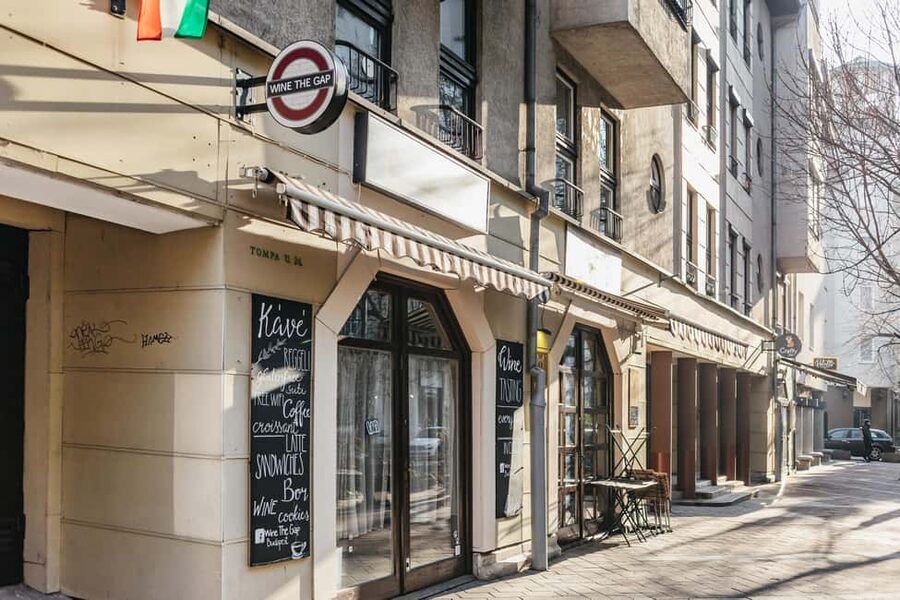
Meeting at Wine the Gap in central Budapest
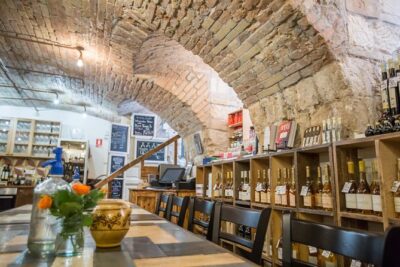
The tasting takes place at Wine the Gap Borbár és Rendezvénytér, also referred to simply as Wine the Gap. You meet the guide at the bar, and the activity ends there after roughly two hours.
That simple arrangement is a real advantage. You do not need to find a countryside meeting point or arrange a long ride back after tasting wine. You can fit the session into an evening alongside dinner plans, though the tasting itself already includes enough food to take the edge off your appetite.
The wine bar is described as cozy and welcoming, and its relaxed setting suits the social side of the experience. You may share the table with other wine drinkers, or you may find yourself in a very small group. One session had only a single participant, while other accounts describe meeting a couple or making friends during the tasting.
The group size is not specified, so do not book this expecting a private lesson. The social format is part of the appeal, but it also means the mood can vary with the mix of people attending.
Seven pours, seven ways into Hungarian wine
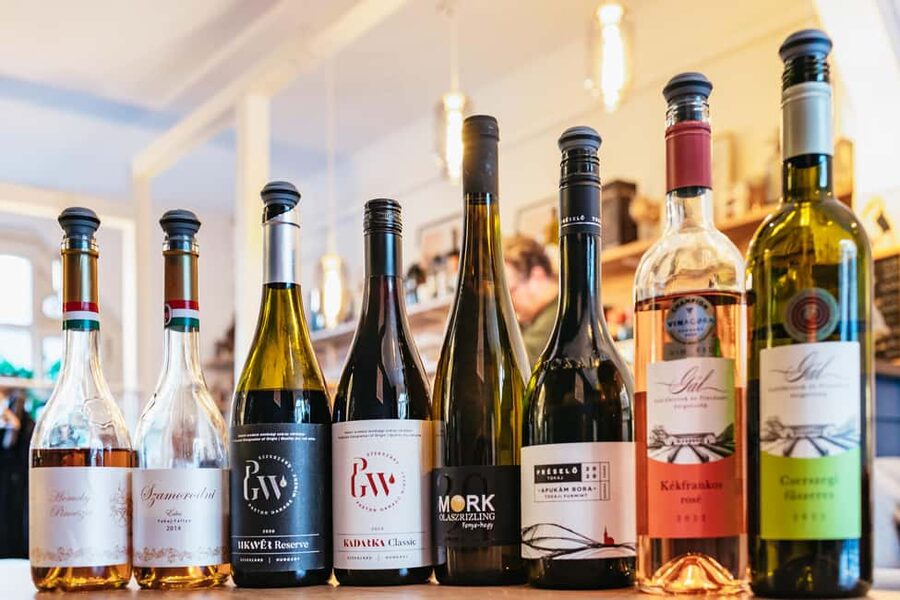
The central part of the session is a tasting of seven Hungarian wines. The selection can include bottles from both larger producers and lesser-known boutique wineries, giving you a wider view than a tasting focused on one estate.
You should expect the guide to explain how to look at, smell, and taste each wine, not simply hand you a glass and announce its name. The session includes tasting notes, so you can record what you like and remember bottles worth seeking out later.
The exact wines are not listed in advance, which is normal for a tasting built around available bottles. That is useful if you want discovery, but less useful if you are hoping to try a particular producer or vintage. Think of the lineup as an introduction to styles and grapes rather than a guaranteed list of labels.
Seven wines over two hours gives the guide time to talk. You are not rushed through a long parade of tiny samples. At the same time, the tasting is substantial enough that you should pace yourself and use the food and water provided.
Cserszegi fűszeres and the unpronounceable grape
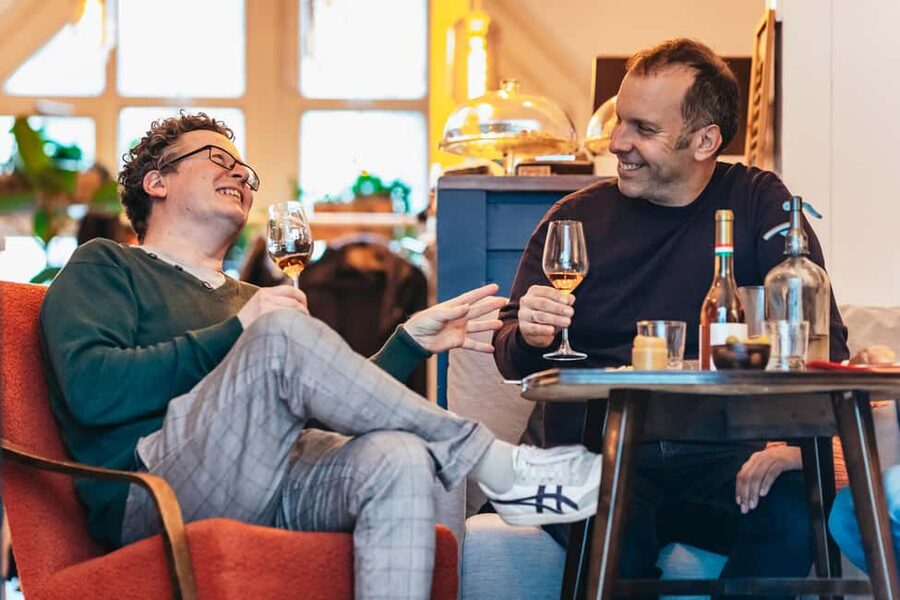
One of the most memorable parts is the introduction to cserszegi fűszeres, a Hungarian grape whose name is often jokingly treated as the unpronounceable grape. You will taste white wines made from this variety and learn how Hungarian producers use it.
For many people, unfamiliar grape names are the best reason to book this kind of experience. You can order another Chardonnay anywhere. A guided tasting gives you a chance to identify Hungarian styles that are harder to find outside the country.
The host focuses on aromas, flavors, and the feel of the wine, while also explaining where the grapes come from. You do not need advanced wine knowledge. The teaching is aimed at curious drinkers, and the guides are praised for keeping the tone warm, funny, and easy to follow.
A completely different kind of day out in Budapest:
- Budapest: City Highlights Cruise with Welcome Drink
★ 4.6 · 35,610 reviews - Budapest: Unlimited Prosecco, Beer and Aperol Spritz Cruise
★ 4.8 · 25,310 reviews - Budapest: Széchenyi Spa Day Ticket with Optional Upgrades
★ 4.3 · 23,911 reviews - Budapest: Nighttime or Daytime Sightseeing Cruise
★ 4.2 · 21,062 reviews
Kadarka, Bull’s Blood, and the red-wine story
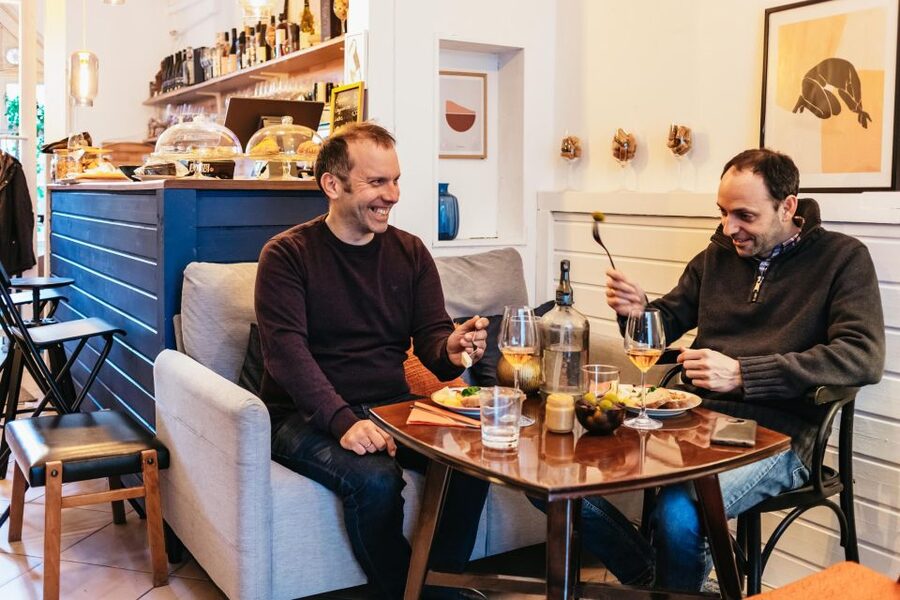
The tasting also introduces Hungarian red wines, including kadarka and Bull’s Blood. Bull’s Blood, known in Hungary as Egri Bikavér, is associated with Eger and has a name that tends to make an impression before the first sip.
Kadarka offers another useful lesson in Hungarian wine. It is a traditional red grape, and tasting it alongside other styles helps show that Hungarian reds are not all heavy or alike.
The supplied details also refer to furmint as Hungary’s best-known grape. Furmint is especially important in Hungarian wine and is commonly associated with white wines, so the precise wines in your session may vary. The safest expectation is a guided look at important Hungarian grapes and regional styles, not a fixed red-versus-white formula.
That uncertainty is not a serious flaw, but it is worth knowing. Wine lists change, and the experience is designed around the host’s current selection rather than a printed promise of seven specific bottles.
Local tapas that actually help the tasting
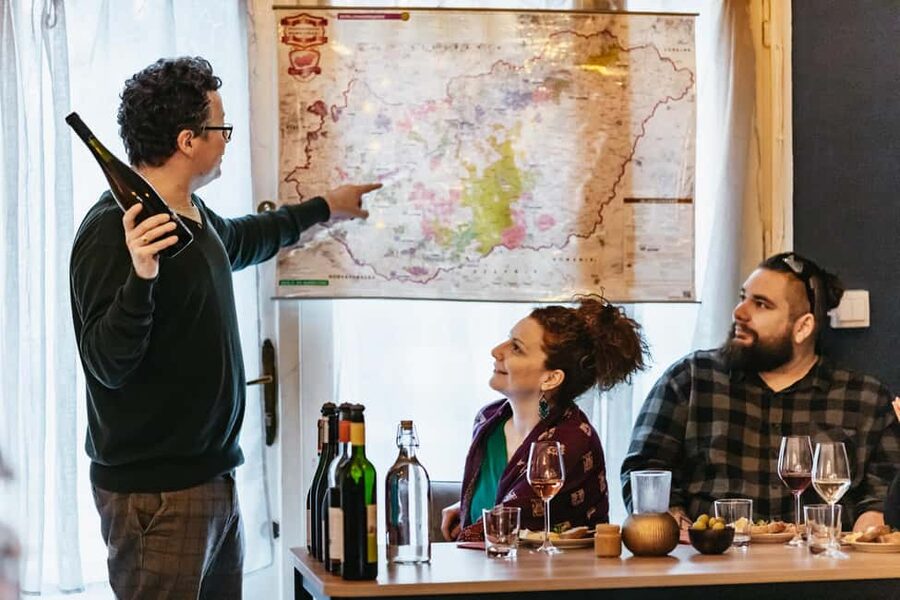
The food pairing includes olives, ham, sausages, tomatoes, and several kinds of cheese. These products come from farms outside Budapest, giving the tasting a local-food element as well as a wine focus.
The small plates serve two purposes. First, they give you something to eat during a session that includes seven pours. Second, they help you notice how salt, fat, acidity, and texture change the way wine tastes.
I like this better than a tasting built around generic crackers. Cheese and sausage make the experience feel connected to Hungarian eating habits, while tomatoes and olives keep the plates from becoming too heavy. The portions are described as tapas, so you should not treat the session as a full dinner.
Food preferences and allergies are not detailed in the supplied information. If you have strict dietary needs, ask before booking rather than assuming substitutions will be available.
Miki, Miklos, Micky, and Luca as hosts
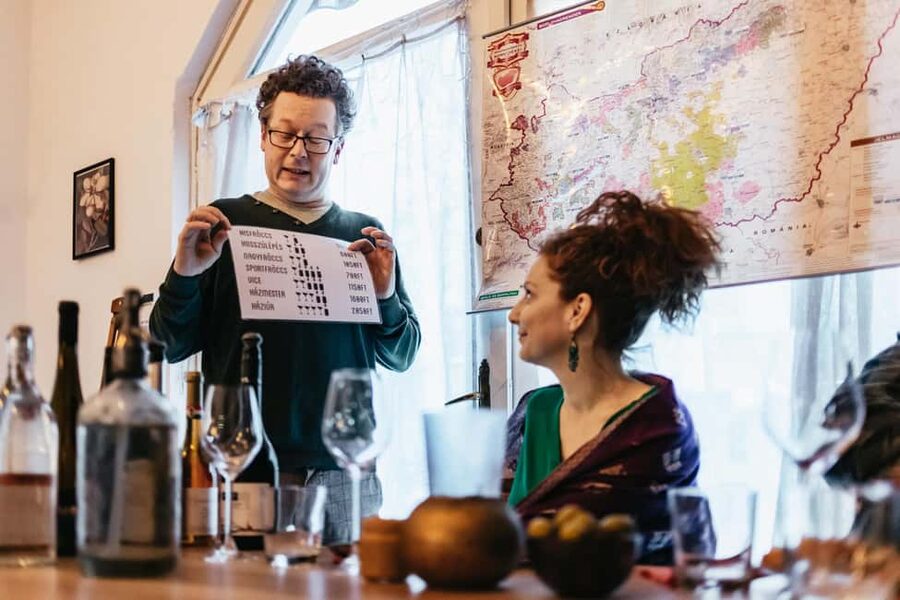
The host is one of the strongest parts of this experience. Several names appear in the tour’s feedback, including Miki, Miklos, Micky, and Luca, so the guide you meet will depend on the date and staffing.
Miki is repeatedly described as passionate about Hungarian wine and generous with his time. His style is informal, with history, geography, jokes, and practical wine advice mixed into the tasting. That approach suits people who want to learn without sitting through a stiff lecture.
Luca has also led the experience and is described as a strong guide to Hungarian wine regions and their background. The important point is not one guaranteed personality, but the clear focus on an English-speaking host who knows the subject and enjoys discussing it.
The tone may feel more like a get-together with friends than a certification class. That is good news if you want culture and conversation with your wine. If you prefer a silent, highly technical tasting with detailed production statistics for every bottle, this may feel too casual.
What the two-hour itinerary feels like
Your first stop is the wine bar itself, where you meet the guide and settle in. The host introduces Hungary’s wine regions and gives you a framework for the tasting.
The seven wines then arrive in a guided sequence. You learn about the grapes and producers, taste each pour, and compare the styles. The map of Hungarian wine regions is a useful extra because it turns abstract names into places you can recognize on a future trip.
The food appears throughout the session rather than being saved for a separate meal. Water is included, and tasting notes help you keep track of the wines.
There is no second stop and no transport segment. After the final pour and discussion, you are back where you began. That makes the itinerary easy to understand, but it also means the activity is limited to the wine bar. If you want vineyard views, rural villages, or a cellar visit, choose a separate day trip.
Is $62 per person a fair price?
At $62, the price is reasonable if you place value on guided instruction, seven pours, and local food in a central Budapest setting. You are paying for more than seven glasses of wine. The guide’s regional explanations, tasting notes, map, bottled water, and farm-sourced pairings are part of the package.
The price also compares favorably with the time required. You spend two hours rather than a full day traveling outside the city, and hotel pickup is not needed. For a short Budapest stay, that efficiency can matter more than a cheaper but less focused tasting.
The value depends on your drinking habits. If you rarely drink wine or mainly want a quick taste, seven wines may be more than you need. If you already enjoy wine and want to understand Hungary before buying bottles or visiting a wine region, the session is a stronger choice.
Extra bottles are not included, although you may be able to buy more wine at the bar afterward. One useful tip is to note the names of wines you like as you go, since the tasting notes and the shop setting may help you find them again.
Who should book this Budapest wine tasting?
I would choose this for an adult who wants a cultural activity with food, conversation, and a manageable time commitment. It suits couples, solo visitors, and small groups who enjoy meeting other people around a table.
Solo visitors should not feel out of place. The social format can make it easy to join a mixed group, and one-person sessions are possible. Couples also get a relaxed evening activity that is more distinctive than simply ordering wine at a restaurant.
This is not suitable for children under 18 or pregnant women. It is wheelchair accessible, and the live tour is conducted in English.
You should also book with realistic expectations. You will learn about Hungarian wine regions and taste seven examples, but you will not become an expert in two hours. The real benefit is a sharper sense of what to look for next.
Practical details before you book
The activity lasts two hours, but starting times depend on availability. Check the time carefully, especially if you are planning dinner or a concert afterward.
The experience starts and ends at Wine the Gap. Hotel pickup and drop-off are not included, so plan your own route to the central wine bar.
Free cancellation is available up to 24 hours before the start time for a full refund. You can also reserve now and pay later, which helps if your Budapest schedule is still changing.
The tour is conducted in English. Bottled water, tasting notes, a map of Hungary’s wine regions, seven wine tastings, and tapas are included.
Should you book it?
Yes, if you want a lively introduction to Hungarian wine without spending a day outside Budapest. The combination of unfamiliar grapes, regional stories, seven pours, and local farm food gives you a useful taste of the country’s wine culture.
I would be especially keen to book this early in a Budapest visit. Then you can use what you learn when choosing wine at restaurants or deciding if a longer countryside wine trip is worth your time.
Skip it if you do not drink alcohol, need a full meal, or want to visit vineyards in person. For everyone else, $62 buys a well-paced, social evening led by a host who treats Hungarian wine as a passion rather than a checklist.
FAQ
Where does the Hungarian wine tasting take place?
It takes place at Wine the Gap wine bar, also called Wine the Gap Borbár és Rendezvénytér, in central Budapest.
How long does the activity last?
The guided tasting lasts two hours.
How many wines are included?
Seven Hungarian wine tastings are included.
What food is served with the wine?
The tapas can include olives, ham, sausages, tomatoes, and different types of cheese sourced from farms outside Budapest.
Is the tasting conducted in English?
Yes. The live guide conducts the experience in English.
Is hotel pickup included?
No. You meet at Wine the Gap, and the activity ends at the same meeting point.
Is the experience wheelchair accessible?
Yes, the activity is wheelchair accessible.
Can children or pregnant women attend?
No. The experience is not suitable for children under 18 or pregnant women.
More Food and Drink Experiences in Budapest
- Budapest: Unlimited Prosecco, Beer & Aperol Spritz Cruise
★ 4.5 · 3,371 reviews - Budapest: Wine, Cheese, and Charcuterie Tasting
★ 4.9 · 647 reviews - Budapest: Guided Foodie Walking Tour with Food and Drinks
★ 4.9 · 453 reviews - Budapest Food Tour: Market to Tavern with 14+ Tasters & Wines
★ 5.0 · 434 reviews
Recently added around Budapest
- Budapest: Private Walking Tour with a Local Guide★ 3.6 · 6 reviews
- From Budapest: Guided Tour of Eger with Wine Tasting★ 4.5 · 6 reviews
- Budapest: City Bike Tour with Coffee Stop★ 5.0 · 37 reviews
- Budapest: Danube River Views Bike Ride★ 4.8 · 23 reviews
- Budapest: Vacation Photographer to collect great memories★ 5.0 · 49 reviews
- Walk to recent and aged spiritual sanctuaries near Budapest★ 5.0 · 5 reviews
- Trash Art Museum: Hungary’s First Scrap Metal Exhibition★ 4.3 · 72 reviews
- Budapest: Multilingual Highlights Tour★ 4.8 · 89 reviews
Hungarian Wine Tastings, compared.
Countryside Half-day Gastro-Wine Tour from Budapest Meal & pickup
Read our review →
Hungarian Wine Tasting (with Cheese and Charcuterie) in Budapest
Read our review →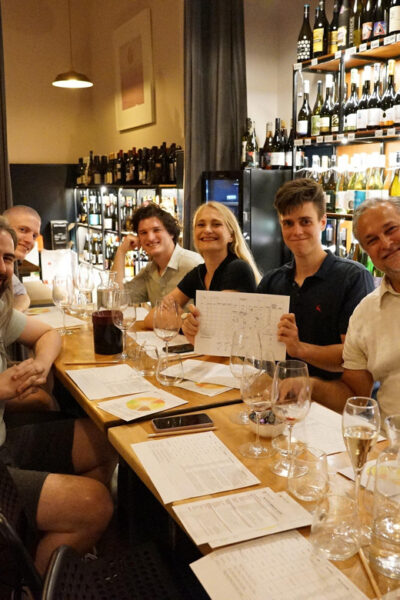
8-Tier Hungarian Wine Tasting in a Cozy Downtown Wine Bar
Read our review →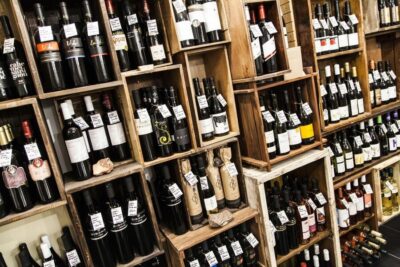
Easy Cooking Class Budapest – with Market Walk (local wine & pálinka included)
Read our review →Browse the lists this tour appears in