
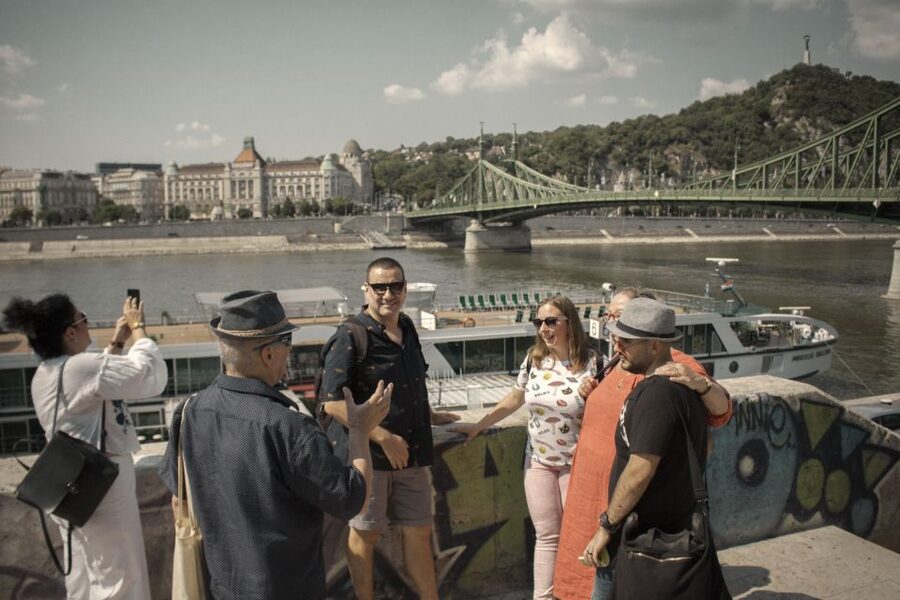
Reviewed · ART NOUVEAU TOURS
Art Nouveau Tour in Budapest: 3-Hour Private Tour
Budapest’s Art Nouveau is more than pretty decoration. On this three-hour private tour, you learn why late 19th-century facades became so ornate, why Hungarian architects used folk patterns, and why the city has no skyscrapers. The tour turns streets you might otherwise pass into clues about Budapest’s ambitions at the turn of the century.
I like the private format, since you can stop for questions and shape the conversation around architecture, local life, or Hungarian history. I also like the focus on less obvious buildings, including public structures with beehive symbols and Art Nouveau details that are easy to miss without a trained eye.
The main drawback is practical: this is a walking-heavy experience, and it is not suitable for people with mobility impairments. At $127 per person, it also makes the most sense for visitors who care about architecture and personal guiding rather than those seeking a quick sightseeing loop.
Key points at a glance
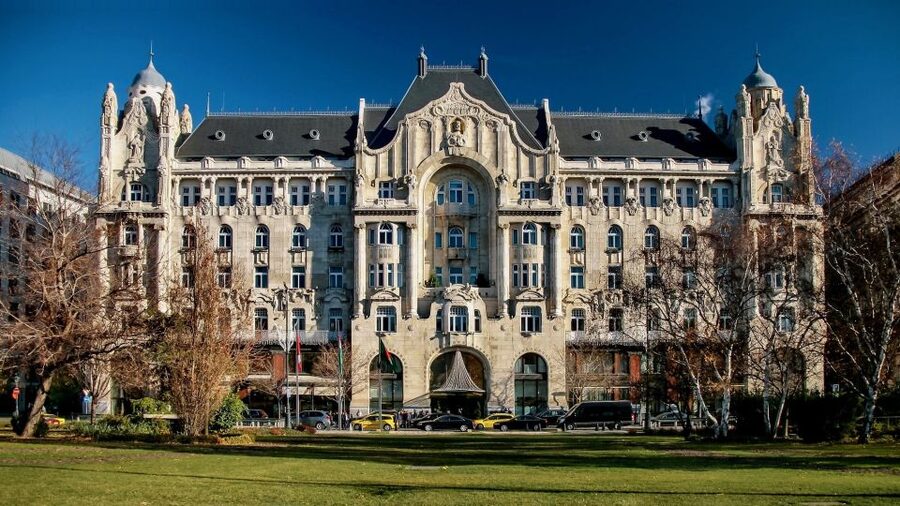
- Turn-of-the-century Budapest: Follow the city’s growth during the late 1890s and early 20th century, when Pest was changing fast.
- Hungarian Secession: Learn why Art Nouveau is called szecesszió in Hungarian and how local architects gave the style a distinct identity.
- Folk motifs in stone and tile: Look for Hungarian decorative ideas woven into modern buildings rather than simply copied from Western Europe.
- Small-group attention: This is a private tour, so you can ask detailed questions and adjust the pace of the conversation.
- Pickup from your accommodation: Your guide meets you at your Budapest lodging and goes with you to the first stop.
- Useful city orientation: The tour can include introductions to Budapest’s tram and underground systems, adding practical value beyond architecture.
Why Budapest’s Art Nouveau deserves three hours
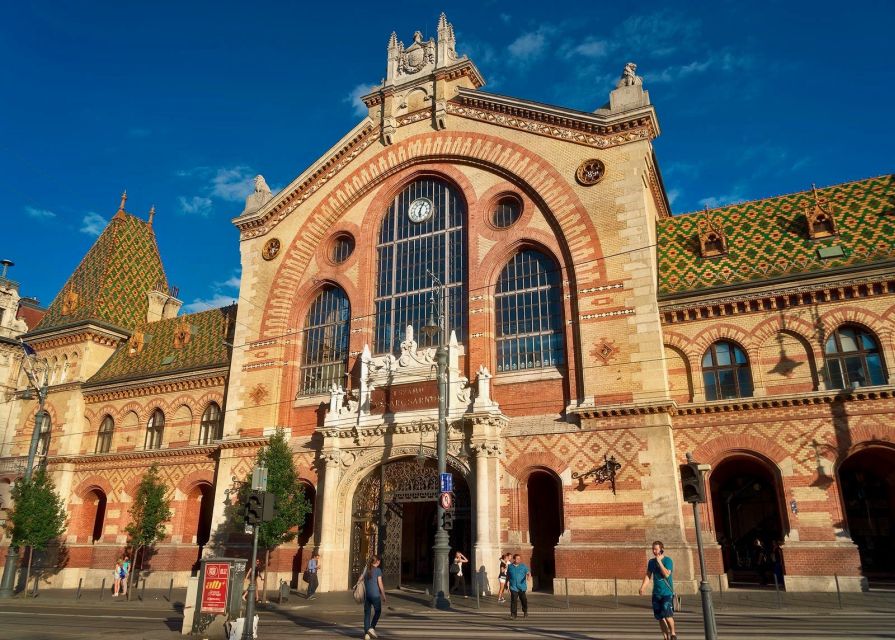
Budapest’s Art Nouveau belongs to a fascinating moment. The city was expanding, modernizing, and presenting itself as a major European capital. New apartment blocks, banks, public offices, schools, and cultural buildings needed to look modern, but Hungarian architects did not want to simply repeat French, Belgian, or Austrian ideas.
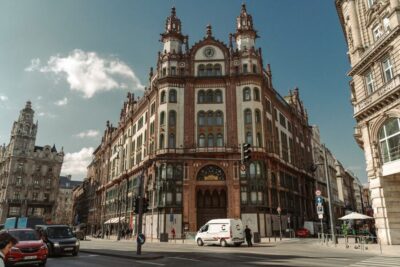
That tension created a local version of the movement. In Hungary, Art Nouveau is commonly called Secession, or szecesszió. The name reflects a break from older architectural rules. Instead of relying only on classical columns and strict symmetry, architects experimented with flowing lines, plant forms, symbolic animals, colored surfaces, and regional decoration.
I find this context useful because it changes the way you look at the city. A decorative doorway is no longer just a nice photograph. It can show how Budapest saw itself, how Hungarian culture was being defined, and how architects tried to combine modern construction with older folk traditions.
The tour also explains why so many late 19th-century buildings have highly decorated facades. Decoration was not limited to private mansions. It appeared on ordinary urban buildings because the outside of a structure communicated status, optimism, and civic pride. Your guide helps connect those choices to the period’s politics and culture without reducing the architecture to a list of dates.
More art nouveau walks in Budapest:
- Private Art Nouveau Tour Budapest
★ 5.0 · 21 reviews - Art Nouveau Treasures of Budapest – Exclusive Private Tour
★ 5.0 · 18 reviews - Budapest Art Nouveau Walking Tour
★ 5.0 · 17 reviews
Beginning at your Budapest accommodation
The guide meets you at your accommodation in Budapest. You need to provide the preferred pickup point to the local partner when booking, so do not assume that a hotel name alone will settle every detail. The walk to the first stop begins from there, and public transport may become part of the route.
This arrangement is convenient on your first full day in the city. You do not need to find an unfamiliar meeting point, and the guide can help you get oriented before the architectural discussion gathers pace. One account of the tour specifically notes an introduction to the tram and underground systems, which can be useful if Budapest is still new to you.
The pickup also lets you begin with a conversation rather than a formal lecture. You can explain what interests you most, such as architectural detail, Hungarian culture, urban planning, or photography. Since the group is private, the guide can give more time to your questions than a large scheduled walk usually allows.
Wear comfortable shoes and clothes. The tour lasts three hours, and the supplied information does not suggest that it is designed for visitors who need step-free access or frequent sitting breaks.
Reading the decorated facades of Pest
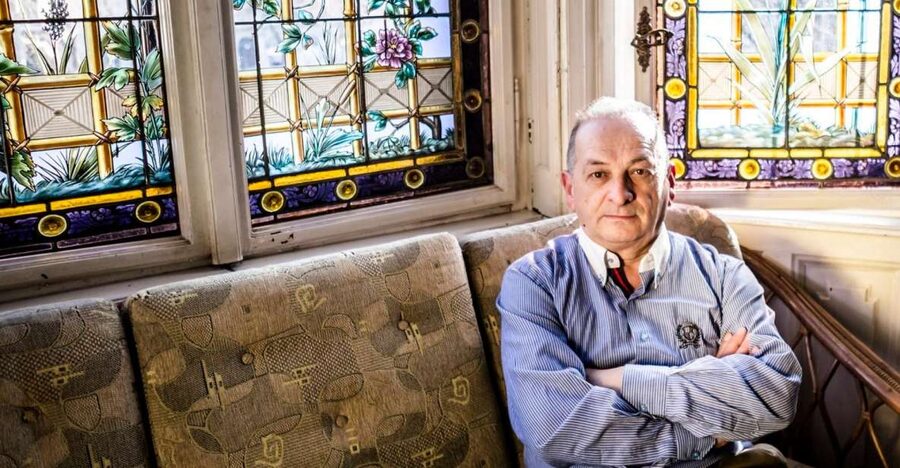
The central subject is the architecture of Pest during the late 1890s and early 20th century. You move through the city with a guide who points out details that are easy to miss when you explore alone. These may include ornamental lines, patterned surfaces, symbolic shapes, and references to nature or local craft traditions.
One useful question runs through the tour: why does a building look this way? You learn how Art Nouveau changed architectural thinking and why decoration could be part of a building’s identity rather than an afterthought.
The tour is not limited to famous landmarks. Its appeal lies in finding less obvious Art Nouveau buildings and understanding their place in the city. That is especially helpful in Budapest, where elaborate facades can appear beside more familiar sights. You get a stronger sense of how the style worked across the urban fabric rather than seeing one isolated masterpiece.
Do not expect a museum-style display of interiors unless the guide specifically confirms access. The information provided centers on buildings and facades, with the route taking place around the city. The pleasure comes from looking carefully at the streets, not from spending three hours inside one attraction.
Hungarian folk motifs in a modern style
A major part of the tour is the way Hungarian folk motifs entered Art Nouveau design. This is one of the most interesting differences between Budapest’s version of the movement and a generic European Art Nouveau lesson.
The guide explains how architects used local patterns and cultural references in modern designs. That gives you a way to distinguish Hungarian Secession from the more familiar curved lines often associated with Paris, Brussels, or Vienna. The buildings were modern, but they also helped express a specifically Hungarian identity.
This subject matters because architecture was tied to national confidence. Budapest was developing rapidly, and its buildings had to say something about the city and its people. Folk forms gave architects a visual language that felt local, even as they used new materials and new ideas.
I would pay close attention to any small decorative detail the guide points out. Large facades are easy to admire from a distance, but the local character often appears in repeated motifs, surface patterns, or the way an entrance is framed. The notebook and pen supplied with the tour can be useful here, especially if you want to record building names or sketch a pattern for later reference.
A few more Budapest half-days to weigh up
- 3-Hour Orientation Walking Tour of Buda and Pest
★ 4.8 · 1,834 reviews - Budapest: 3-Hour Grand City Tour and Castle Walk
★ 4.3 · 1,437 reviews - Budapest: 3-Hour Live Guided Sightseeing Tour
★ 4.4 · 1,041 reviews - 3 Hours Budapest Segway Grand City Tour Buda, Margaret and Pest
★ 5.0 · 255 reviews
Beehives, symbolism, and stories about architects
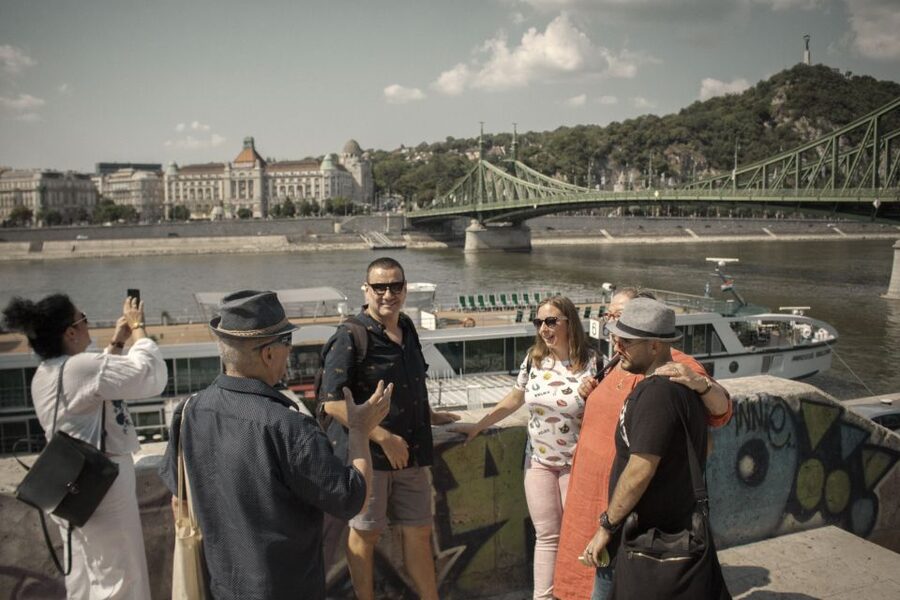
The tour includes the meaning of beehives on Budapest’s public buildings. This is the sort of detail that makes a city walk memorable. You are not merely told that a symbol exists. You learn how to notice it and what it suggests about the building’s purpose or the values of the period.
Architects also become part of the story. The tour includes personal and professional tales about the people behind the designs, helping you see architecture as the work of individuals making choices rather than as a series of anonymous facades.
That human angle can make the three hours feel more varied. One moment you may be examining a decorative feature, and the next you are hearing why a particular architect worked with folk forms or challenged older conventions. Several strong ratings describe Miklos as a clear teacher who answers questions carefully and brings in wider discussions about Hungary and its people.
Miklos is the guide named in several booking details, but the activity lists English, German, and Albanian rather than guaranteeing one particular guide for every date. If having Miklos matters to you, ask the operator when arranging the tour.
A private tour that adapts to your questions
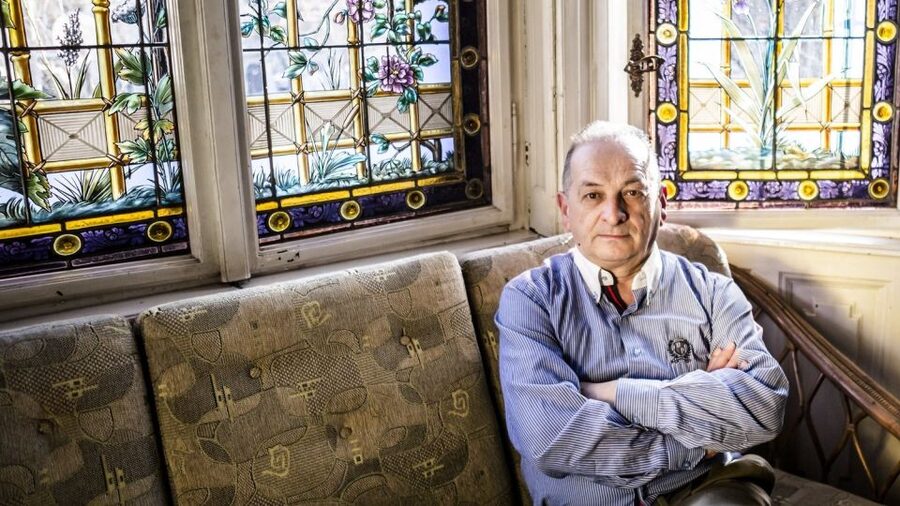
The private setup is the strongest reason to choose this experience over a standard group walk. You can ask why a building uses a certain motif, how Budapest developed, or how a local custom fits into the larger story. The guide can spend more time on a subject that interests you and less time on one that does not.
This matters particularly for architecture. Some people want technical detail about facades and materials. Others want the social story of Budapest, the growth of Pest, or an introduction to Hungarian culture. The tour is designed to cover all of these areas, and the guide can adjust the balance.
The format also suits repeat visitors. If you have already seen the major sights, this gives you a new way to read the city. First-time visitors can use it as an introduction to Budapest’s historic center, though you should not expect a broad checklist of every major landmark. The focus stays on Art Nouveau and its connection to the city’s past.
The supplied printed material, notebook, and pen add a small practical touch. They will not transform the outing, but they help if you want to note down architectural terms, names, or places to revisit.
What the three-hour route feels like
The precise sequence of buildings is not fixed in the information provided, so you should think of this as a guided architectural exploration rather than a guaranteed list of named stops. The route begins at your accommodation, continues to the first Art Nouveau sites, and may use walking along with Budapest’s tram or underground network.
The first part is likely to establish the period and the city. You learn about the great decades of Budapest, the growth of Pest, and the forces that shaped its decorative late 19th-century buildings. Once you have that framework, individual details become easier to understand.
The middle section focuses on the style itself. This is where Secession, folk motifs, architecture, and symbols such as beehives come together. You look at buildings in context, ask questions, and hear stories about the architects.
The final portion gives you time to connect the details. You may finish with a clearer idea of why Budapest looks the way it does and how its buildings reflect Hungarian culture. A three-hour length is enough to go beyond surface sightseeing without taking up an entire day.
Cold weather does not necessarily ruin the experience, but you should dress for time outdoors. One winter booking was still described as engaging despite the cold, which suggests that the guide’s storytelling carries much of the experience. Even so, comfortable shoes and suitable clothing are essential.
Is $127 per person a good value?
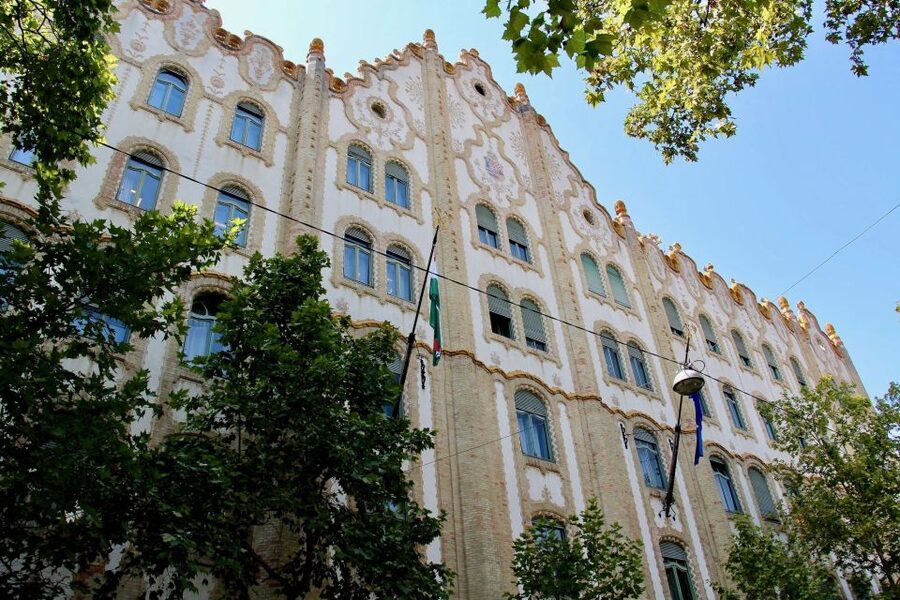
At $127 per person, this is not a budget walking tour. You are paying for a private guide, accommodation pickup, three hours of focused attention, printed material, and a subject that requires more explanation than a basic city orientation.
The price is easier to justify if you are traveling with a small private party and have a real interest in architecture. A private tour lets you ask questions freely, and the guide can connect Art Nouveau to Hungarian history and culture. That wider context gives the tour more value than a simple facade-spotting walk.
The price is harder to justify if you mainly want photographs or a quick introduction to Budapest. You can see decorated buildings from the street without paying for a specialist guide, although you will miss the explanations about Secession, folk motifs, symbols, and the architects behind the work.
I would also compare the cost with your schedule. If you have only a short time in Budapest, this tour gives you a focused subject and a personal orientation. If you have several days and already plan to visit museums and architectural sites, you may prefer to spend the money on another paid attraction.
Cancellation is flexible up to 24 hours before the activity for a full refund, and you can reserve now and pay later. Those policies reduce some booking risk, especially if your Budapest plans are still changing.
Who should book this Art Nouveau walk?
I would recommend it most strongly to:
- Architecture students, design fans, and anyone curious about decorative buildings.
- First-time visitors who want history explained through the streets rather than in a museum.
- Repeat visitors who have already covered Budapest’s major sights.
- Small private groups that enjoy asking detailed questions.
- People interested in Hungarian culture and the way national identity appears in design.
It is less suitable for anyone who wants a fast, landmark-heavy tour or has difficulty walking. The activity is not suitable for people with mobility impairments, and no food or drink is included. Plan to handle those needs before or after the tour.
The listed guide languages are English, German, and Albanian. Since the experience is private, language choice can be especially important. Confirm your preferred language and pickup details in advance.
Should you book it?
Book this tour if you want to understand Budapest rather than simply photograph it. The strongest part is the link between architecture and culture: you learn why the city’s buildings are ornate, how Hungarian folk ideas entered modern design, and what symbols such as beehives can tell you.
I would skip it if you prefer a broad highlights tour, dislike extended walking, or are mainly looking for low-cost sightseeing. At $127 per person, the value depends on using the guide’s time well. Come with questions, wear good shoes, and ask for Miklos if you specifically want to know whether he is available.
For architecture-minded visitors, this is a thoughtful way to see a less obvious side of Budapest, with enough history to make the details matter.
FAQ
How long is the Art Nouveau Tour in Budapest?
The tour lasts three hours.
Is the tour private?
Yes. It is arranged for a private group rather than a shared group.
Where does the tour begin?
The guide meets you at your accommodation in Budapest. You need to tell the local partner where you want to be picked up.
Which languages are available?
The listed guide languages are English, German, and Albanian.
Is transportation included?
Transportation is not listed as an included service. The guide meets you at your accommodation and travels with you to the first stop. The tour may include an introduction to Budapest’s tram and underground systems.
Is the tour suitable for people with mobility impairments?
No. The activity is listed as unsuitable for people with mobility impairments. Comfortable shoes and clothing are recommended.
Recently added around Budapest
- Budapest: Private Walking Tour with a Local Guide★ 3.6 · 6 reviews
- From Budapest: Guided Tour of Eger with Wine Tasting★ 4.5 · 6 reviews
- Budapest: City Bike Tour with Coffee Stop★ 5.0 · 37 reviews
- Budapest: Danube River Views Bike Ride★ 4.8 · 23 reviews
- Budapest: Vacation Photographer to collect great memories★ 5.0 · 49 reviews
- Walk to recent and aged spiritual sanctuaries near Budapest★ 5.0 · 5 reviews
- Trash Art Museum: Hungary’s First Scrap Metal Exhibition★ 4.3 · 72 reviews
- Budapest: Multilingual Highlights Tour★ 4.8 · 89 reviews
Art Nouveau Tours, compared.

Art Nouveau Treasures of Budapest – Exclusive Private Tour
Read our review →
Browse the lists this tour appears in