
Reviewed · HISTORICAL TOURS
7 Days Balkan tour to historic Croatia and Bosnia Herzegovina
This seven-day route packs a remarkable amount into one week: Croatia’s Adriatic cities, Bosnia and Herzegovina’s Ottoman-era towns, Sarajevo’s layered past, and a final Hungarian stop in Pécs. The payoff is variety. You move from Gothic churches to Roman ruins, waterfall-fed lakes, Islamic architecture and a city tied to the outbreak of World War I.
I like two things in particular. First, Plitvice Lakes gives you a proper nature break between city visits. Second, the route reaches places that are awkward to connect by public transport, especially Počitelj, Blagaj and Mostar. The main drawback is the pace. Several days involve long coach rides, border crossings and short visits, so this suits you if you prefer seeing a lot rather than settling into one place.
Key points to know before booking
- Six countries’ worth of history in one compact route: Starting and ending in Hungary, the tour covers major Croatian and Bosnian sights in seven days.
- Plitvice Lakes gets four hours: That is enough for a meaningful walk, though you will not see every trail.
- Dubrovnik is a highlight, but time is tight: The city visit lasts about two hours, with extra time needed for ticketed sights.
- A bilingual group is possible: English and Chinese passengers may share a coach when numbers are low, with one tour leader serving both languages.
- The price includes the basics: Transport, tour management, six breakfasts and private hotel rooms are covered, but many attraction tickets and daily gratuities are extra.
- Pack for frequent hotel changes: One piece of luggage up to 30 kilograms and one small carry-on are allowed.
A seven-day route built around big contrasts
At $1,160.11 per person, this is not a shoestring bus trip, but it can be a sensible buy if you want one booking to handle transport, hotels and border crossings. You get six breakfasts, an air-conditioned coach, an experienced tour manager and accommodation in at least 3-star hotels with private facilities.
The value comes from the route. Croatia and Bosnia and Herzegovina are close on a map, yet public transport connections between smaller historic towns can be slow or awkward. A coach lets you link Plitvice, the Dalmatian coast, Dubrovnik, Mostar, Sarajevo and Pécs without arranging several separate transfers.
The tradeoff is control. Hotel details arrive only 24 to 48 hours before check-in, and the overnight locations may be in or near the named city. You should expect practical hotels rather than boutique stays in the center. The exact hotel matters less here than having a bed, breakfast and a planned transfer waiting at the end of each long day.
The tour is capped at 30 people, which is manageable for a coach group but not intimate. One useful detail comes from the group setup: if an English or Chinese group is small, both may ride on the same bus. The tour leader can speak both languages. One English-speaking participant described Kenny as a fluent bilingual guide with a good sense of humor and careful attention to the group. If Kenny leads your departure, you can expect storytelling in both languages, but guide assignments are not guaranteed.
More history tours in Budapest:
- Budapest: Historic Cruise with Welcome Drink
★ 4.7 · 6,512 reviews - Budapest Historical Sightseeing – Free Walking Tour
★ 5.0 · 1,302 reviews - Buda Castle District Dark History, Legends and Vampire Night Tour
★ 4.5 · 1,240 reviews
Zagreb opens the journey with Gothic Croatia
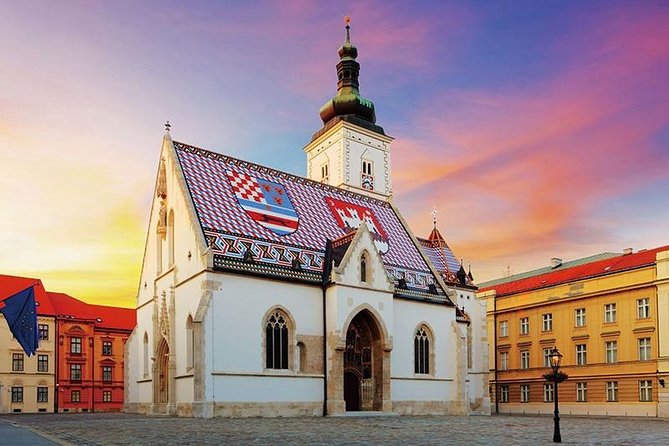
The first morning begins at Budapest-Keleti station at 8:30 a.m. From there, the coach heads toward Zagreb, Croatia’s capital. The city visit focuses on the cathedral, Ban Josip Jelačić Square and St. Mark’s Church, with about an hour assigned to each listed stop.
Zagreb works well as an introduction because its compact historic center gives you several different views of Croatian identity in a short walk. The cathedral brings Gothic decoration and religious history. Ban Jelačić Square is the city’s central meeting point, while St. Mark’s Church is known for its colorful tiled roof and position in the old upper town.
Do not assume admission to the sights is included. The itinerary lists the Zagreb stops with entrance tickets not included, so you may mainly see the exteriors unless you choose to pay for entry. This is a good day for comfortable shoes and a quick orientation rather than a full museum visit.
You spend the night in Zagreb or nearby. Since the tour starts early and later days are full, resist the temptation to plan a late evening out. The first day is also your chance to ask the tour manager about the next morning’s departure time and any border requirements.
Plitvice Lakes brings a needed pause on Day 2
Plitvice Lakes National Park is one of the strongest parts of the route. The park contains 16 connected lakes, waterfalls, wooden walkways and hiking paths. Travertine barriers form the lakes, while mineral-rich water creates the pale, reflective colors that make the park so striking.
The planned visit lasts about four hours, and admission is listed as included. That gives you enough time to walk through a substantial section of the park and enjoy the water, trees and cascades without treating the visit as a rushed photo stop.
You should still set expectations carefully. Plitvice is not a quick roadside attraction. Walkways and trails can require steady walking, and the route you follow depends on the group’s schedule and park conditions. The tour description does not promise a particular trail, boat ride or train ride, so ask the tour manager what is planned on your departure.
You overnight in Zadar or nearby. This is a sensible location because the next day combines Zadar with the drive toward Split and Neum. After the park, you may appreciate the simple comfort of a hotel more than a central address.
Zadar mixes medieval lanes with modern sound
Day 3 starts in Zadar, a city with narrow medieval streets and a strong religious character. The old center is easy to appreciate at a relaxed walking pace, but the schedule allows about an hour for the city visit.
The most unusual stop is the Sea Organ. Built into the waterfront, it uses the movement of the water to create sound. Nearby, the Sun Salutation offers a modern light display powered by solar energy. These two features give Zadar a welcome change of rhythm after Zagreb’s churches and Plitvice’s natural scenery.
Admission to the Sea Organ is not charged because it is a public waterfront installation, though the listed ticket status says admission is not included. In practical terms, your time here is about seeing and hearing the waterfront rather than entering a formal attraction.
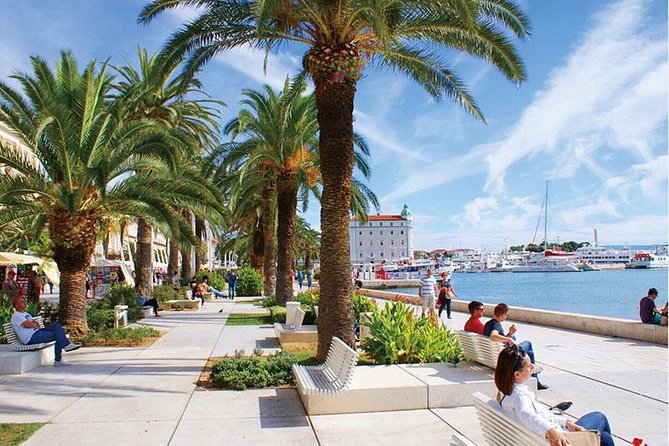
The route then continues toward Split. The Peristyle of Diocletian’s Palace is the main ancient focus. The palace dates to the fourth century and still forms part of the city’s living center, with Roman stonework woven into later buildings and streets.
The schedule gives about an hour at the Peristyle. That is enough to see the central square and understand the scale of the Roman complex, but not enough for a leisurely tour of every palace passage, museum and cellar. If Roman history is your main interest, you may wish you had more time. For a seven-day overview, the short visit gives you a useful taste.
The overnight is in Neum or nearby. Neum is in Bosnia and Herzegovina, so this is one of the days when passport checks and border procedures can affect the timetable. Keep your passport accessible, not buried under your luggage.
A few more Budapest half-days to weigh up
- Budapest: City Highlights Cruise with Welcome Drink
★ 4.6 · 35,610 reviews - Budapest: Unlimited Prosecco, Beer and Aperol Spritz Cruise
★ 4.8 · 25,310 reviews - Budapest: Széchenyi Spa Day Ticket with Optional Upgrades
★ 4.3 · 23,911 reviews - Budapest: Nighttime or Daytime Sightseeing Cruise
★ 4.2 · 21,062 reviews
Dubrovnik deserves your full attention on Day 4
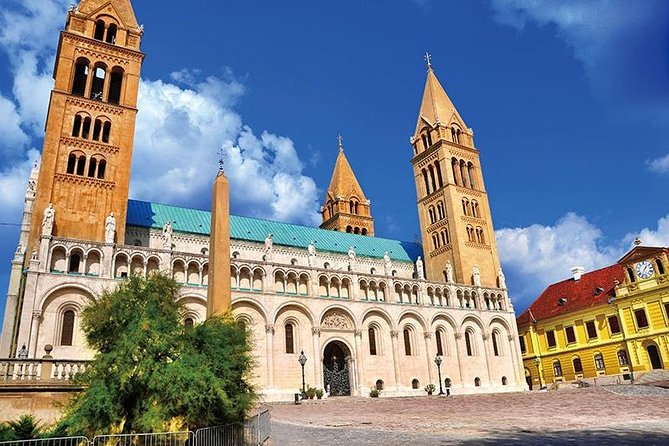
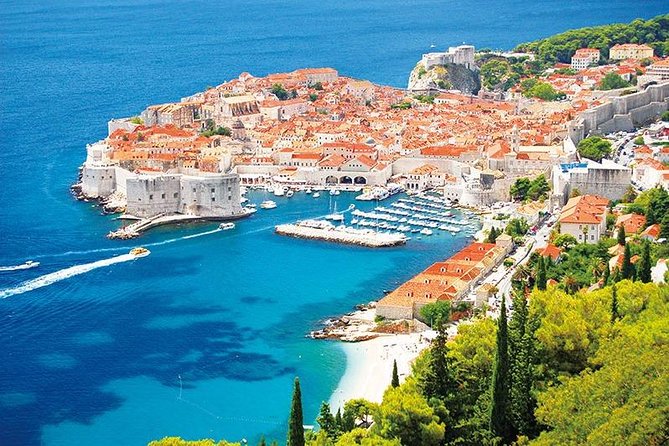
Dubrovnik is the day many people will be waiting for. The old city is enclosed by walls and packed with historic streets, defensive towers, the Rector’s Palace and the Franciscan Monastery. Its stone architecture and position on the Adriatic explain why it has served as a setting for film and television, including King’s Landing in Game of Thrones.
The scheduled Dubrovnik visit is about two hours, with the old town, Rector’s Palace and Franciscan Monastery listed separately. That sounds generous until you consider the walking distance, the crowds that can gather in the old center and the time needed for tickets.
The old town itself is the essential experience. Walk the main street, then allow yourself time to look down the side lanes and across the harbor. The Rector’s Palace adds a more formal look at the city’s political past, while the Franciscan complex brings religious art and one of the city’s best-known historic settings.
The city walls and cable car are optional, not included. Both can add a lot, but you probably cannot do everything during the allotted time. If you have never been to Dubrovnik, I would first prioritize the old town and your group meeting point. Add the walls or cable car only after confirming the schedule and ticket arrangements.
This is also a day when a local guide can make a difference. The tour has used local guides in several cities, giving you more than a bus leader’s overview. Still, the amount of free time varies, so listen closely to where and when you must rejoin the group.
Počitelj, Blagaj and Mostar reveal Bosnia’s southern heritage
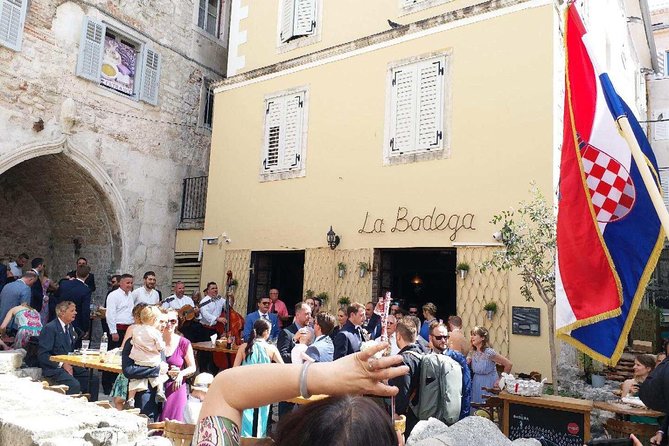
Day 5 is one of the most distinctive sections of the trip. You leave the coast and visit three very different places in Bosnia and Herzegovina: Počitelj, Blagaj and Mostar.
Počitelj is a stepped medieval village and fortress settlement. Its stone lanes climb toward the old fort, so you should expect uneven ground and some uphill walking. The setting is memorable, but the visit is short, about an hour, and the town’s steep layout makes comfortable shoes important.
Blagaj brings another kind of atmosphere. The main sight is a Dervish monastery beside clear streams and a high cliff. The combination of water, rock and religious architecture gives the stop a calm quality that contrasts with Dubrovnik’s crowded stone streets. The tour lists the visit at about an hour and admission as free.
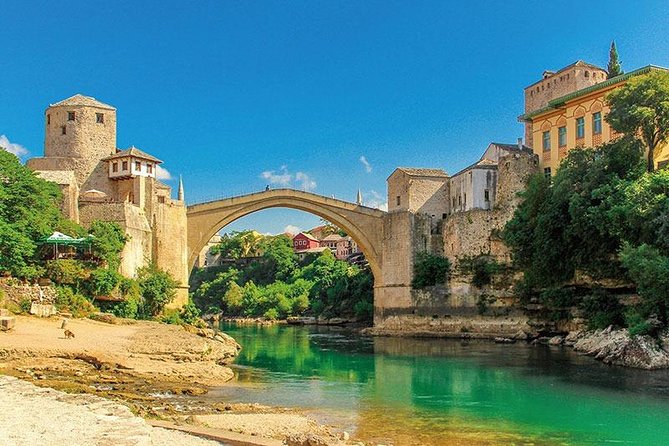
Mostar is the main event. The old city centers on Stari Most, the famous arched bridge over the Neretva River. You can cross the bridge, look back at the stone buildings on both sides and spend time in the old bridge area. The bridge is more than a pretty view. It represents the city’s Ottoman heritage and its rebuilding after wartime destruction.
The listed visit is again about an hour, with admission to the old bridge area not included. That is enough for photos, a short walk and a look at the river, but not a long museum visit or a slow meal. If Mostar matters greatly to you, pay attention to the free-time instructions and do not wander too far from the meeting point.
You spend the night in Sarajevo or nearby. This day has several stops and a border crossing may be involved, so it is wise to carry snacks and water. Breakfast is included, but other meals and personal purchases are your responsibility.
Sarajevo connects Ottoman, Austro-Hungarian and modern Europe
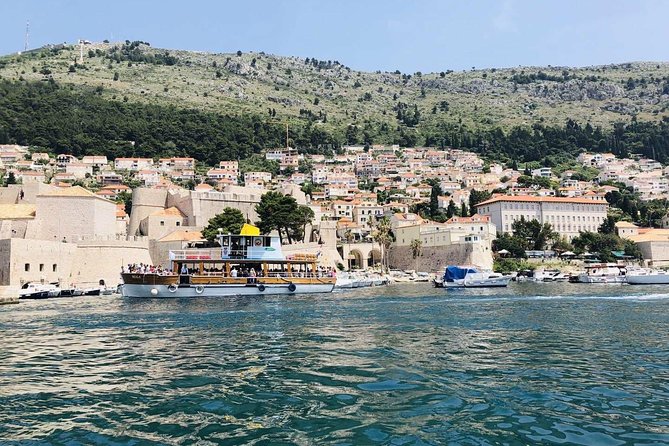
Sarajevo gives the tour its strongest historical weight. The city has long connected eastern and western cultures, and you can see that mix in the old town, religious buildings and newer architecture.
The Latin Bridge is the key named site. The assassination near the bridge in 1914 helped trigger World War I, making this a small place with global consequences. The Sarajevo Meeting of Cultures line in the old town marks a change between architectural and cultural zones, giving you a simple way to notice how the city shifts as you walk.
The scheduled city visit lasts about an hour, so you should not expect a full museum program. Instead, use the time to get your bearings, listen to the tour explanation and notice the contrast between old and new Sarajevo. The city’s recent past is also part of its identity, and the route presents Sarajevo as a place rebuilt and changed rather than frozen in one historical period.
After the visit, the coach crosses back into Croatia and continues to Vinkovci or nearby for the night. This is another long transfer day. You will need a valid passport, and it must be valid for at least six months. Visa, health and insurance rules remain your responsibility for every country on the route.
Pécs closes the loop before Budapest
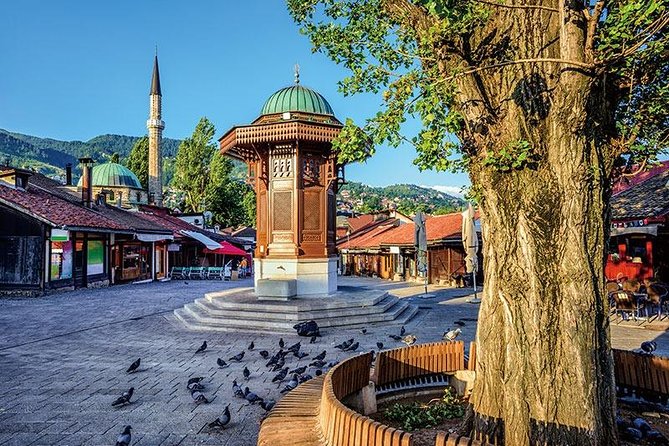
The final day returns to Hungary and stops in Pécs, a city between the Danube and Drava rivers. The program highlights Pécs Cathedral, Szent István Square, Turkish remains, museums and the city’s musical traditions.
The cathedral dominates the central square and provides an easy focal point for a short visit. The tour allows about an hour at Pécs and another hour at the cathedral and square, though the exact use of that time depends on the group schedule. Admission to the cathedral is not included.
Pécs is a thoughtful final stop because it returns you to Hungary without sending you straight back to Budapest. The Turkish remains connect the city to the wider Ottoman past you have encountered in Bosnia, while the cathedral and square bring the trip back to Central European architecture.
The coach returns to Budapest in the afternoon. An additional post-tour hotel night can be selected, but accommodation before the tour and on the last day is not included by default. If you have a morning flight after the return, book a Budapest hotel rather than relying on a same-day departure.
What is included, and what will cost extra
The package includes:
- Six nights in at least 3-star hotels
- Twin, double or single rooms with private facilities
- Six breakfasts
- Air-conditioned coach transport
- A professional coach driver
- An experienced tour manager
- Local guides in several cities, depending on the departure arrangement
You should budget extra for attraction tickets not specifically included, meals beyond breakfast, personal expenses and gratuities. The required gratuity is listed as €10 per person per day, collected in cash by the tour manager. Over seven days, that adds €70 per person.
The price also assumes standard room arrangements. A twin room is normally booked, though a double bed can be requested. A twin room can hold two adults and one child aged 2 to 11 without a separate bed. Triple rooms are not arranged for three adults, so a group of three should ask about the room setup before booking.
Who will get the most from this Balkan tour?
You should consider this trip if you want a guided overview and do not want to organize several cross-border journeys yourself. It suits first-time visitors to Croatia and Bosnia and Herzegovina, history fans who want Roman, medieval, Ottoman and 20th-century sites in one route, and solo passengers who prefer a planned group setting.
It is less suited to you if you want long museum visits, slow meals, beach time or several nights in one hotel. The schedule moves quickly, and the listed stop times show the pattern clearly: many important places receive about an hour, while Dubrovnik gets about two hours and Plitvice gets four.
The English and Chinese group arrangement is worth considering. If you want an English-only coach, confirm that before paying. If a bilingual group is acceptable, the setup can introduce you to people from different backgrounds. One passenger described making new friends and even receiving an invitation to Shanghai, which says something about the social side of a shared coach.
Should you book the seven-day route?
Book it if your priority is coverage and convenience. For the price, you get a demanding but well-connected sweep through Zagreb, Plitvice, Zadar, Split, Dubrovnik, Mostar, Sarajevo and Pécs, with transport and hotels arranged for you.
Skip it if you want to linger. Dubrovnik, Mostar and Sarajevo could each fill more time, and the long drives leave little room for spontaneous stops. Pack light, bring sturdy shoes, keep your passport handy and treat the trip as a fast-moving introduction rather than a relaxed regional holiday.
The cancellation terms allow a full refund if you cancel at least three full days before the start time. Also wait for the official tour voucher, since the downloadable booking ticket is not treated as final confirmation by the operator.
FAQ
Where does the tour start and finish?
The tour starts at Budapest-Keleti station, Budapest, Kerepesi út 2-4, at 8:30 a.m. It returns to the same meeting point in Budapest.
What countries does the route visit?
The route starts and ends in Hungary and travels through Croatia and Bosnia and Herzegovina. The listed stops include Zagreb, Plitvice Lakes, Zadar, Split, Dubrovnik, Počitelj, Blagaj, Mostar, Sarajevo and Pécs.
Are hotels and breakfast included?
Yes. Accommodation in a minimum 3-star hotel with private facilities and six breakfasts are included. Hotels may be in the named city or nearby, and hotel details are provided 24 to 48 hours before check-in.
Are attraction tickets included?
Only some are included. Plitvice Lakes National Park admission is listed as included, while several other attraction tickets, including the Zagreb, Sea Organ, Diocletian’s Palace, Dubrovnik, Mostar and Pécs entries, are listed as not included or optional.
How much luggage can I bring?
Each person may bring one piece of luggage weighing up to 30 kilograms and one small hand-carry item, such as a purse, backpack or camera bag.
Can children join the tour?
Children under 18 must be accompanied by an adult. A twin room can accommodate two adults and one child aged 2 to 11 without a separate bed. A separate adult fee may apply if that arrangement does not suit your group.
Recently added around Budapest
- Budapest: Private Walking Tour with a Local Guide★ 3.6 · 6 reviews
- Budapest: Danube River Views Bike Ride★ 4.8 · 23 reviews
- From Budapest: Guided Tour of Eger with Wine Tasting★ 4.5 · 6 reviews
- Budapest: City Bike Tour with Coffee Stop★ 5.0 · 37 reviews
- Budapest: Vacation Photographer to collect great memories★ 5.0 · 49 reviews
- Walk to recent and aged spiritual sanctuaries near Budapest★ 5.0 · 5 reviews
- Trash Art Museum: Hungary’s First Scrap Metal Exhibition★ 4.3 · 72 reviews
- Budapest: Multilingual Highlights Tour★ 4.8 · 89 reviews
Historical Tours, compared.

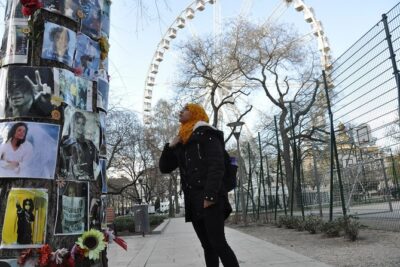
Budapest Historical Sightseeing – Free Walking Tour
Read our review →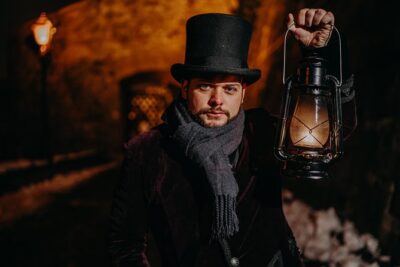
Buda Castle District Dark History, Legends and Vampire Night Tour
Read our review →
BloodThirsty Hungary: Walking tour & Dark Historical Stories
Read our review →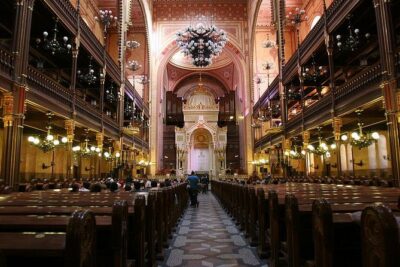
Budapest Jewish Heritage Memorial Walking Tour & Synagogue Entry
Read our review →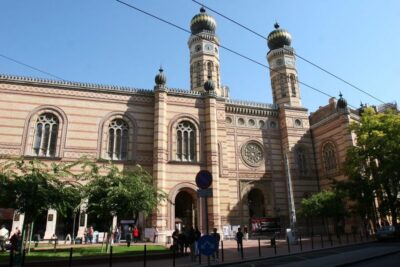
Jewish Heritage Guided Tour with Synagogue Ticket
Read our review →
Budapest Historic Downtown Bicycle Tour in small groups
Read our review →
Historic Downtown ride on E-Bicycles Buda & Pest
Read our review →Browse the lists this tour appears in