
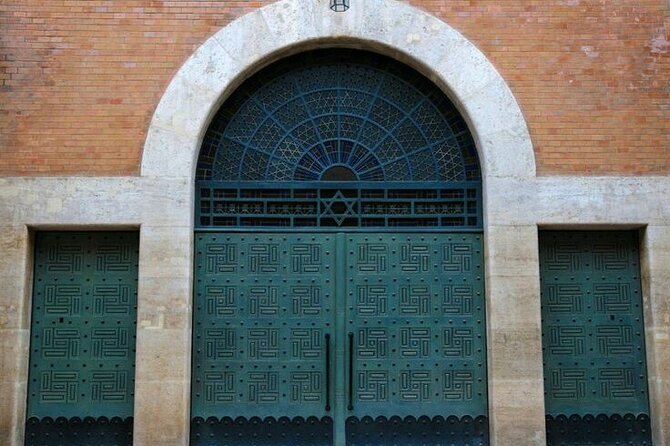
Reviewed · JEWISH HERITAGE TOURS
Budapest City Walk in Jewish Quarter
The most moving part of this walk is the way Jewish Budapest is presented as both a place of memory and a living neighborhood. You may visit the Dohány Street, Rumbach, and Kazinczy synagogues, then pass cafés, shops, courtyards, galleries, and ruin bars where daily life continues. I like the flexible route, and I like that guides such as Timea Tarjani connect Hungarian history with personal family experience. The only drawback is cost: $356.90 is a serious price for a four-hour walk, especially before entrance fees.
This tour suits you best if you want a private, thoughtful introduction rather than a quick list of dates and monuments. It involves a moderate amount of walking, and the Holocaust sections can be painful, but the guide’s attention to present-day Jewish life gives the experience a hopeful balance.
Key points at a glance
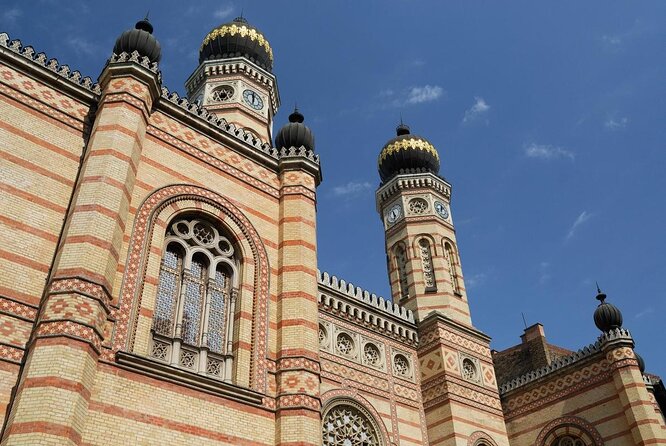
- Three very different synagogues: Compare Dohány Street, Rumbach, and Kazinczy instead of seeing only one grand building.
- Personal guiding from Timea Tarjani: Her background as a history teacher, Budapest resident, and granddaughter of Holocaust survivors adds a direct human connection.
- Memorials with real emotional weight: See the Emmanuel tree, stumbling stones, the Carl Lutz Memorial, the ghetto wall, and the Shoes on the Danube.
- A flexible private route: Spend more time on family history, WWII, architecture, food, or modern Jewish life according to your interests.
- Local Budapest between the major sights: Courtyards, small shops, cafés, galleries, the Kazinczy mikveh, and the Szimpla ruin bar add everyday texture.
- Useful practical help: Hotel pickup and drop-off are included, and the guide can help arrange restaurants or kosher food.
Why this Jewish Quarter walk feels different
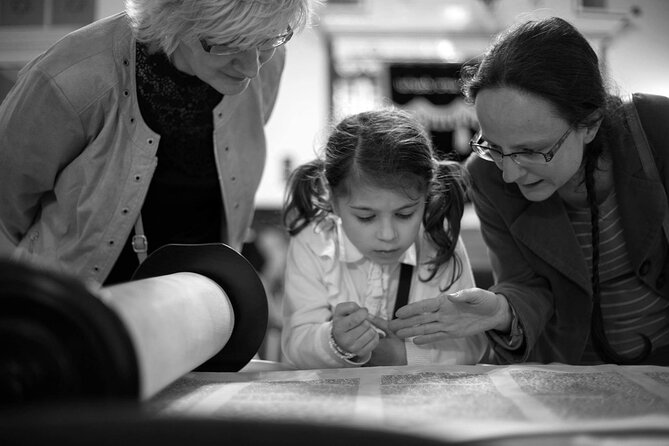
Budapest’s seventh district is compact, which makes it well suited to walking. In a short distance, you move from grand synagogue architecture to residential courtyards, from Holocaust memorials to cafés, and from old prayer spaces to modern nightlife.
That contrast is the point. The Jewish Quarter is not only an open-air memorial. It is also a working part of Pest, with people shopping, eating, worshipping, and meeting friends. A good guide helps you hold both sides together without reducing the neighborhood to either tragedy or entertainment.
This is a private tour priced at $356.90 for a group of up to six. Shared among six people, that is a much better deal than booking alone or with one other person. The supplied information also lists a maximum of 10 participants, so confirm the exact group arrangement when booking if your party is larger than six.
The tour runs for about four hours. Hotel pickup is offered from the lobby of your hotel or in front of a rented apartment, and you can finish with a restaurant drop-off if arranged. That is handy in Budapest, where a long walking morning can leave you ready for lunch rather than another tram ride.
More Jewish heritage walks in Budapest:
- Budapest Jewish Heritage Memorial Walking Tour & Synagogue Entry
★ 5.0 · 568 reviews - Budapest: Jewish Heritage Guided Tour with Synagogue Ticket
★ 4.8 · 533 reviews - Jewish Quarter of Budapest Walking Tour
★ 4.7 · 369 reviews
Meeting the synagogue triangle
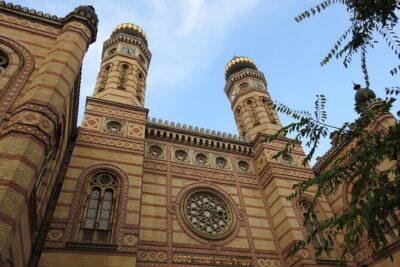
The route can begin in different places, so your exact order may change. The central architectural story usually includes the Dohány Street Synagogue, Rumbach Street Synagogue, and Kazinczy Street Synagogue.
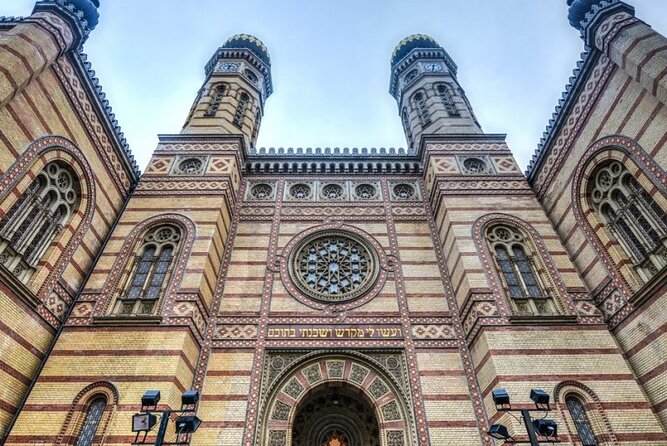
Dohány is the grandest of the three and one of the defining Jewish landmarks of Budapest. It gives you the broad setting: the size and importance of the Jewish community before the Holocaust, the role of worship in city life, and the scale of the losses that followed. It is also the synagogue most likely to appear on a first-time Budapest itinerary, so having a guide explain the building and its surroundings adds much more than simply taking a few photographs.
Rumbach offers a different architectural mood. Seeing it alongside Dohány helps you understand that Budapest’s Jewish community was never one uniform group. Different traditions and congregations used different spaces, and the buildings reflect those distinctions.
Kazinczy brings another layer to the story. The area includes the mikveh, or ritual bath, and the quarter’s Orthodox Jewish heritage. The synagogue triangle works best as a comparison. Instead of treating each building as an isolated stop, you can see how religious practice, community identity, and city architecture fit together.
You should budget for admission if you want to enter the synagogues. The maximum additional entrance cost is listed as €46 per person, though you may choose to visit only one synagogue and discounted rates may apply for families and seniors. Ask your guide to help you decide which interior matters most to you. If budget is a concern, this is the main extra expense to plan for.
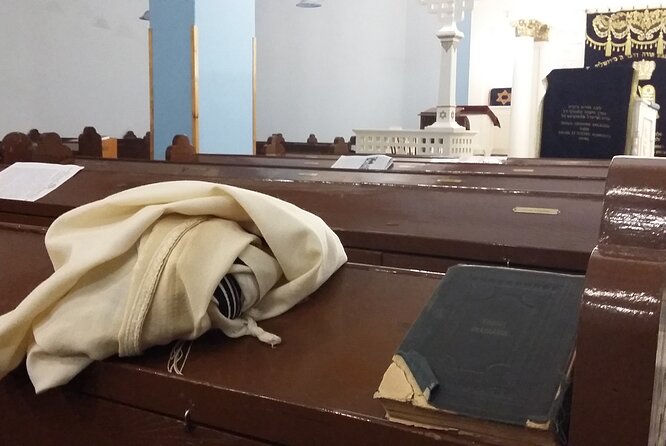
Synagogues require suitable clothing. Bring your own hat or cap and a scarf if you do not want to use the pieces provided at the sites.
Memorials that explain Budapest during WWII
The WWII and Holocaust portion of the walk is serious, but it is also one of its strongest features. You may see the Raoul Wallenberg Memorial Garden and its Emmanuel tree, whose leaves carry names connected with victims. The memorial is designed to make mass loss personal, one name and one family at a time.
The Carl Lutz Memorial recalls the Swiss diplomat who helped protect Jewish people during the Nazi occupation. The story adds a difficult but important reminder: individual action mattered, even when the larger situation was catastrophic.
Look down as you walk. Stumbling stones set into the pavement mark former homes and the people who were taken from them. These small markers are easy to miss without a guide. Their power comes from appearing in ordinary streets, beside doorways and daily routines rather than only inside a museum.
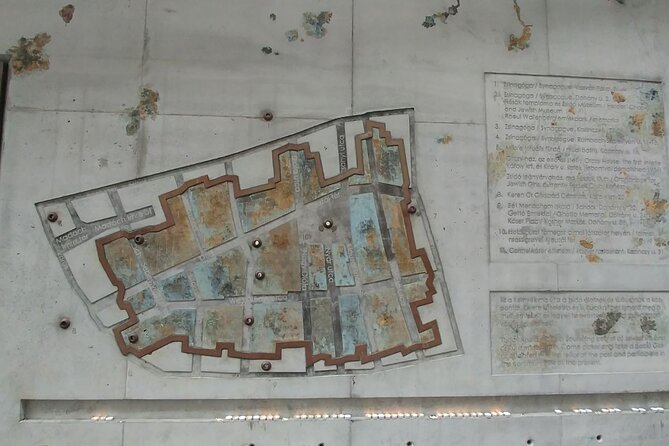
The last remaining section of the WWII ghetto wall is another stop that benefits from local access. One account of the tour describes seeing parts of the wall that are not obvious from the street and may be locked or private without the right keys. Do not assume you can visit every part independently, but this is exactly the sort of detail that can make a guided walk worthwhile.
The Shoes on the Danube is outside the central quarter, on the riverbank. Its cast-iron shoes recall Jews who were forced to remove their shoes before being shot at the river during the war. It is a simple memorial, and the simplicity makes it hard to forget. If your route includes it, expect the tone of the walk to become especially quiet.
From painful history to Jewish life today
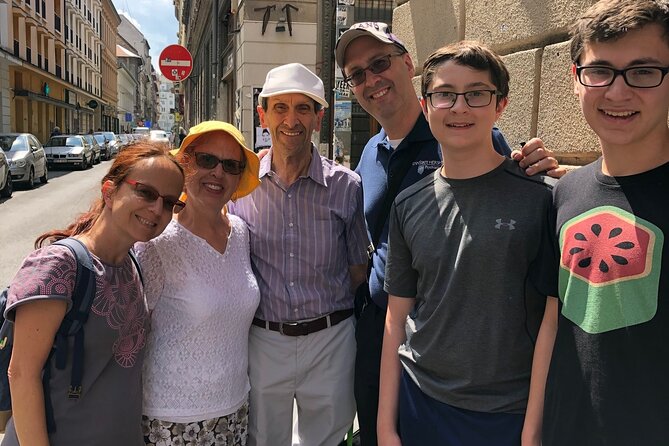
A major strength of this experience is that it does not stop in 1945. You also hear about the Jewish community in Budapest today. That matters because visitors can easily leave with the false impression that Jewish life ended with the Holocaust or with the fall of communism.
The guide may discuss current community life, religious practice, family connections, and the ways Jewish identity continues in the city. Timea Tarjani is described as active in the Jewish community and as someone who has carried her Jewish faith through family life. Her personal perspective can make the present-day part feel grounded rather than added as a polite footnote.
This is also where the guide’s personal history can shape the walk. Timea is a history teacher, a long-time Budapest resident, and a granddaughter of Holocaust survivors. Those facts do not replace documented history, but they can help connect public events with family memory and life under communist rule.
You should still expect a conversation, not a formal academic lecture. The tour aims to use stories as well as facts, and the guide can adjust the pace when your group has questions. Families with teenagers may appreciate that approach. One guide was able to keep two teenagers interested while explaining both Jewish Budapest and the wider city.
More walking tours in Budapest:
- Budapest: Buda Castle Walk with Saint Stephen’s Hall
★ 4.5 · 3,012 reviews - Big Bus Budapest Hop-On Hop-Off Bus and Walking Tour
★ 3.5 · 2,206 reviews - Budapest: Buda Castle District Walking Tour
★ 4.6 · 2,108 reviews - Budapest City Landmarks Walking Tour in 2 Hours
★ 5.0 · 2,048 reviews
Courtyards, cafés, and the everyday quarter
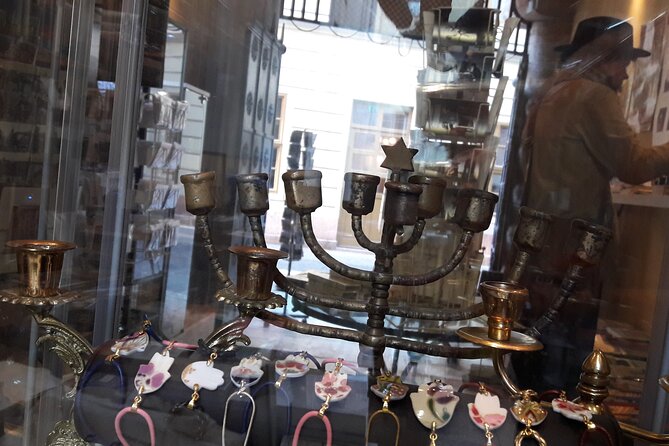
The Jewish Quarter is now famous for its ruin bars, but this tour places them in a wider setting. You may pass through Gozsdu Courtyard, peek into small shops, stop near confectioneries and cafés, and see galleries or festival spaces. These places show how the district functions today.
Szimpla, the iconic ruin bar, is an obvious example. It is worth seeing, but the point is not simply to check off a nightlife address. Your guide can explain how the quarter’s old buildings, courtyards, and changing businesses became part of Budapest’s social scene.
The Kazinczy area also includes local eateries and the mikveh. If food is important to you, ask for recommendations during the walk. The guide can recommend and book a table at a local restaurant on the tour day or another day of your stay. Kosher meals and snacks can also be arranged if requested.
Food and drinks are not included in the tour price. That is worth remembering when comparing the total cost. The restaurant help is a useful service, but your meal remains an extra expense.
The everyday stops keep the walk from becoming too solemn. You can pause for a question, notice how residents use the streets, or take a break when needed. The information specifically allows you to ask for rest stops, which matters on a four-hour route.
A private guide changes the pace
The tour is designed to be flexible. If you care most about synagogue design, you can spend longer on architecture. If your family is tracing Hungarian Jewish roots, you can ask for more context about community life and the Holocaust. If you prefer a broad first look, the guide can keep moving and cover more of the quarter.
That flexibility is the chief reason to pay for a private tour. A large group must follow a fixed schedule. Here, you can ask questions as they arise, skip a stop that does not suit your interests, or linger at a place that feels important.
The strongest praise for this experience centers on the guides’ warmth and personal attention. Timea is repeatedly described as friendly, patient, and easy to talk with. Some groups found the four hours passed quickly, and one group continued for several extra hours. Treat that as an example of possible flexibility, not a guaranteed extension. The advertised duration is approximately four hours.
English is the offered language. Confirmation is provided at booking, and the tour is available daily according to the supplied details. The opening-hours information lists Monday from 9:00 a.m. to 2:00 p.m. for the period January 1, 2026, through January 2, 2027, so check the exact start time before you set your day around it.
Is $356.90 good value?
The price makes sense for a group that will use the private format. Six people sharing the cost pay roughly $59.50 each before synagogue admission, which is reasonable for four hours of a private walk with hotel pickup and drop-off. For one or two people, the per-person cost is much higher.
You are also paying for planning help, a licensed local guide, and access to a route that may include less obvious places. The potential value is highest if you want interpretation, conversation, and a tailored route rather than transportation from one sight to the next.
The price is less attractive if you plan to visit only one synagogue, prefer to explore independently, or have little interest in WWII history and Jewish life. Budapest has many inexpensive walking options, so this tour earns its cost through depth and personal attention, not through the number of sights alone.
The listed rating is 5 out of 5 from 218 evaluations, with 100 percent recommending it. That record supports the tour’s strong reputation, but you should still match the format to your own interests. A deeply personal history walk is not the right fit for every holiday morning.
Who should book this walk?
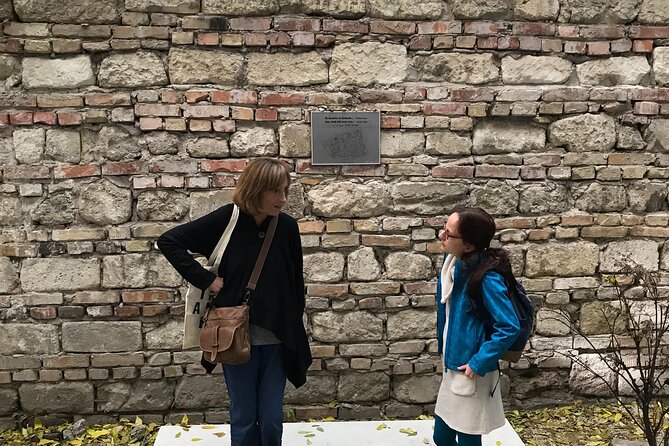
I would choose this tour for families exploring Jewish heritage, visitors with Hungarian ancestry, and anyone who wants a serious introduction to Budapest’s Jewish past and present. It also suits people who prefer asking questions instead of listening quietly in a large group.
It can work well for teenagers because the route includes architecture, food, city life, memorials, and stories rather than only dates. The guide’s personal style may help younger participants stay engaged.
You should think twice if you dislike walking, though a moderate fitness level is all that is required and breaks are possible. The subject matter is also emotionally difficult. The guide aims to keep the experience humane and hopeful, but the Holocaust memorials are not light sightseeing.
Service animals are allowed, and the route is near public transportation. The tour is offered in English. Hotel pickup removes some of the morning’s logistics, but you should still wear comfortable shoes and plan for several hours on foot.
Should you book the Budapest Jewish Quarter walk?
Book it if you want to understand how Budapest’s Jewish Quarter became what it is today, not simply photograph its best-known buildings. The combination of three synagogues, WWII memorials, ghetto remains, local streets, and modern Jewish life gives you a fuller view than a short monument stop.
I would especially consider it if Timea Tarjani is available and you value a guide who can connect history with family experience. Her background and warm, conversational approach are central to the appeal.
Skip it if you want a cheap, fast overview or if synagogue admission and a four-hour walk do not fit your budget. For the right audience, though, this is one of the more meaningful ways to spend a morning in Pest.
FAQ
How long does the Budapest Jewish Quarter walk last?
The tour lasts approximately four hours. You can ask for a break during the walk.
What is included in the price?
The price includes a professional licensed local guide, hotel pickup and drop-off, or restaurant drop-off for lunch or dinner. The guide can also recommend and book a local restaurant and arrange kosher meals or snacks if required.
Are synagogue entrance fees included?
No. Entrance fees are extra. The maximum listed additional cost is €46 per person, and you can choose to visit only one synagogue. Family and senior discounts may be available.
Which synagogues might I see?
The route may include the Dohány Street Synagogue, Rumbach Street Synagogue, and Kazinczy Street Synagogue. The exact route is flexible.
Where does hotel pickup take place?
Pickup is from the lobby of your hotel or in front of your rented apartment or other accommodation.
Is the tour private?
The tour price is for a group of up to six people. The supplied information also gives a maximum group size of 10, so confirm the arrangement if your party is larger than six.
What should I wear for the synagogues?
Bring your own hat or cap and scarf if you do not want to use the pieces provided by the synagogues.
Can I cancel the tour?
Yes. You can cancel up to 24 hours before the experience start time for a full refund. Cancellations or changes made less than 24 hours in advance are not refunded or accepted.
Recently added around Budapest
- Budapest: Private Walking Tour with a Local Guide★ 3.6 · 6 reviews
- From Budapest: Guided Tour of Eger with Wine Tasting★ 4.5 · 6 reviews
- Budapest: City Bike Tour with Coffee Stop★ 5.0 · 37 reviews
- Budapest: Danube River Views Bike Ride★ 4.8 · 23 reviews
- Walk to recent and aged spiritual sanctuaries near Budapest★ 5.0 · 5 reviews
- Budapest: Vacation Photographer to collect great memories★ 5.0 · 49 reviews
- Trash Art Museum: Hungary’s First Scrap Metal Exhibition★ 4.3 · 72 reviews
- Budapest: Multilingual Highlights Tour★ 4.8 · 89 reviews
Jewish Heritage Tours, compared.
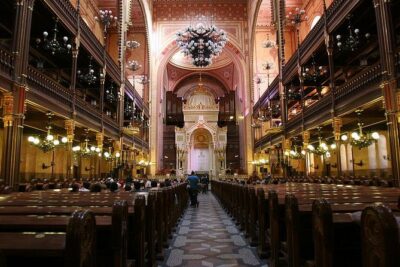
Budapest Jewish Heritage Memorial Walking Tour & Synagogue Entry
Read our review →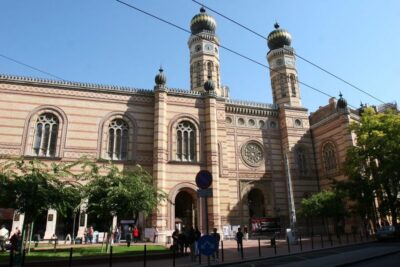
Jewish Heritage Guided Tour with Synagogue Ticket
Read our review →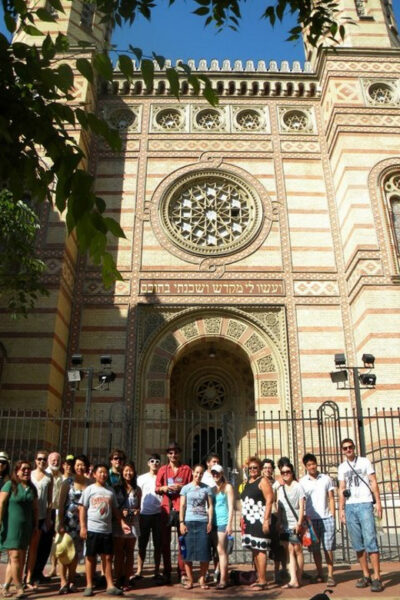
Past and Present of Budapest Jewish District Tour
Read our review →
Budapest Dohany Synagogue & Hungarian Jewish Museum & free extras
Read our review →
Jewish History Guided Walking Tour with Historian
Read our review →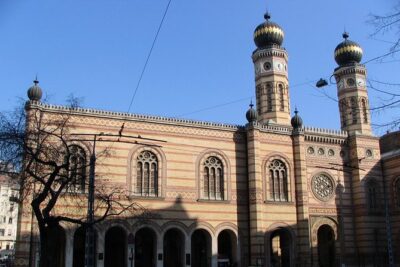
Budapest Dohany, Heroes’, Rumbach synagogues & Jewish Ghetto Tour
Read our review →Browse the lists this tour appears in