
Reviewed · COOKING CLASSES
Budapest: Cooking School – Hungarian Menu & Local Market
The best part of this Budapest experience happens before the cooking begins. You meet at the Central Market Hall, taste Hungarian snacks, and learn what paprika, kolbász, körözött, and other everyday ingredients mean in local cooking. I especially like the market-to-kitchen format and the fact that you actually prepare the meal instead of watching a chef do all the work.
I also like the small group limit of 10, which leaves room for questions and shared kitchen work. The main drawback is the price, $170 per person, which is a serious outlay for a four-hour activity. You should also double-check the meeting point before setting out, since one participant initially found the location details confusing.
Key points to know before booking
- Start at Central Market Hall: Meet in front of the market at the Burger King, then explore Hungarian ingredients with your chef.
- Eat before you cook: The market visit includes samples such as kolbász and körözött, plus a small breakfast.
- Cook a full meal: You prepare a traditional Hungarian three-course lunch, not just one demonstration dish.
- Expect familiar Hungarian classics: Past menus have included creamy potato soup, chicken paprikash, and sour cherry pie.
- Small English-speaking class: The group is limited to 10 people, with time to ask questions and work beside the chef.
- Drinks and recipes are included: You get soft drinks, coffee, tea, wine with lunch, recipes to take home, and Hungarian spirits during the day.
Why the market visit matters
Budapest’s Central Market Hall is more than a convenient meeting place. It gives you a quick introduction to the ingredients that shape Hungarian home cooking before you pick up a knife or turn on a stove.
Your chef guides you through the market and explains common Hungarian foods and traditions. The tasting portion includes small servings of kolbász and körözött. Kolbász is Hungarian sausage, while körözött is a seasoned cheese spread. These are simple foods, but they help you understand the salty, smoky, creamy, and paprika-led flavors that appear later at the cooking school.
The market stop also includes a little breakfast, so you do not need to arrive after a large meal. The experience has a useful rhythm: look, ask, taste, then cook. You are not simply being told that paprika matters. You see the ingredients, learn how they are used, and then work with them yourself.
Allow some care at the meeting point. The stated location is in front of Central Market Hall at the Burger King. One participant had first expected to meet at Lehel tér and needed help finding the correct market. I would check the exact location with Chefparade before the morning begins, especially if you are unfamiliar with Budapest’s market halls or public transport.
More cooking classes in Budapest:
- Budapest Cooking Class & Market Tour with Local Guide & Wines
★ 5.0 · 553 reviews - Premium Hungarian Home Cooking Experience with Chef Marti
★ 5.0 · 169 reviews - Hungarian Cooking and optional Local Market Tour
★ 4.5 · 98 reviews
From Central Market Hall to the Chefparade kitchen
After the market tour, transport from the market to the cooking school is included. This keeps the experience tidy and saves you from finding the school on your own while carrying your morning snacks and trying to follow a map.
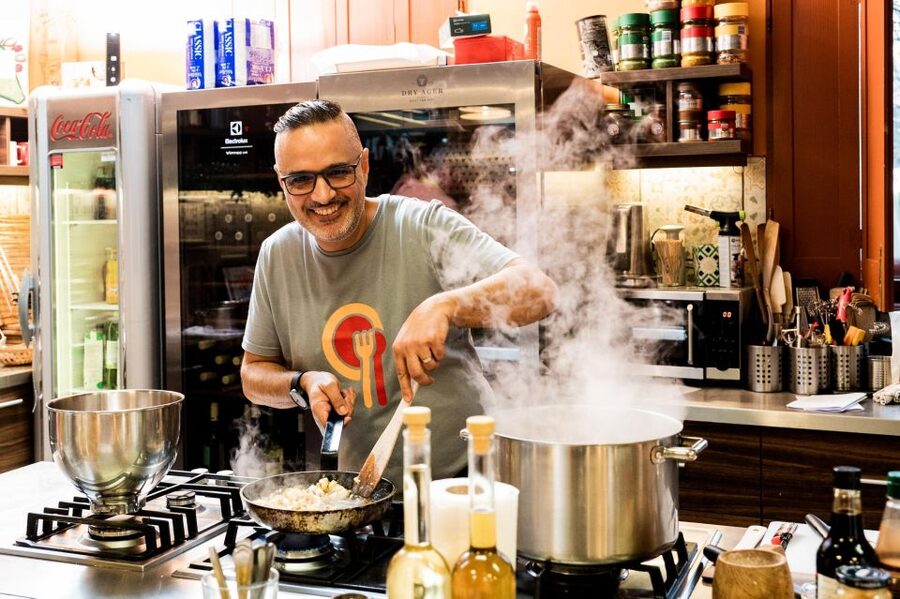
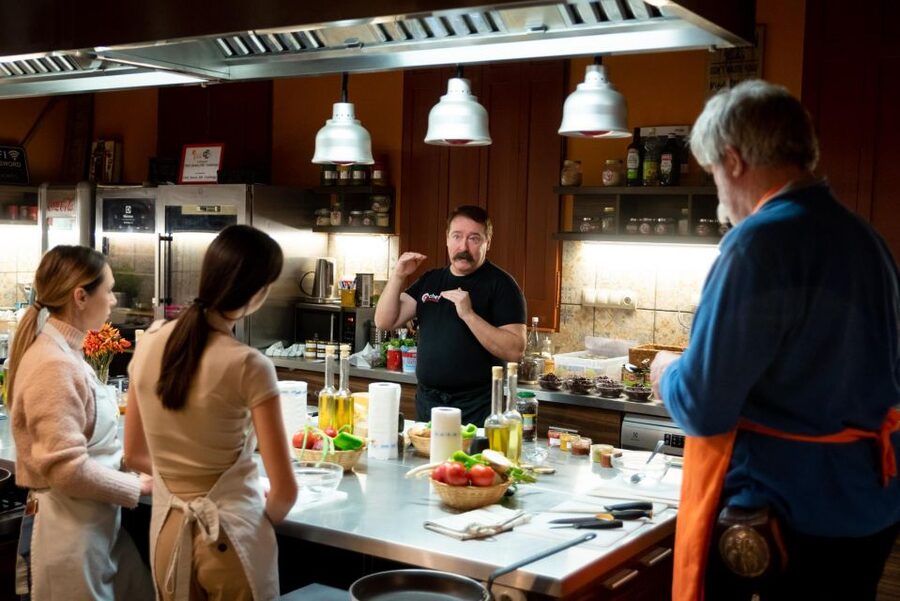
Chefparade is described as a contemporary cooking studio with proper equipment and a clean, well-stocked kitchen. The setting is designed for participation. You work beside the chef, rather than sitting at the back while someone performs a polished demonstration.
That difference matters. In a hands-on class, you can ask why a particular spice is used, how a dish should look at each stage, and what to do when making it at home. The English-speaking format also makes it easier to ask about food customs, ingredient names, and cooking habits without relying on guesswork.
The class has included chefs named Vesna, Sylvie, and Aggie at different times. The exact chef can vary, but the teaching style described for the experience is informal and practical. Aggie was praised for keeping the kitchen organized and the pace comfortable. Vesna led a class that prepared potato soup, chicken paprikash, and sour cherry pie. Sylvie handled the market portion and also helped clear up the meeting-point confusion for one participant.
What you actually cook
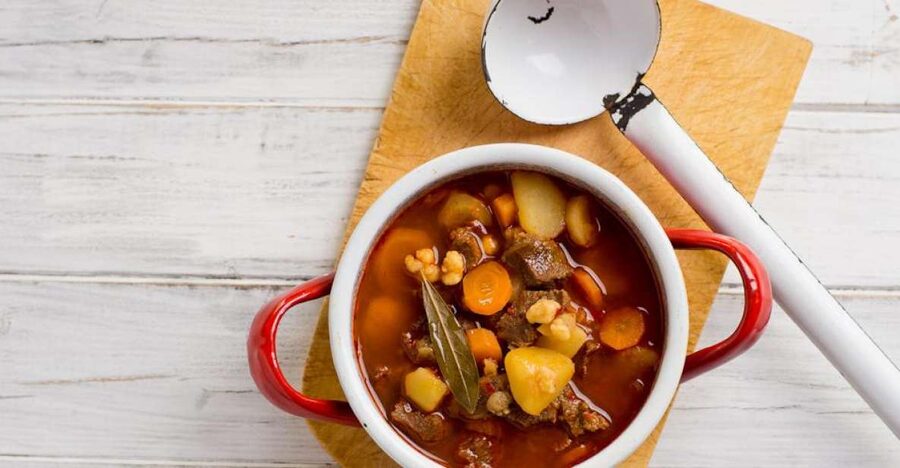
The menu is a traditional three-course Hungarian meal. The exact dishes can vary, so you should not assume that every date will feature the same recipes. One documented menu included:
- Tejfölös krumplileves, a creamy potato soup
- Csirkepaprikás, chicken paprikash
- Meggyes pite, sour cherry pie
This is a useful menu for a first taste of Hungarian cooking. The soup introduces the country’s comforting, paprika-friendly style without being too heavy. Chicken paprikash is the main lesson, showing how a few basic ingredients can produce a strongly flavored sauce. Sour cherry pie gives the meal a sweet finish and adds a fruit-based dessert to the program.
The value is not just in eating these dishes at lunch. You receive the recipes to take home, so you can try them again after your trip. That makes this more useful than a restaurant meal if your goal is to bring a piece of Budapest into your own kitchen.
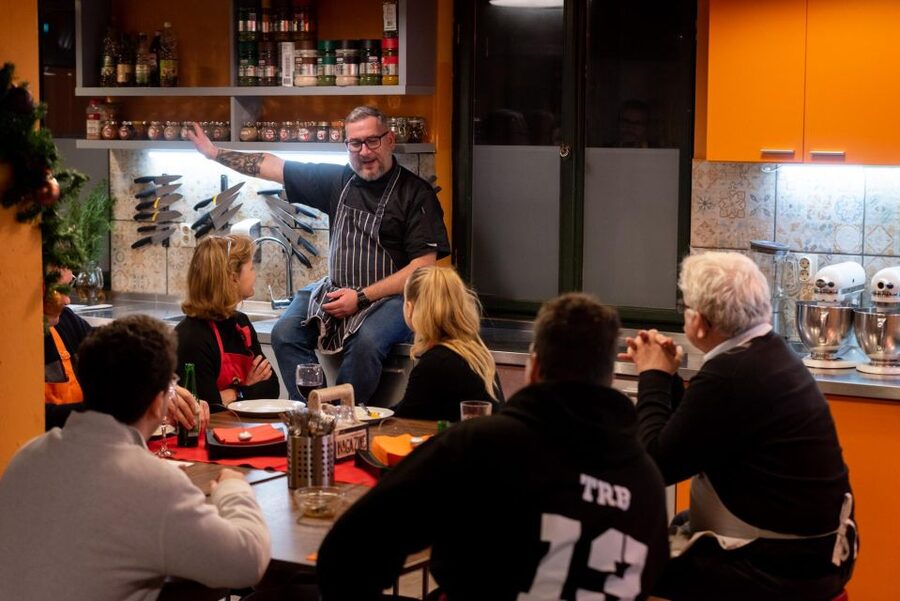
You should also expect shared work. A small class means you may prepare food with the other people in your group, divide tasks, and eat together afterward. This can be part of the appeal, but it also means the experience is social rather than private. If you want one-on-one instruction or a quiet cooking session, this may not be the right format.
Hungarian spices, drinks, and table traditions
Paprika gets the attention in Hungarian cuisine, and the class covers basic spices and ingredients along with cooking methods. The benefit is practical: you learn how Hungarian flavors are built instead of simply hearing a list of food names.
The welcome drinks add a local touch. You taste a fruity pálinka on arrival, and the program includes Unicum before lunch. These are strong Hungarian spirits, so take the tasting seriously rather than treating them as ordinary refreshments. The description does not specify the pour size, so you should expect a tasting rather than a full drink.
During the class, unlimited soft drinks, coffee, and tea are included. Lunch comes with a glass of wine. These details help explain some of the price, especially since the program includes food at the market, transport to the school, the cooking session, and a complete lunch.
If you do not drink alcohol, the nonalcoholic choices mean you can still take part in the cooking and meal without needing to join the spirit tastings. Dietary needs should be raised with Chefparade in advance. The operator says it can work with you on a suitable menu, but you should not wait until the morning of the class to mention an allergy or restriction.
More market walks in Budapest:
- Budapest Food Tour: Market to Tavern with 14+ Tasters & Wines
★ 5.0 · 434 reviews - Budapest: Hungarian Cuisine in the Market Hall (german)
★ 4.8 · 146 reviews - Budapest: Hungarian Cooking Class and Market Walk
★ 5.0 · 91 reviews - Easy Cooking Class Budapest – with Market Walk (local wine & pálinka included)
★ 5.0 · 62 reviews
How the four hours feel
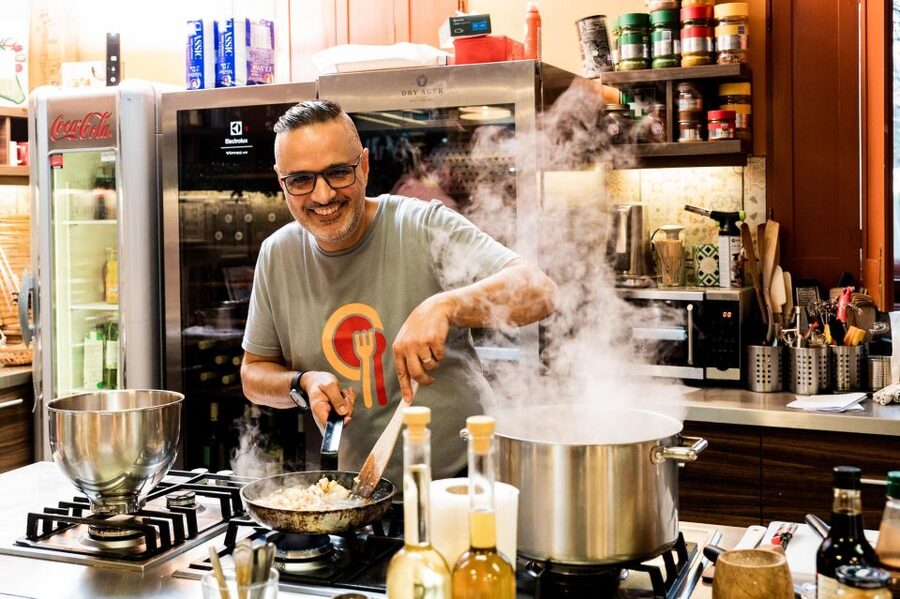
The total duration is four hours, usually in the morning and finishing with lunch. That timing works well for a Budapest sightseeing plan because you still have the afternoon available.
The morning has four clear parts:
- Meet at the Central Market Hall.
- Tour the market and taste Hungarian appetizers.
- Transfer to Chefparade Cooking School.
- Cook and eat a three-course lunch.
The schedule is substantial without being an all-day commitment. The cooking portion is long enough to ask questions and work through several dishes, while the meal at the end gives the class a natural finish.
The pace appears comfortable rather than rushed. One participant specifically found the kitchen well organized and said there was enough time to cook properly. That is important for beginners. A class that moves too quickly can leave you with a recipe but no real sense of how the dish came together.
The group size also affects the experience. With no more than 10 people, you are likely to have a role in the preparation. It is not a private class, though, and the amount of direct attention you receive depends on the group and the tasks that day.
Is $170 a fair price?
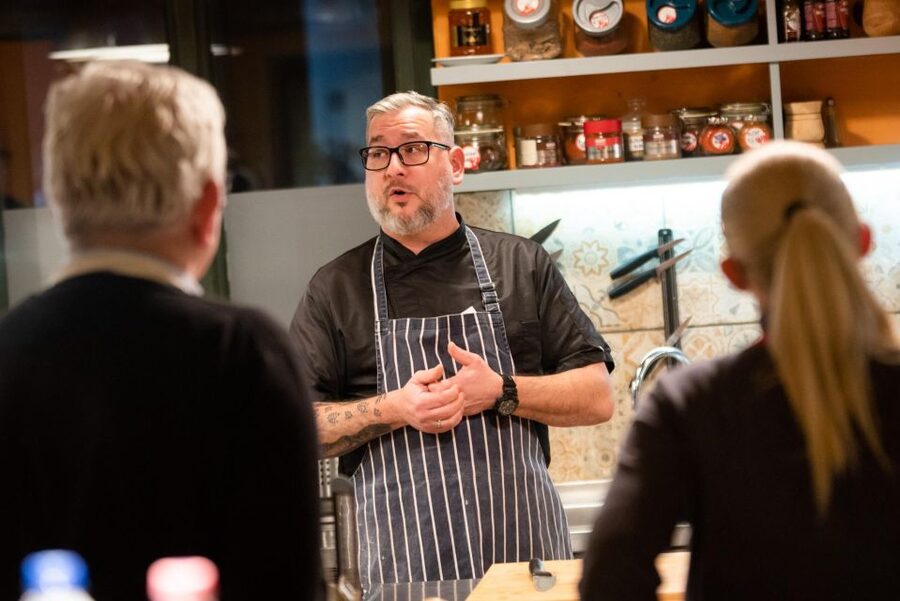
At $170 per person, this is not a budget activity. You can eat a good Hungarian lunch in Budapest for much less, and a market visit on its own costs little. The value comes from combining several elements into one organized morning.
Your fee covers the guided market tour, food samples, transfer to the school, cooking instruction, a three-course lunch, soft drinks, coffee, tea, wine, recipe handouts, aprons, and spirit tastings. You are also paying for a small group and for a chef who can explain the food while you work.
I would consider the price reasonable for someone who places a high value on participation and wants a useful food memory to take home. It makes less sense if you only want to sample Hungarian cuisine or if you are mainly looking for a cheap meal.
The recipe sheets improve the long-term value. You can recreate the dishes for family or friends, and the class gives you context that a restaurant menu cannot. Still, the price remains the main point to consider. For a couple or family, the total can rise quickly.
Who will enjoy this cooking class most
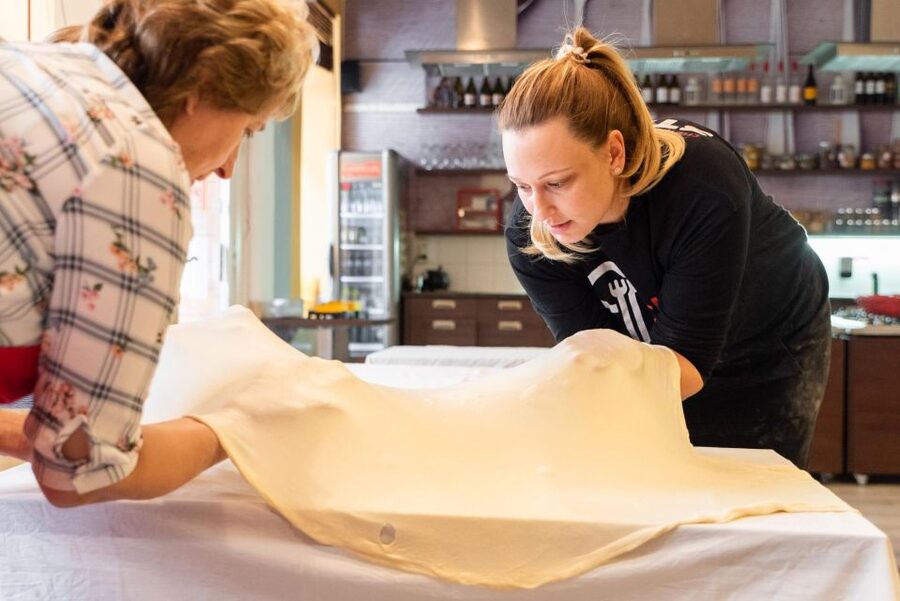
This suits you if you like food, enjoy asking questions, and want a planned activity with a local focus. It is also a good choice for a rainy Budapest morning, since much of the program takes place inside the market and cooking school.
The class works especially well for:
- First-time visitors who want an introduction to Hungarian food
- Confident beginners who want to learn dishes they can repeat at home
- Couples, families, and small groups who enjoy cooking together
- People who prefer active experiences to passive sightseeing
- Anyone curious about paprika, Hungarian sausages, cheese spreads, and local spirits
It may be less suitable if you have a very limited budget, dislike group activities, or want a class focused on advanced technique. The experience is built around traditional home-style cooking and good company, not professional culinary training.
Practical details that can affect your morning
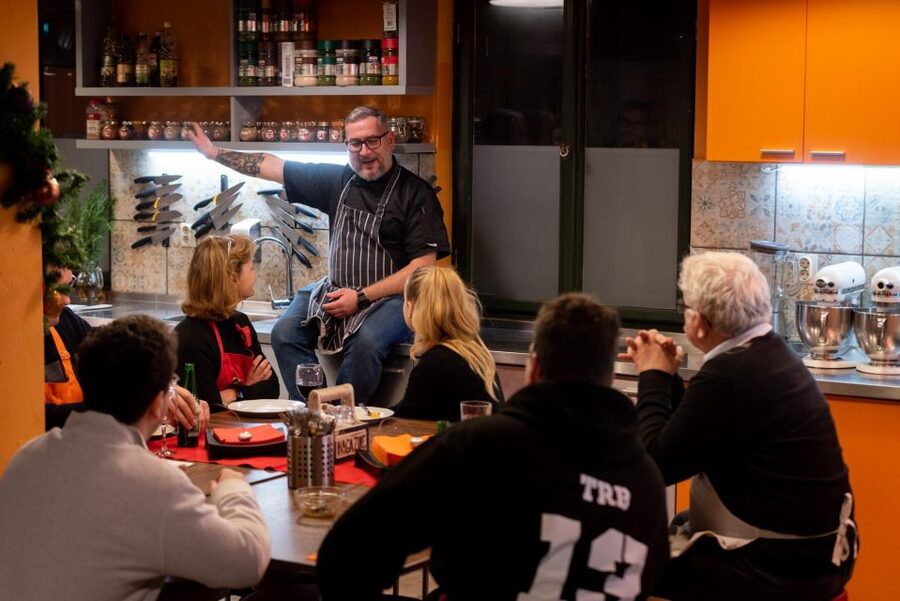
The instruction is in English. The group limit is 10 people, and aprons are provided. You do not need to bring cooking equipment.
The meeting point is in front of Central Market Hall at the Burger King. Since one participant had trouble with an incorrect expectation about Lehel tér, confirm the location before you leave your hotel. That small check can prevent a stressful start.
The activity offers free cancellation up to 24 hours before the scheduled start, and you can reserve now and pay later. Starting times vary, so check availability for your date.
Dietary requests should be sent to the operator before booking or as soon as possible afterward. Chefparade says it can work with you on a menu that suits your needs, but the supplied information does not specify every allergy or dietary option.
Should you book it?
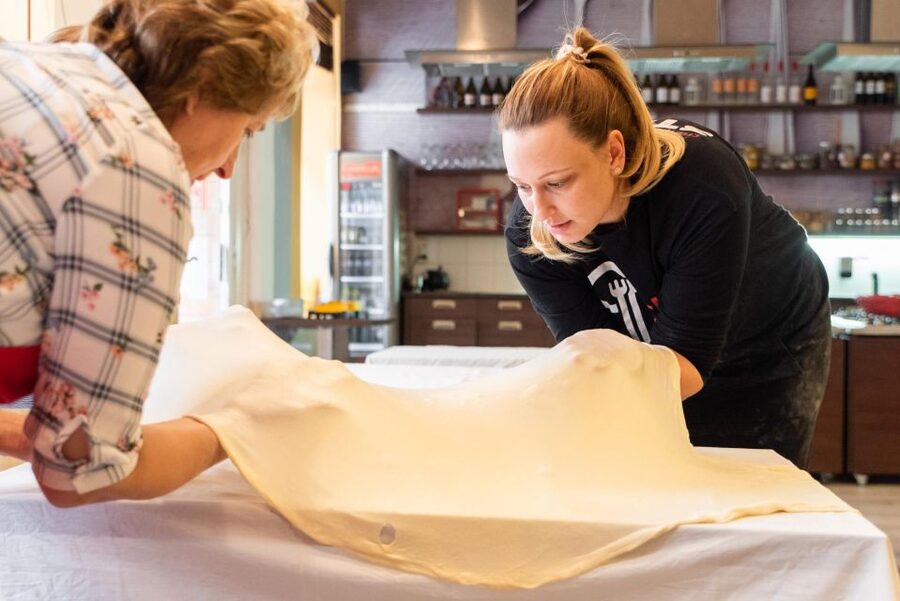
I would book this if you want more than a food tasting and are happy to pay for a guided, hands-on morning. The market visit, shared cooking, three-course lunch, and recipes create a complete introduction to Hungarian food. The strongest feature is the chance to make dishes such as chicken paprikash yourself, then sit down and eat what your group prepared.
I would skip it if $170 feels high for a four-hour activity or if you prefer independent market browsing and restaurant meals. Before booking, confirm the meeting point and send any dietary requirements to Chefparade.
For food-focused visitors, this is a strong Budapest choice. It gives you a meal, a lesson, and a set of recipes you can still use after the city has faded into the rearview mirror.
FAQ
Where does the Budapest cooking class meet?
You meet in front of Budapest’s Central Market Hall at the Burger King.
How long does the experience last?
The experience lasts four hours and usually runs in the morning, ending with lunch.
Is the class taught in English?
Yes. The instructor language is English.
How many people are in the group?
The group is limited to 10 participants.
What food is included at the market?
The market visit includes Hungarian appetizers such as kolbász and körözött, along with a small breakfast.
What is included at the cooking school?
You receive an apron and take part in preparing a three-course Hungarian meal. Soft drinks, coffee, tea, a glass of wine with lunch, and recipes to take home are included.
Are alcoholic drinks part of the experience?
Yes. The program includes a fruity pálinka on arrival and Unicum before lunch. A glass of wine with lunch is also included.
Can the menu accommodate dietary restrictions?
You should contact the tour operator about dietary needs or restrictions. Chefparade says it will work with you on a menu that suits your diet.
Recently added around Budapest
- Budapest: Private Walking Tour with a Local Guide★ 3.6 · 6 reviews
- From Budapest: Guided Tour of Eger with Wine Tasting★ 4.5 · 6 reviews
- Budapest: City Bike Tour with Coffee Stop★ 5.0 · 37 reviews
- Budapest: Danube River Views Bike Ride★ 4.8 · 23 reviews
- Budapest: Vacation Photographer to collect great memories★ 5.0 · 49 reviews
- Walk to recent and aged spiritual sanctuaries near Budapest★ 5.0 · 5 reviews
- True Crime Walking Tour in the Buda Castle district★ 5.0 · 26 reviews
- Trash Art Museum: Hungary’s First Scrap Metal Exhibition★ 4.3 · 72 reviews
Cooking Classes, compared.
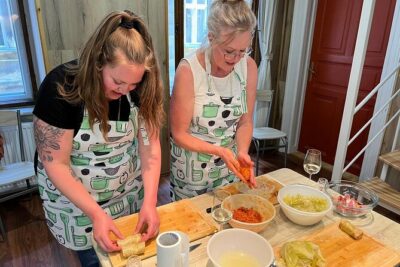
Budapest Cooking Class & Market Tour with Local Guide & Wines
Read our review →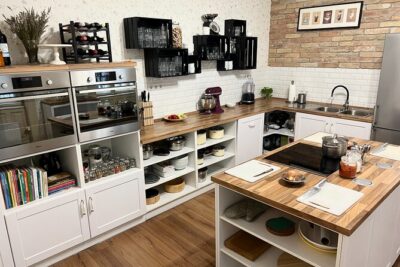
Premium Hungarian Home Cooking Experience with Chef Marti
Read our review →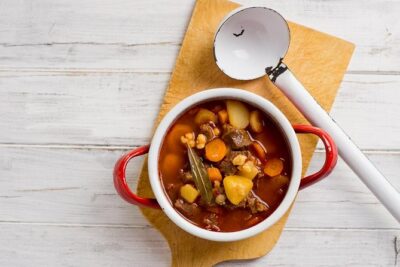
Hungarian Cooking and optional Local Market Tour
Read our review →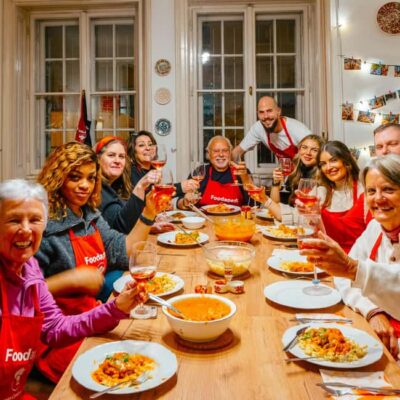
Easy Cooking Class Budapest – with Market Walk (local wine & pálinka included)
Read our review →
Budapest Market Tour & Home Cooking Class with local Chef & Guide
Read our review →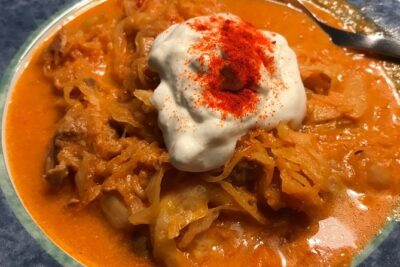
Browse the lists this tour appears in