
Reviewed · COOKING CLASSES
Budapest: Hungarian Cooking Class and Market Walk
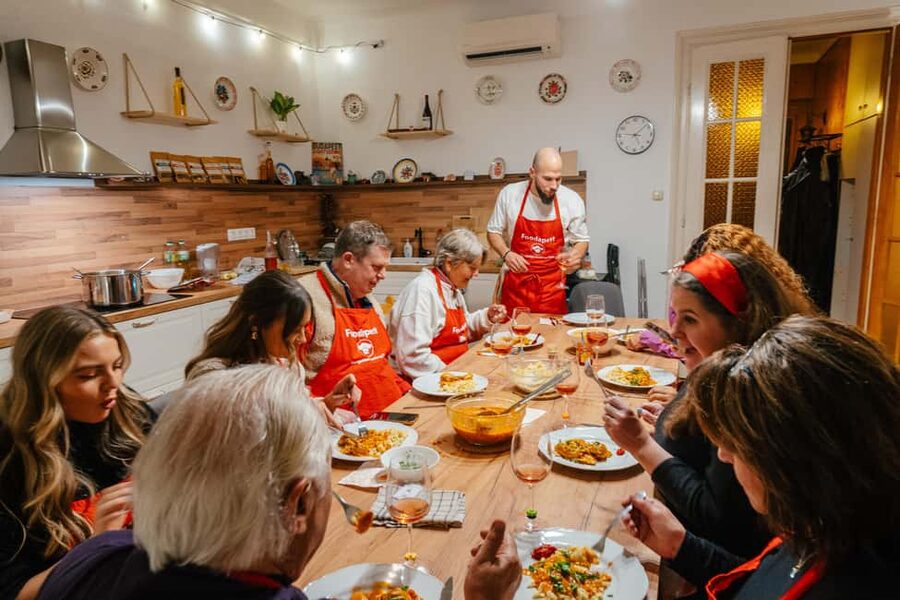
Budapest’s best food lesson may begin with a market basket and end with chicken paprikash bubbling in a home kitchen. This four-hour Foodapest experience takes you through the Central Market Hall, then into a nearby apartment for family recipes, wine, pálinka, and a meal you help prepare.
I like the market tastings, which turn a quick walk through the hall into a useful introduction to Hungarian flavors. I also like the communal cooking, since you are not just watching a chef work. You chop, stir, talk, eat, and pick up recipes you can use at home.
The main consideration is the alcohol. Wine and pálinka are included, and the social side of the class leans toward relaxed eating and drinking. If you do not drink, have strict dietary needs, or want a formal, technique-heavy cooking lesson, tell the provider ahead of time and set your expectations carefully.
Key points to know
- Central Market Hall comes first: Meet outside the main entrance by the yellow tram stop, where your guide carries a brown market basket.
- Tastings are part of the tour: Expect Hungarian treats at the market, followed by cold cuts, sausages, cheeses, dips, wine, and spirits at the apartment.
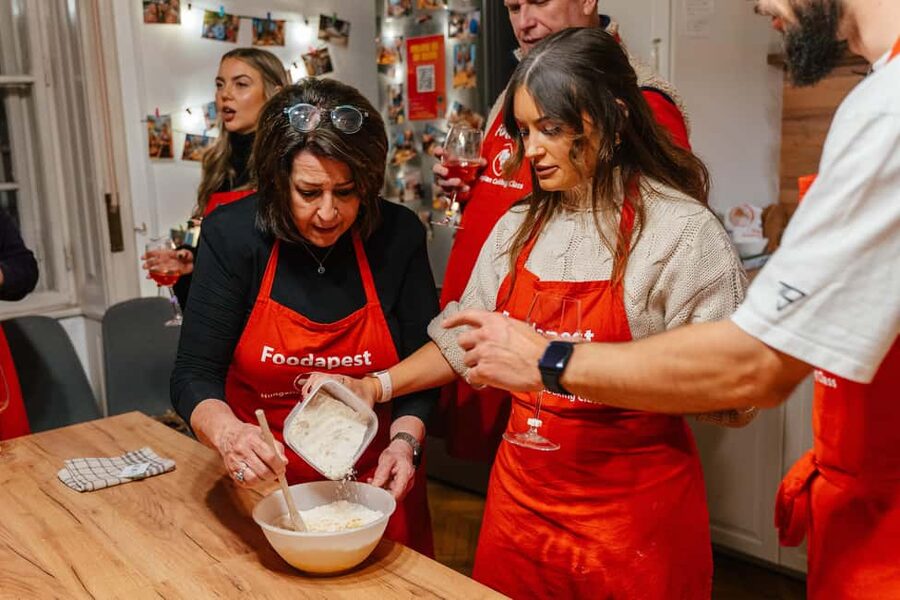
- You cook family recipes: The class focuses on shared preparation rather than a demonstration from a distance.
- Your main dish varies: Choices include chicken paprikash, beef goulash, mushroom paprikas, lecso, and possibly stuffed cabbage rolls, so confirm the menu when booking.
- The apartment changes the mood: After the market, the class feels more like being welcomed into a local home than attending a restaurant lesson.
- The price covers a full afternoon: At $98 per person, you receive the market tour, tastings, cooking instruction, drinks, meal, recipes, local advice, and a souvenir.
Starting at Budapest’s Central Market Hall
The meeting point is easy to identify: outside the main entrance of the Central Market Hall, on the side of the yellow tram stop. Look for the guide holding a brown market basket. That small detail matters in a busy city, especially if you are arriving by public transport and do not want to circle the building hunting for a group.
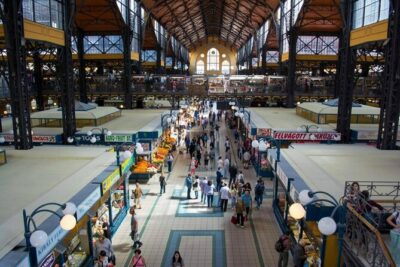
The Central Market Hall is one of Budapest’s essential food stops and is described here as the largest indoor market in Europe. The point of this tour is not simply to give you free time to browse. Your guide leads a short walk through the market, explains Hungarian food and culture, and stops for samples.
That guided approach makes the hall more useful. On your own, you might recognize paprika, salami, or pickled vegetables without understanding how they fit into Hungarian cooking. With a local guide, the products become part of a larger story about everyday meals, family habits, and the flavors you will use later in the kitchen.
The exact tastings can vary, but the experience includes local treats and Hungarian specialties. You may sample different kinds of paprika, pickled produce, meats, or spirits. One guide also takes visitors to less obvious parts of the market, including the lower level, where there is a relief map and more pickled foods. That sort of detail gives the tour a personal feel instead of making it a simple march past food stalls.
The market walk is also a good place to ask questions. You can get tips about what to buy as a souvenir, which Hungarian foods are worth packing, and how to tell everyday products from items aimed mainly at tourists. Guides such as George, Marcell, Emese, and Kinga have been praised for explaining both the food and the city in a warm, conversational way.
More cooking classes in Budapest:
- Budapest Cooking Class & Market Tour with Local Guide & Wines
★ 5.0 · 553 reviews - Premium Hungarian Home Cooking Experience with Chef Marti
★ 5.0 · 169 reviews - Hungarian Cooking and optional Local Market Tour
★ 4.5 · 98 reviews
From market samples to a nearby apartment
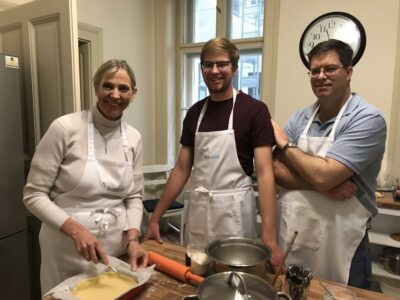
After the market, the group walks to a nearby apartment. This is not a restaurant kitchen or a large culinary school. The setting is a private-style home with a charming kitchen, and that shapes the whole experience.
I like this transition because it connects shopping with cooking. You see ingredients in their market setting, then use them in a meal shortly afterward. The food is no longer an abstract list of Hungarian dishes. You learn how the ingredients behave together and why they matter.
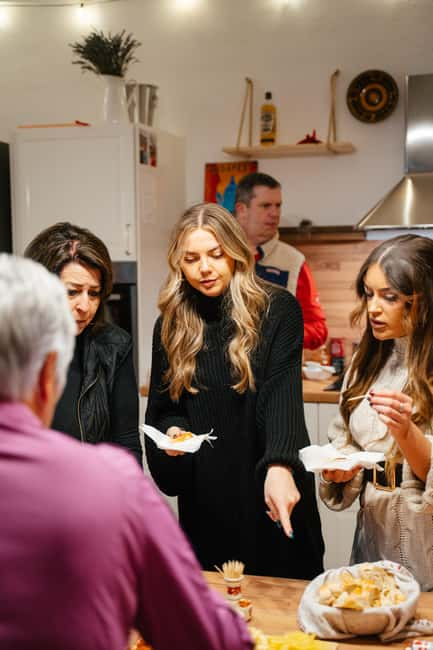
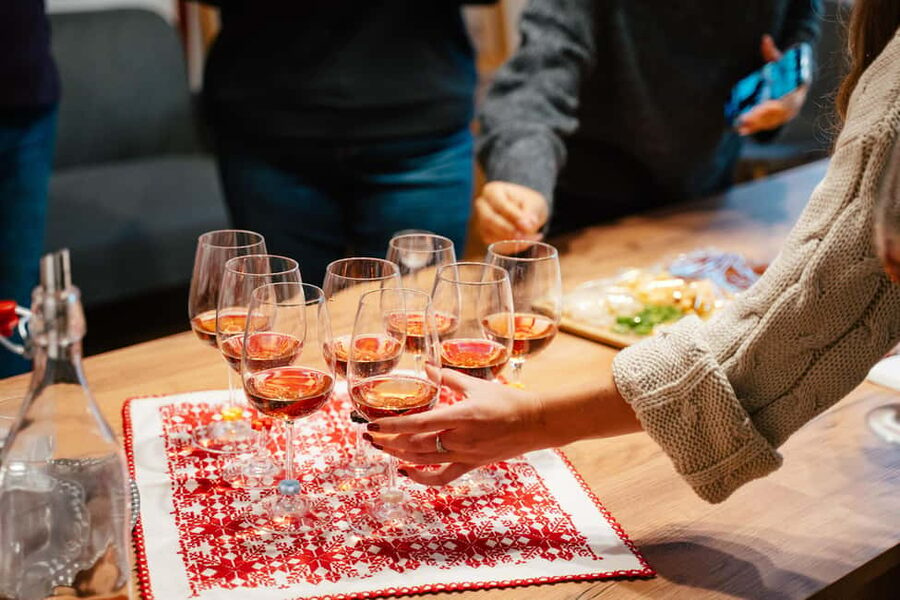
Before cooking begins, the hosts put out snacks. These can include Hungarian sausages, salami, cold cuts, cheeses, dips, and other small bites. Wine and Hungarian spirits are also included, with pálinka adding the traditional strong note. If you are not used to fruit brandy, start slowly. Pálinka is served for cultural context and enjoyment, not as a race.
The apartment also gives you room to meet the other people in the class. Several experiences have involved small groups, and the social side is clearly part of the design. You sit, talk, share food, and work together rather than moving through a rigid sequence of stations.
That can be a major plus for solo visitors or couples who want company without booking a full group tour. It also works well for families. One family took part with daughters aged 12 and 13, and the hands-on format gave younger participants something real to do. Still, you should remember that the experience includes alcohol and adult conversation around the table, so it may not feel like a children’s cooking workshop.
Choosing a Hungarian dish to cook
The cooking portion centers on family recipes passed down through generations. The available main dish depends on the class arrangement, and the information provided names several options:
- Chicken paprikash: A classic Hungarian comfort dish built around chicken and paprika. It is described as approachable, flavorful, and very Hungarian.
- Beef goulash stew: A hearty dish based on a family recipe, well suited to anyone who wants one of Hungary’s best-known meals.
- Mushroom paprikas: A meat-free choice with the warm paprika character of traditional Hungarian cooking.
- Lecso: A vegetable-based Hungarian dish that can suit vegetarians and vegans.
- Stuffed cabbage rolls: This is also named as a possible meal preference when dietary choices are discussed.
Because the menu descriptions are not completely identical, confirm your preferred dish before the class. One part of the information highlights mushroom paprikas or lecso, while the booking notes also mention stuffed cabbage rolls. The safest plan is to state your first choice and any dietary restrictions in advance.
The class is not designed to turn you into a professional chef in four hours. Its strength is the chance to take part in the steps that make a Hungarian dish taste like Hungarian food. You learn by doing, with the guide explaining the process as you go.
Paprika receives special attention. Hungarian paprika is not one single flavor, and participants have sampled smoky, sweet, and spicy versions. That comparison is useful because it shows why a recipe can change so much when you use a different type of paprika. You may arrive thinking paprika is just a red powder and leave with a better sense of how it controls the character of the dish.
The communal setup also means the work is shared. You are not left to prepare an entire meal alone, and you are not stuck watching someone else handle every important step. The balance is casual and social, with time to joke, ask questions, and eat as the food comes together.
What you actually eat and drink
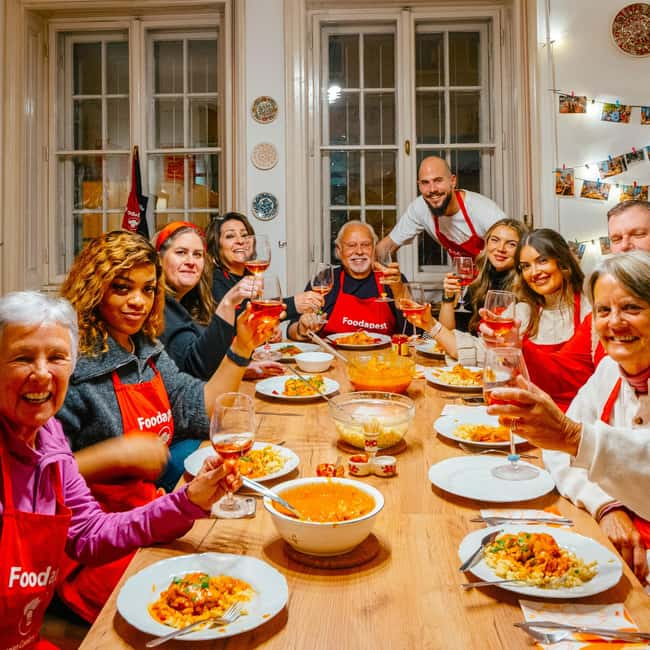
The final meal is the payoff, but it is not the only reason to book. You begin with market samples, move to cold cuts and cheese, and then eat the dish the group has made. Wine is included throughout, and pálinka adds a distinctly Hungarian touch.
The food tends to be generous rather than delicate. This is home-style cooking, not a tasting menu. Expect comforting dishes, strong paprika flavor, meat or vegetables prepared in a traditional manner, and a table where conversation matters nearly as much as the meal.
If you are vegetarian, the experience can work well. A vegetarian participant was accommodated without difficulty, and the stated choices include mushroom paprikas and lecso. Vegans should contact Foodapest before booking so the ingredients and shared snacks can be discussed. Halal ingredients are available on request.
Do not assume every dietary need is handled automatically. Send the information before the class, including allergies, religious restrictions, and your preferred dish. This is especially important because the market walk and appetizer spread may include meat, dairy, and alcohol.
You also receive a collection of Hungarian recipes. That adds real value: the lesson does not end when you leave Budapest. You can try the chicken paprikash, goulash, or another dish at home, using the class as a starting point rather than a one-time meal.
More hands-on workshops in Budapest:
- Budapest: Hungarian Chimney Cake Workshop in the City Center
★ 4.8 · 885 reviews - Chimney Cake Workshop Budapest Downtown – Kürtőskalács Class
★ 5.0 · 220 reviews - Budapest: Essentials of Hungarian Wine Tasting Class
★ 4.9 · 174 reviews - Hungarian Strudel Making Class: Stretch & Fill Two Ways
★ 5.0 · 76 reviews
How the guides shape the experience
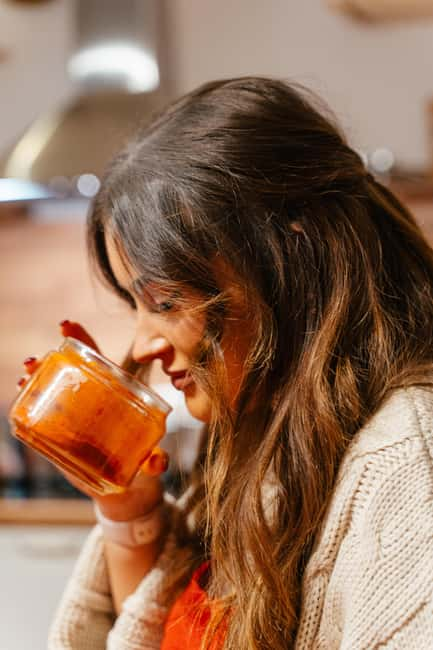
Foodapest uses several guides, including George, Marcell, Emese, and Kinga. The emphasis is on friendly hosting, clear explanations, and managing the group so everyone has a role.
George is especially associated with the apartment cooking experience and with family recipes from his grandmother. He has also been praised for discussing Hungarian culture, education, history, and food while keeping the conversation relaxed. Marcell has led market walks and cooking sessions, and Kinga has been noted for handling group dynamics well. Emese has guided visitors through the market and helped select good places to taste local food.
The guide matters here because the tour has no grand monument to carry it. The value comes from the person leading you through the market and kitchen. A strong guide explains what you are eating, notices when someone needs help, and keeps the table conversation moving without turning the afternoon into a lecture.
English is the stated language. If you want a quiet, highly structured class with exact measurements and formal chef instruction, this may not be the right fit. If you prefer learning through conversation and shared work, the format should suit you better.
Is $98 a fair price?
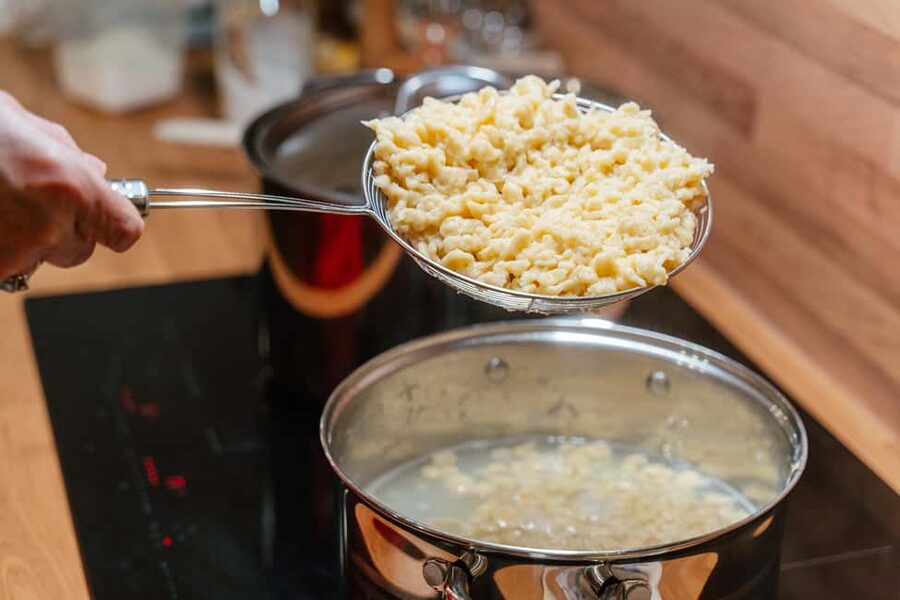
The cost is $98 per person. That is more than a market stroll and more than a basic cooking demonstration, but the package includes several separate elements: a guided market visit, tastings, snacks, cold cuts, cheeses, wine, Hungarian spirits, the cooking class, the meal, recipes, local advice, and a souvenir.
I see the price as fair if you make use of the whole afternoon. You are paying for a four-hour cultural experience, not just the plate at the end. The apartment setting and personal guidance give it a more local feel than a standard restaurant meal, while the market visit provides context for the ingredients.
Value depends on your interests. If you already plan to spend time at the Central Market Hall and mainly want a quick lunch, $98 may feel high. If you want an activity that combines food, conversation, practical cooking, and local background, the cost is easier to justify.
The free cancellation policy allows cancellation up to 24 hours before the start for a full refund. You can also reserve now and pay later, which helps if your Budapest schedule is still changing. Starting times vary, so check availability before arranging other plans.
Who should book this class?
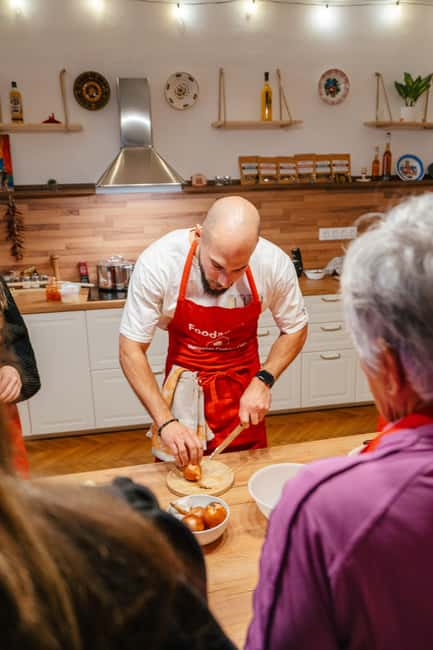
I would recommend it to food-focused visitors, solo visitors who want an easy social afternoon, couples, and families with older children. It is also a smart choice early in your stay because the guides provide tips and recommendations for the rest of your time in Budapest.
Book it if you want to taste before you cook, learn why paprika matters, and leave with recipes you can repeat at home. The mix of market, apartment, food, drink, and conversation gives you a useful introduction to Hungarian daily life.
You may want another type of class if you need a strict lesson plan, a professional kitchen, extensive technical instruction, or a non-drinking setting. You should also confirm the dish and dietary arrangements before paying if food restrictions are important.
Should you book Foodapest?
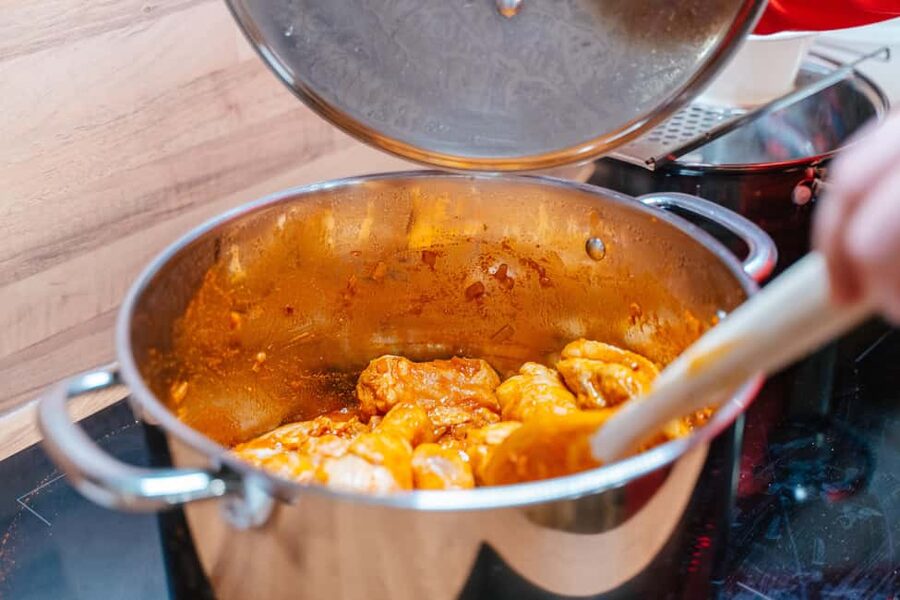
Yes, if you want a relaxed, personal introduction to Hungarian cooking rather than a formal chef-led lesson. The strongest parts are the market tastings, the family recipes, the small-group feel, and the chance to sit down and eat what you helped prepare.
I would book this for the middle or final part of a Budapest visit. By then, you will recognize some Hungarian foods, and the class can turn those first impressions into a fuller understanding. The recipe collection and local tips also give the afternoon value after you return home.
Just arrive ready to participate. You will get the most from Foodapest if you chop, taste, ask questions, share the table, and let the guide lead you into Hungary through its food.
FAQ
Where does the Budapest cooking class begin?
It begins outside the main entrance of Budapest’s Central Market Hall, beside the yellow tram stop. The guide carries a brown market basket to make the meeting point easier to spot.
How long does the Foodapest experience last?
The activity lasts four hours. Starting times vary, so you should check availability when booking.
Where does the experience end?
The activity ends back at the original meeting point at the Central Market Hall.
What language is the class conducted in?
The stated language is English.
Which Hungarian dishes can I prepare?
Possible dishes include chicken paprikash, beef goulash, mushroom paprikas, lecso, and stuffed cabbage rolls. The available choice can vary, so confirm your preference before the class.
Can vegetarian or vegan visitors take part?
Yes. Mushroom paprikas and lecso are listed as suitable choices for vegetarians and vegans. Contact Foodapest in advance with your dietary requirements.
Can halal ingredients be provided?
Yes. Halal ingredients can be provided upon request. Tell the provider before the experience.
Are drinks and food included?
Yes. The experience includes market tasters, Hungarian cold cuts, cheeses, meats, and dips, along with local wine and Hungarian spirits. The meal you prepare is also included.
Can I cancel for a refund?
You can cancel up to 24 hours in advance for a full refund. The booking option also allows you to reserve now and pay later.
More Walking Tours in Budapest
- Budapest: Buda Castle Walk with Saint Stephen’s Hall
★ 4.5 · 3,012 reviews - Big Bus Budapest Hop-On Hop-Off Bus and Walking Tour
★ 3.5 · 2,206 reviews - Budapest: Buda Castle District Walking Tour
★ 4.6 · 2,108 reviews - Budapest City Landmarks Walking Tour in 2 Hours
★ 5.0 · 2,048 reviews
More Market Walks in Budapest
- Budapest Food Tour: Market to Tavern with 14+ Tasters & Wines
★ 5.0 · 434 reviews - Budapest: Hungarian Cuisine in the Market Hall (german)
★ 4.8 · 146 reviews - Easy Cooking Class Budapest – with Market Walk (local wine & pálinka included)
★ 5.0 · 62 reviews - Budapest Great Market Hall Chef‑Led Private Tasting Tour
★ 5.0 · 61 reviews
Recently added around Budapest
- Budapest: Private Walking Tour with a Local Guide★ 3.6 · 6 reviews
- From Budapest: Guided Tour of Eger with Wine Tasting★ 4.5 · 6 reviews
- Budapest: City Bike Tour with Coffee Stop★ 5.0 · 37 reviews
- Budapest: Danube River Views Bike Ride★ 4.8 · 23 reviews
- Walk to recent and aged spiritual sanctuaries near Budapest★ 5.0 · 5 reviews
- Budapest: Vacation Photographer to collect great memories★ 5.0 · 49 reviews
- Trash Art Museum: Hungary’s First Scrap Metal Exhibition★ 4.3 · 72 reviews
- Budapest: Multilingual Highlights Tour★ 4.8 · 89 reviews
Cooking Classes, compared.
Budapest Cooking Class & Market Tour with Local Guide & Wines
Read our review →
Premium Hungarian Home Cooking Experience with Chef Marti
Read our review →
Hungarian Cooking and optional Local Market Tour
Read our review →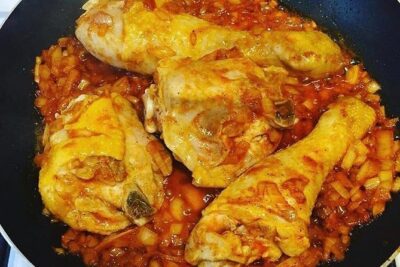
Easy Cooking Class Budapest – with Market Walk (local wine & pálinka included)
Read our review →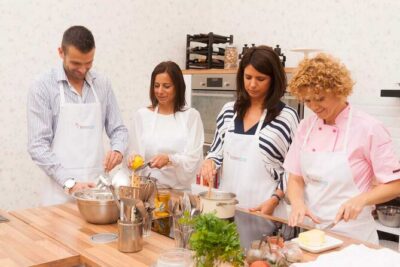
Budapest Market Tour & Home Cooking Class with local Chef & Guide
Read our review →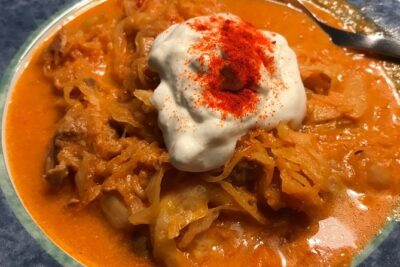
Hungarian Premium Cooking Class with 4-course meal
Read our review →Browse the lists this tour appears in