
Reviewed · JEWISH HERITAGE TOURS
Private Jewish Heritage Tour of Budapest with Local Expert
Budapest’s Jewish Quarter packs major history into a small area, from the grand Dohány Street Synagogue to the former 1944 ghetto and the modest streets of Erzsébetváros. This private walk gives you a local guide’s help in connecting the buildings, memorials, and surviving Jewish traditions.
I like the private format, since you can ask questions and set the pace. I also like the stop at Fröhlich Confectionery, where flódni turns a history walk into a more personal look at Jewish Budapest. The main concern is that $220 per person is a serious price for 2.5 hours, and entrance tickets are not included.
Key points at a glance
- Three important synagogues: See the Dohány Street, Rumbach Street, and Kazinczy Street synagogues, each with a different architectural and religious character.
- Former ghetto landmarks: Walk through Erzsébetváros and hear about the World War II ghetto of 1944.
- A local Jewish pastry: Try flódni at Fröhlich Confectionery, with other traditional treats also available.
- Private attention: Only your group takes part, so the guide can focus on your questions and interests.
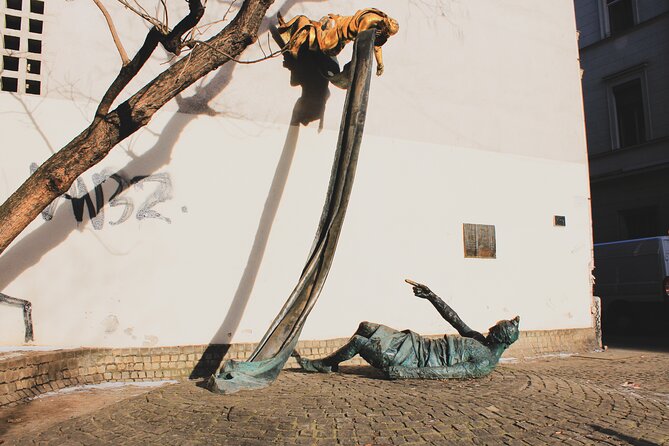
- Carl Lutz story: Visit the memorial to the Swiss diplomat who helped save Hungarian Jews during World War II.
- Useful neighborhood tips: The walk includes comments on ruin pubs, street art, nightlife, kosher places, and the district’s changing identity.
Budapest’s Jewish Quarter in one focused walk
This experience is built around Budapest’s District VII, better known as Erzsébetváros and the Jewish Quarter. Jewish life flourished here for more than 200 years, and the area remains home to Budapest’s largest and most active Jewish community.
You will not simply look at synagogue façades. The guide links religious buildings with the streets of the former ghetto, wartime rescue efforts, food traditions, and the district’s modern nightlife. That mix gives the walk a useful sense of place. You see the quarter as a living neighborhood, not just an open-air memorial.
The private setup matters here. Jewish Budapest involves difficult subjects, including persecution, forced confinement, and the destruction of much of the community during World War II. A private guide can spend more time on the subjects that matter to you, or keep the discussion lighter if your group is also interested in architecture, food, or present-day life.
At roughly 2.5 hours, this is long enough for a substantial introduction but short enough to fit into a busy Budapest visit. The many listed stops are close together, yet the walk covers a lot. You should expect a purposeful pace rather than a slow, wandering stroll.
More Jewish heritage walks in Budapest:
- Budapest Jewish Heritage Memorial Walking Tour & Synagogue Entry
★ 5.0 · 568 reviews - Budapest: Jewish Heritage Guided Tour with Synagogue Ticket
★ 4.8 · 533 reviews - Jewish Quarter of Budapest Walking Tour
★ 4.7 · 369 reviews
Herzl Square and the Dohány Street Synagogue
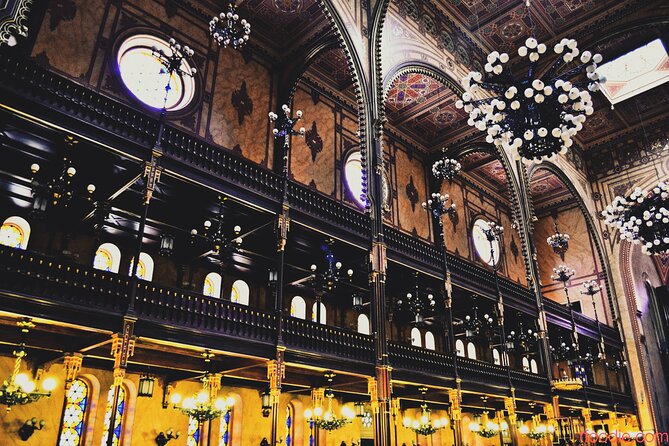
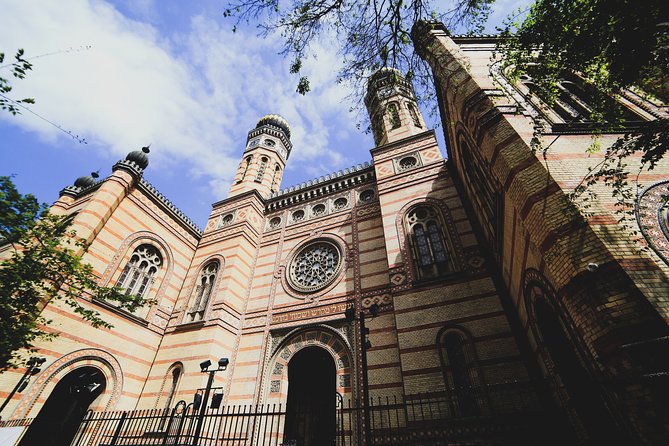
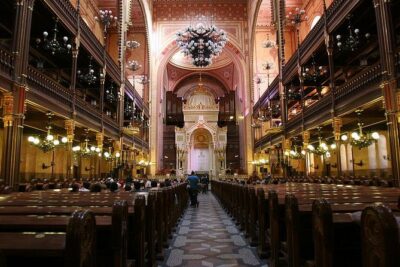
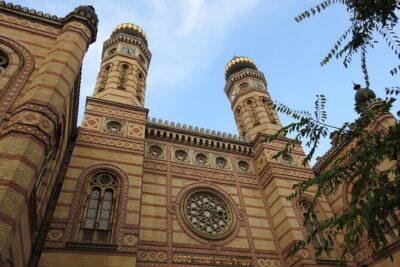
The walk begins around Herzl Square and the Dohány Street Synagogue, the largest synagogue in Europe and the second largest in the world. Even if your visit focuses on the surrounding area rather than a full interior admission, this is the natural anchor for understanding the quarter.
The scale of Dohány helps explain the importance of Budapest’s Jewish community before the war. The guide can set the building within the wider neighborhood, then move you into the smaller streets where Jewish homes, shops, institutions, and places of worship once formed a dense community.
The tour description lists the Dohány area as the main event, but entrance tickets are not included. Confirm exactly what access is planned if entering the synagogue is important to you. The stated visit may mean seeing the exterior and vicinity rather than receiving an included interior admission.
That distinction affects the price. If you want to tour the inside, you may need to pay separately. Still, even an exterior visit gives the guide a strong starting point for discussing the quarter’s religious and civic life.
Rumbach Street’s Moorish design
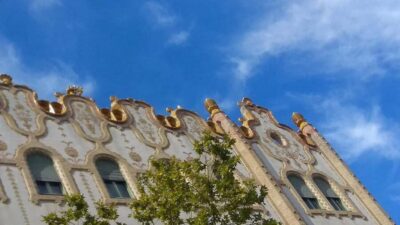
Rumbach Street Synagogue offers a very different visual experience. Its Moorish-style decoration has a graceful, light-filled quality, making it a useful contrast with the grander Dohány building.
The short stop is best understood as an architectural pause. You get to compare the synagogue triangle rather than treating every religious building as interchangeable. Rumbach adds another layer to the story of Jewish Budapest, especially when your guide explains how different congregations and traditions shared this compact district.
Again, entrance tickets are not included, so ask about interior access before booking if the decoration is a priority. The supplied plan gives about 15 minutes here, which suggests a quick visit or an exterior-focused stop rather than a long architectural inspection.
Kazinczy Street and Orthodox Jewish life
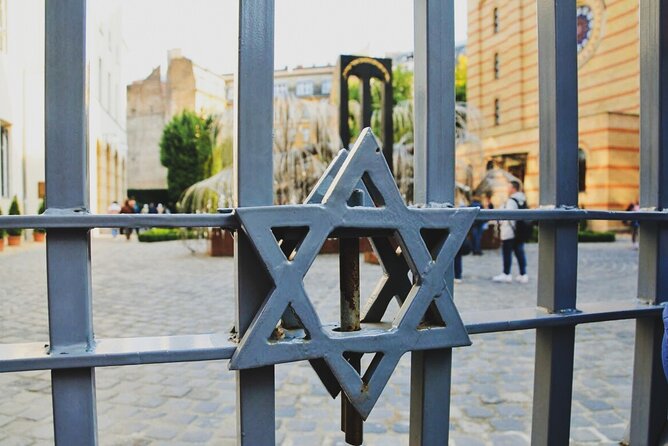
Kazinczy Street is home to one of Europe’s largest functioning Orthodox synagogues. Its Art Nouveau style gives the route another strong visual change, while its continuing religious use reminds you that this is not only a historic quarter.
The walk through central Kazinczy also covers the area’s former Jewish market, with shops, restaurants, and professional offices once surrounding it. Today, the street has a different feel, with kosher food, nightlife, bars, and street art sharing space with religious institutions.
This is one of the tour’s more useful contrasts. You learn about a neighborhood shaped by Jewish commerce and worship, then see how modern Budapest has reused many of its old buildings. The guide also offers local tips about ruin pubs and nightlife, which can help you plan an evening after the tour.
The nightlife subject is useful, but it may not suit every group. If you are mainly interested in religious history, tell your guide early so the conversation stays close to your priorities.
More history tours in Budapest:
- Budapest: Historic Cruise with Welcome Drink
★ 4.7 · 6,512 reviews - Budapest Historical Sightseeing – Free Walking Tour
★ 5.0 · 1,302 reviews - Buda Castle District Dark History, Legends and Vampire Night Tour
★ 4.5 · 1,240 reviews - BloodThirsty Hungary: Walking tour & Dark Historical Stories
★ 4.9 · 633 reviews
The 1944 ghetto and Erzsébetváros
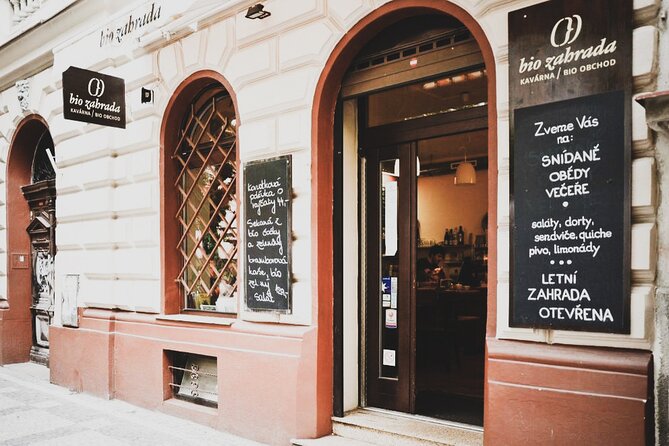
The tour moves through the streets of the former World War II ghetto, located in today’s Erzsébetváros. This is where the walk shifts from architecture to memory.
The ghetto story can be difficult, but it is central to understanding the quarter. Your guide points out major landmarks and explains how the district became a confined area in 1944. The value of walking these streets is simple: the history is tied to ordinary blocks, not separated from daily Budapest life.
The route also mentions the wider network of Jewish life in the city, including 24 synagogues and prayer houses. You should not expect to visit all of them in this short tour. Instead, the guide uses the selected sites to show how extensive Jewish religious and cultural life once was, and how much remains today.
For many people, this will be the most meaningful part of the experience. It also requires attention. The former ghetto is not a picturesque backdrop for casual sightseeing, so plan to listen and allow the subject the seriousness it deserves.
Carl Lutz and the Hungarian Schindler story
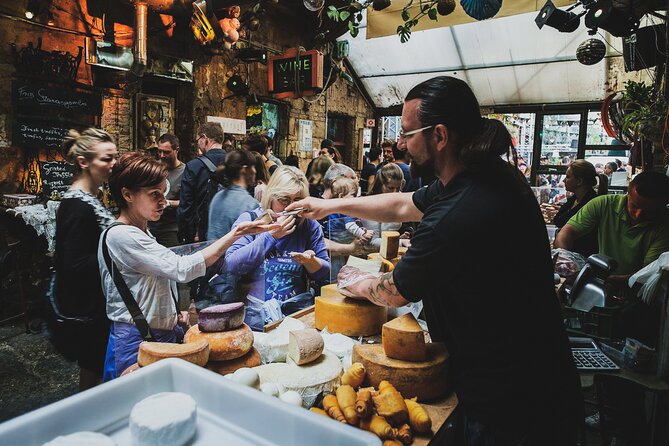
The Carl Lutz Memorial honors the Swiss diplomat recognized as one of the Righteous Among the Nations. He is often called the Hungarian Schindler because of his role in helping protect Hungarian Jews during the war.
This stop gives the tour a human scale. Large numbers and major buildings can make wartime history feel remote. A memorial dedicated to one person brings the focus back to individual choices, risks, and acts of courage.
The planned stop lasts about 20 minutes, enough time for the guide to explain Lutz’s work and place the memorial within the surrounding quarter. It is one of the clearest reasons to choose a guide-led walk rather than simply following a map between synagogues.
Fröhlich Confectionery and the taste of flódni
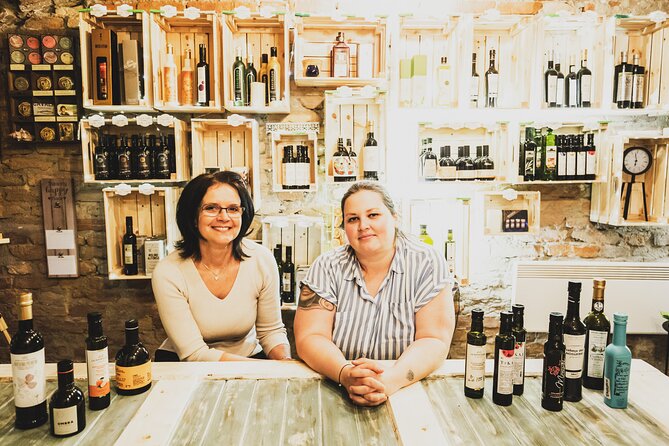
A stop at Fröhlich Confectionery adds something rare to a history tour: food with a direct link to local Jewish tradition. You can taste flódni, a layered pastry associated with Jewish Budapest, along with other treats such as a Chanukah doughnut and Purim Haman’s ears.
Flódni is the star here. The pastry is a modern Jewish delicacy in Budapest, and trying it gives you a small but memorable connection to the community’s cultural life. Food does not replace the historical discussion, but it helps show that heritage includes kitchens, bakeries, holidays, and family habits.
Coffee or tea is included, while other food and drinks are not. If you have dietary restrictions, ask before booking because no special arrangements are stated. The stop is also a practical break after the serious wartime sections of the walk.
Fröhlich is on Dob Street, another useful part of the neighborhood route. You can continue exploring nearby afterward, though no additional visit is included in the tour.
What the private format really offers
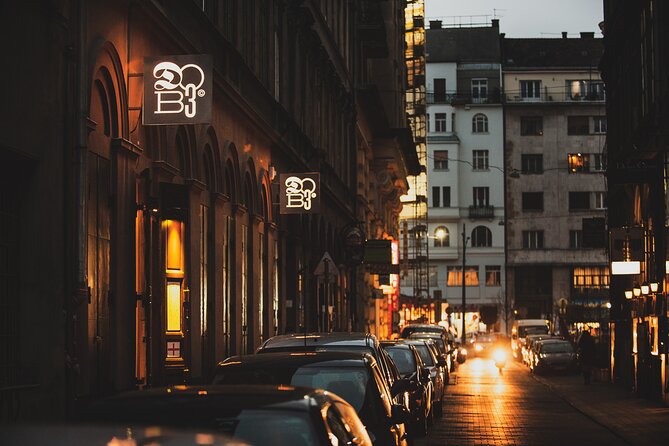
Only your group participates, and that changes the feel of the experience. You can ask about a family connection, request more detail on synagogue architecture, or spend extra time on wartime rescue efforts without waiting for a large group.
One guide named in the available information is Miklos. He is described as punctual, clear, and willing to provide a great deal of information without rushing the group. He also handled a limited amount of time well, helping the group see what mattered most. If Miklos is assigned to your booking, those qualities would be especially useful on a route with many stops.
The private setup also gives you a chance to make the walk more practical. Ask for a recommendation about kosher food, a ruin pub, street art, or the best way to continue around District VII. The experience includes visual handouts, a notebook, and a souvenir pen, which may help you remember names and locations after the walk.
There is one service concern to keep in mind. One booking was affected when a guide became sick, and the provider said it tried to make contact but could not reach the customer because a phone digit may have been missing. The booking was refunded. This does not prove a regular problem, but you should provide accurate contact details and check your messages near the tour time.
Price, pace, and what is included
At $220 per person, this tour is expensive for a 2.5-hour walking experience. Its value depends on how much you want private attention and how important this subject is to you.
The price includes a private guide, all listed fees and taxes, coffee or tea, visual handouts, a notebook, and a souvenir pen. The pastry stop includes the specified tasting, while additional food and drinks cost extra.
Entrance tickets are not included. That is important because the tour visits the vicinity of several synagogues, but the precise level of interior access is not clear. If you want to enter Dohány, Rumbach, or Kazinczy, ask about ticket costs and arrangements before paying.
The walk requires moderate physical fitness. You will be on foot through the Jewish Quarter, with several short stops. Pickup is offered, and the route is near public transportation, but the core experience remains a walking tour. Service animals are allowed.
The eco-friendly appeal is straightforward: you explore a compact central district on foot rather than adding a private vehicle to the day. Multiple start times also make it easier to fit around other Budapest plans.
Who should book this Budapest walk?
I would recommend it most strongly to you if Jewish history is a major reason for visiting Budapest, or if you prefer asking questions rather than following a large group. It also suits first-time visitors who want a clear introduction to District VII before exploring on their own.
The tour works well for couples, families, and small private groups with mixed interests. One person can focus on architecture, another on the wartime story, and another on food and nightlife. A private guide can adjust the conversation in a way a fixed group tour usually cannot.
You may want a different option if you only want synagogue interiors. Since admissions are not included and some stops may be exterior or vicinity visits, confirm the access details first. You may also find the price hard to justify if you are comfortable researching the quarter yourself.
Final call: Is it worth $220 per person?
Book this tour if you want a concentrated, private introduction to Budapest’s Jewish Quarter, especially one that combines synagogues, the former ghetto, the Carl Lutz Memorial, and Jewish pastries. The strongest parts are the private attention, the clear route through the three major synagogues, and the chance to connect difficult history with present-day neighborhood life.
Before booking, ask two practical questions: Will the tour enter any synagogue interiors, and which guide will lead it? If Miklos is available, his punctual, clear, unhurried style sounds well suited to this compact but serious route.
Skip it if you are mainly seeking included admissions or a low-cost walk. For the right visitor, though, the private format can make the high price worthwhile, particularly when you have limited time in Budapest and want a thoughtful introduction rather than a quick list of landmarks.
FAQ
How long does the Jewish Heritage Tour of Budapest last?
The tour lasts approximately 2 hours and 30 minutes.
Is this a private tour?
Yes. Only your group participates in the activity.
How much does the tour cost?
The listed price is $220 per person.
Does the tour include pickup?
Pickup is offered.
Which synagogues are included?
The route includes the Dohány Street Synagogue area, Rumbach Street Synagogue, and Kazinczy Street Synagogue.
Are synagogue entrance tickets included?
No. Entrance tickets are not included in the tour price.
Is food included?
Coffee and tea are included, along with the specified tasting at Fröhlich Confectionery. Other food and drinks are not included.
What food can you taste during the tour?
The tasting may include flódni, a Chanukah doughnut, Purim Haman’s ears, and other Jewish delicacies at Fröhlich Confectionery.
Does the tour visit the former Budapest ghetto?
Yes. The walk covers major landmarks connected with the World War II ghetto of 1944 in Erzsébetváros.
What is the cancellation policy?
You can cancel up to 24 hours before the experience for a full refund. Cancellations or changes made less than 24 hours before the start time are not accepted for a refund.
Recently added around Budapest
- Budapest: Private Walking Tour with a Local Guide★ 3.6 · 6 reviews
- From Budapest: Guided Tour of Eger with Wine Tasting★ 4.5 · 6 reviews
- Budapest: City Bike Tour with Coffee Stop★ 5.0 · 37 reviews
- Budapest: Danube River Views Bike Ride★ 4.8 · 23 reviews
- Budapest: Vacation Photographer to collect great memories★ 5.0 · 49 reviews
- Walk to recent and aged spiritual sanctuaries near Budapest★ 5.0 · 5 reviews
- Budapest: Multilingual Highlights Tour★ 4.8 · 89 reviews
- True Crime Walking Tour in the Buda Castle district★ 5.0 · 26 reviews
Jewish Heritage Tours, compared.
Budapest Jewish Heritage Memorial Walking Tour & Synagogue Entry
Read our review →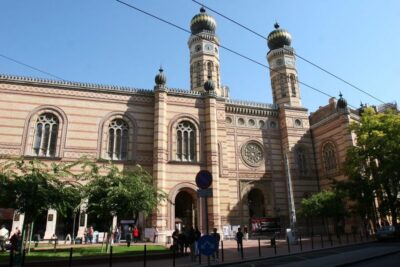
Jewish Heritage Guided Tour with Synagogue Ticket
Read our review →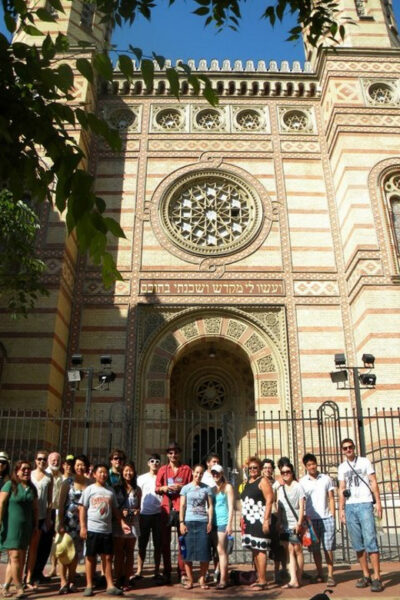
Past and Present of Budapest Jewish District Tour
Read our review →
Budapest Dohany Synagogue & Hungarian Jewish Museum & free extras
Read our review →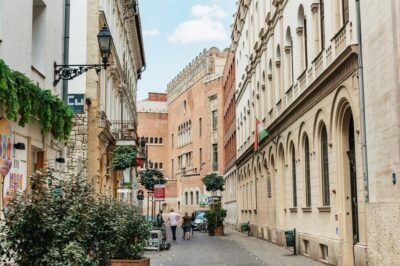
Jewish History Guided Walking Tour with Historian
Read our review →Browse the lists this tour appears in