
Reviewed · COMMUNIST HISTORY TOURS
Guided Tour with Admission in Memento Park
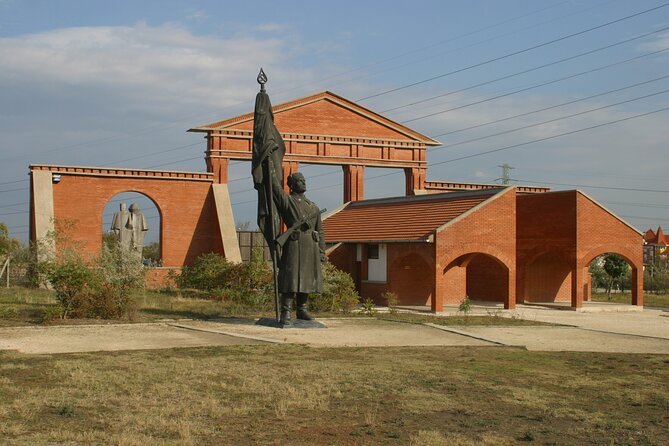
Memento Park is where Budapest’s communist-era statues were sent after the political changes of 1989. The result is both an open-air sculpture park and a sharp lesson in how public art can serve power. A guide helps you read the faces, gestures, and symbols instead of simply walking past a row of large concrete figures.
I like the small group of no more than 15 people, which makes it easier to hear the guide and ask questions. I also like the personal touch: guides such as Eszter, Esther, Ilodi, and Louisa have brought the sculptures to life with stories about daily life under Soviet influence. The main drawback is the park’s location outside central Budapest, so you need to allow time to reach the meeting point on Balatoni út.
Key points at a glance
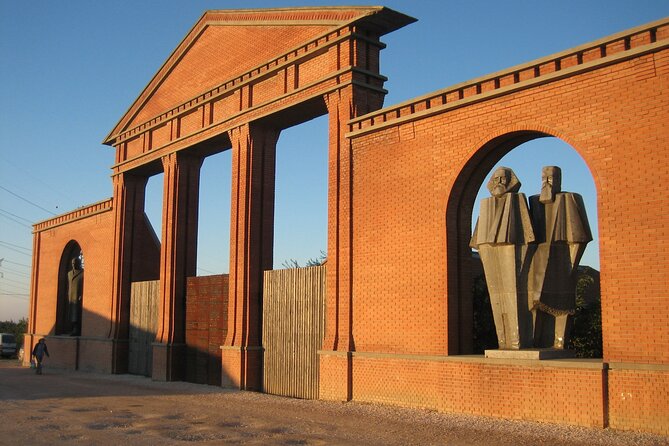
- The statues were moved here after communism ended: Memento Park preserves monuments that once occupied important public spaces in Budapest.
- The guide matters: The sculptures can seem stark or confusing without context, while the tour explains their political meaning and artistic details.
- The tour lasts about 70 minutes: Extra question time may follow, then you can explore the movie show, photo exhibition, Stalin’s Grandstand, and Trabant.
- The group is capped at 15 people: This is a useful size for hearing stories and getting answers without the feel of a large coach tour.
- Admission is included: The $30.04 price covers entry and the guided visit.
- You meet and finish at the park: The start time is 11:30 am, and the activity ends back at the same meeting point.
Why Memento Park belongs on a Budapest itinerary
Many Budapest sights show royal, religious, or artistic glory. Memento Park deals with something more uncomfortable: the political system that shaped Hungary for decades and left its symbols in squares, streets, and public buildings.
After communism ended, statues of Lenin, Soviet soldiers, Hungarian communist leaders, and workers could no longer remain in their old positions. Rather than destroy every monument, Budapest moved many of them to this site on the edge of the city. The park gives you a way to look at these works outside their original setting.
That change of setting matters. A statue intended to command a central square loses some of its authority when placed among other discarded monuments. At the same time, the park does not erase the past. It keeps the objects in view and lets you consider what they meant to the people who saw them every day.
I find that tension more useful than a simple museum display. You are not only looking at old sculpture. You are asking why it was made, who paid for it, what message it sent, and how people may have felt beneath it.
More communist history tours in Budapest:
- Budapest: Communist History Tour with House of Terror Option
★ 4.8 · 182 reviews - Budapest: 3-Hour Walking Tour About Communism (Small Group)
★ 4.7 · 70 reviews - Communism in Hungary with a Historian
★ 5.0 · 70 reviews
What the 11:30 guided visit covers
The meeting point is Memento Park, at Balatoni út and Szabadkai utca, 1222 Budapest. The English tour begins at 11:30 am, and the activity finishes back at the park.
The core guided portion takes about 70 minutes. That is enough time for a clear introduction to twentieth-century Hungarian history and for close attention to the main sculptures. The guide also remains available for roughly 20 minutes of questions after the formal walk, depending on how the session unfolds.
This timing works well if you want structure without giving up your whole day. You can pair the park with other Budapest plans, but do not treat it as a quick stop near the city center. The park is outside the central sightseeing area, and the trip to and from the meeting point adds to the total time.
Because the group is limited to 15 people, you should have a better chance of hearing stories clearly than you would on a large group outing. A smaller group also gives the guide room to pause when a question opens up a useful side topic.
Reading the statues instead of just photographing them
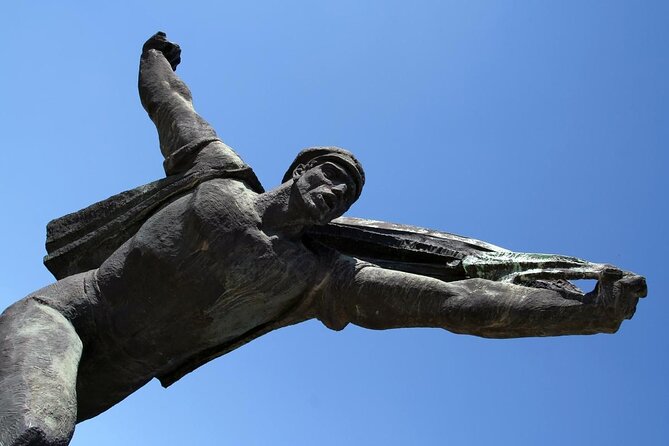
The sculptures are the main reason to visit, but their meaning is not always obvious at first glance. Large figures of workers, soldiers, political leaders, and idealized citizens can look alike if you do not know what details to watch.
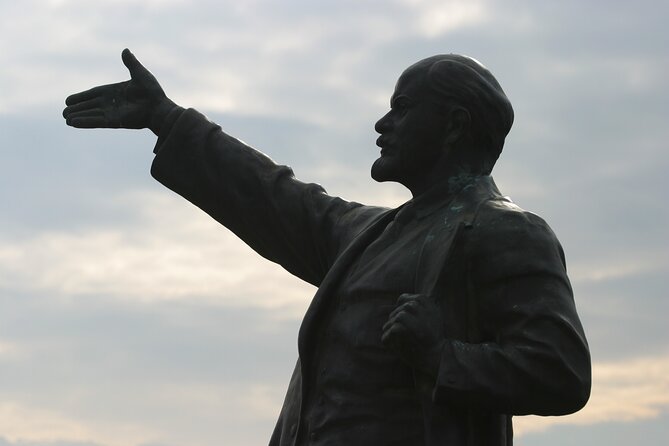
This is where the English-speaking guide earns the admission price. You will hear about the political purpose of the monuments as well as their artistic features. The guide can point out gestures, clothing, body positions, and group arrangements that may otherwise pass unnoticed.
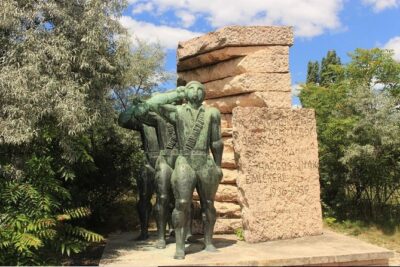
The best guiding approach here is not just a list of dates and names. It is the link between the statue and the world around it. A figure may have been designed to suggest unity, strength, sacrifice, or obedience. A group of workers may present a carefully approved image of society rather than ordinary life as people experienced it.
Past guides named Eszter and Esther have been praised for setting the wider twentieth-century scene before discussing individual works. Ilodi has been noted for sharing personal experiences, while Louisa has been singled out for explaining details that are easy to miss. You may not have one of these exact guides on your departure, but these examples show the type of interpretation this experience is built around.
Without a guide, you can still take in the scale of the monuments and photograph them. With a guide, you are more likely to understand why a particular work was made and why it ended up here.
Personal stories make the political past easier to grasp
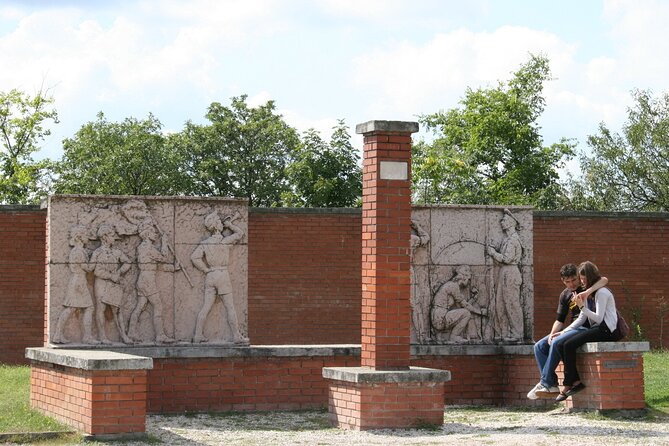
Political history can become dry when it stays at the level of governments and dates. This tour adds a human layer through stories about Soviet occupation and everyday life in Hungary.
That personal angle is one of the strongest parts of the experience. You are given a way to connect the sculptures with real choices, fears, routines, and memories. The result is not just a lesson about a political system. It is a reminder that such systems shape ordinary lives.
The guides also help place Hungary within the larger story of twentieth-century Europe. You will get an introduction to the period before moving into the park’s individual monuments. This order is useful because the sculptures then have a setting. You are not expected to know Hungarian political history in advance.
I would especially recommend the guided format if this is your first serious look at communist-era monuments. The park’s message is not self-explanatory, and several sculptures could lose their meaning without someone to interpret them.
A few more Budapest half-days to weigh up
- Budapest: City Highlights Cruise with Welcome Drink
★ 4.6 · 35,610 reviews - Budapest: Unlimited Prosecco, Beer and Aperol Spritz Cruise
★ 4.8 · 25,310 reviews - Budapest: Széchenyi Spa Day Ticket with Optional Upgrades
★ 4.3 · 23,911 reviews - Budapest: Nighttime or Daytime Sightseeing Cruise
★ 4.2 · 21,062 reviews
Stalin’s Grandstand and the park’s striking details
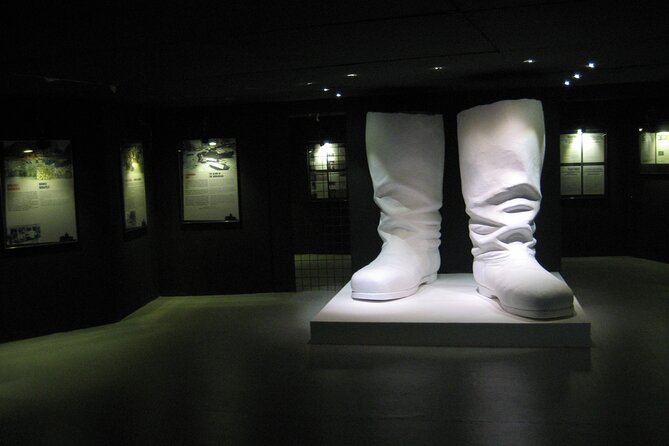
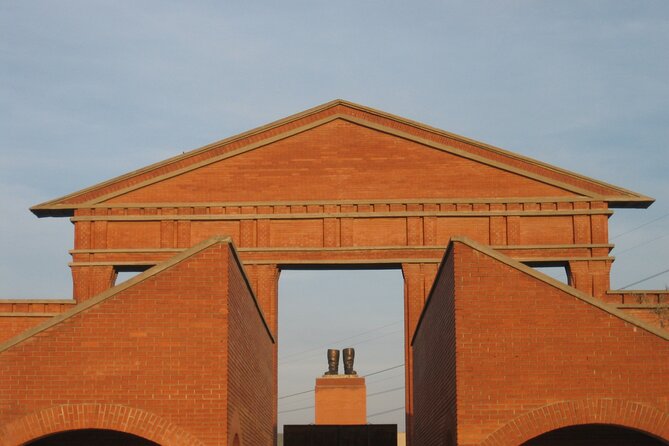
One of the unusual features at Memento Park is Stalin’s Grandstand. The name refers to the remains of a monument connected with Stalin-era public display. It offers a physical reminder of how political authority was presented to crowds.
The grandstand is more than a photo stop. It helps you think about the relationship between public ceremony and power. Leaders did not simply appear in public spaces by chance. Architecture, platforms, statues, flags, and crowds all helped stage the image of a strong and united state.
The park also includes a movie show and a photo exhibition in the Barrack. These add material beyond the statues and give you more to consider after the guided section. If you like visual history, plan to stay for these rather than leaving as soon as the walking tour ends.
Then there is the Trabant, the boxy East German car that became familiar across the communist bloc. Its presence adds an everyday object to a place filled with grand political symbols. The statues speak about ideology from above, while the car points toward ordinary transport and daily life.
These extras are important because they widen the experience. Memento Park is not only about monumental sculpture. It also uses film, photographs, architecture, and a familiar vehicle to show how the period looked and felt.
Is the $30.04 price good value?
At $30.04 per person, this is not the cheapest independent sightseeing stop in Budapest. You could pay admission and look around on your own, but the main value here is the English explanation that connects the objects.
I see the price as reasonable if you care about context and want a focused visit. Admission is included, the group is small, and the guide gives you a structured introduction rather than leaving you to guess at the meaning of each monument.
The value is less clear if you only want a quick set of unusual photographs. In that case, the travel time to the park may feel out of proportion to the visit. You should also remember that the advertised experience lasts about one hour to one hour and ten minutes, with possible extra time for questions and independent exploration.
The tour is particularly worthwhile for people who enjoy political history, public art, twentieth-century Europe, or places that preserve difficult parts of the past. Families with older children and teenagers may also find the large statues and Trabant more memorable than a conventional history display.
Getting to the park and planning your time
The meeting point is at Balatoni út and Szabadkai utca in Budapest’s 1222 district. The site is near public transportation, but the information provided does not specify a particular route, station, or journey time. Check your route before leaving and allow a margin for the trip.
Arrive with enough time to find the meeting point. The start is fixed at 11:30 am, and a late arrival could mean missing the introduction that explains how to read the park.
Since the activity ends where it begins, you can plan your next stop from the same area. The mobile ticket makes booking and entry simple, and confirmation is provided at the time of booking.
The park is an outdoor place, so comfortable walking shoes are sensible. That is practical advice rather than a special requirement, since much of the experience involves moving between sculptures and listening while standing.
Who will get the most from this tour?
I would choose this experience if you prefer a clear explanation over a free-form visit. The guide’s role is central, not decorative. Several parts of the park make much more sense once someone explains the political language and artistic choices behind them.
It suits:
- First-time visitors who want a different side of Budapest
- People interested in communist-era Europe and twentieth-century politics
- Art lovers who want help interpreting public sculpture
- Families with older children who can discuss propaganda and public memory
- Visitors who prefer small groups to large organized outings
- Anyone who wants a short, focused activity rather than a full-day excursion
It may not suit you if your Budapest schedule is packed with central sights and you dislike spending time reaching an outlying attraction. It is also less rewarding if you plan to rush through without staying for the exhibition, movie, questions, or extra objects.
Service animals are allowed, and most people can participate. The tour is offered in English only, so you should be comfortable following a historical explanation in that language.
How to make the most of your visit
Keep the first part of the visit open to the guide. It is tempting to begin photographing every statue, but the explanations build from the general history to the details. Listening first makes the later photos more meaningful.
Use the question period. Ask about a statue’s original location, how people responded to it, or why it was preserved rather than destroyed. The guide’s roughly 20 minutes of additional availability can help turn a standard walk into a more personal visit.
After the formal tour, stay for the movie show and photo exhibition in the Barrack. These provide another way to understand the period and may help you connect the sculptures with real places and events.
Finally, make time for Stalin’s Grandstand and the Trabant. They are easy to treat as quick curiosities, but both add useful contrast to the large monuments. One speaks to political theater, while the other brings the subject closer to ordinary life.
Should you book the Memento Park guided tour?
Book it if you want to understand what you are seeing. The guide is the key reason to choose this version, especially if you have little background in Hungarian communism or Soviet influence. A small group, included admission, question time, and access to the park’s extra displays make the $30.04 cost fair for a focused cultural visit.
Skip it if your priority is staying in central Budapest or taking only a few photographs. The location requires planning, and the park is most rewarding when you give it time and attention.
For me, the decision is simple: if Memento Park is on your list, choose the guided option. The statues provide the setting, but the stories, political context, and artistic interpretation give the place its meaning.
FAQ
Where does the tour start?
It starts at Memento Park, at Balatoni út and Szabadkai utca sarok, 1222 Budapest, Hungary.
What time does the tour begin?
The guided visit begins at 11:30 am.
How long does the experience last?
The advertised duration is about one hour to one hour and ten minutes. The guided portion is about 70 minutes, and the guide may remain for roughly 20 minutes of questions afterward.
Where does the tour finish?
The activity ends back at the Memento Park meeting point.
Is admission to Memento Park included?
Yes. The admission ticket is included in the experience.
Is the tour offered in English?
Yes. English is the listed language for the guided tour.
How many people can join the tour?
The group has a maximum of 15 people.
What can I see after the guided walk?
You can take photos, explore the park, watch the movie show, visit the photo exhibition in the Barrack, see Stalin’s Grandstand, and look at the Trabant.
Is the park near public transportation?
Yes. The activity information states that Memento Park is near public transportation.
Can I cancel for a full refund?
Yes, if you cancel at least 24 hours before the experience start time. Cancellations made less than 24 hours in advance are not refunded, and changes within that period are not accepted.
Recently added around Budapest
- Budapest: Private Walking Tour with a Local Guide★ 3.6 · 6 reviews
- From Budapest: Guided Tour of Eger with Wine Tasting★ 4.5 · 6 reviews
- Budapest: City Bike Tour with Coffee Stop★ 5.0 · 37 reviews
- Budapest: Danube River Views Bike Ride★ 4.8 · 23 reviews
- Budapest: Vacation Photographer to collect great memories★ 5.0 · 49 reviews
- Walk to recent and aged spiritual sanctuaries near Budapest★ 5.0 · 5 reviews
- Trash Art Museum: Hungary’s First Scrap Metal Exhibition★ 4.3 · 72 reviews
- Budapest: Multilingual Highlights Tour★ 4.8 · 89 reviews
Communist History Tours, compared.
Communist History Tour with House of Terror Option
Read our review →
3-Hour Walking Tour About Communism (Small Group)
Read our review →
Lives of Hungarians Under Communist and Capitalist system
Read our review →
Private Budapest Hammer & Sickle Communist Times Tour
Read our review →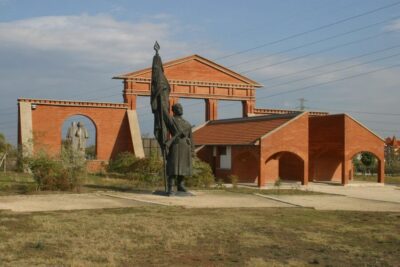
Browse the lists this tour appears in