
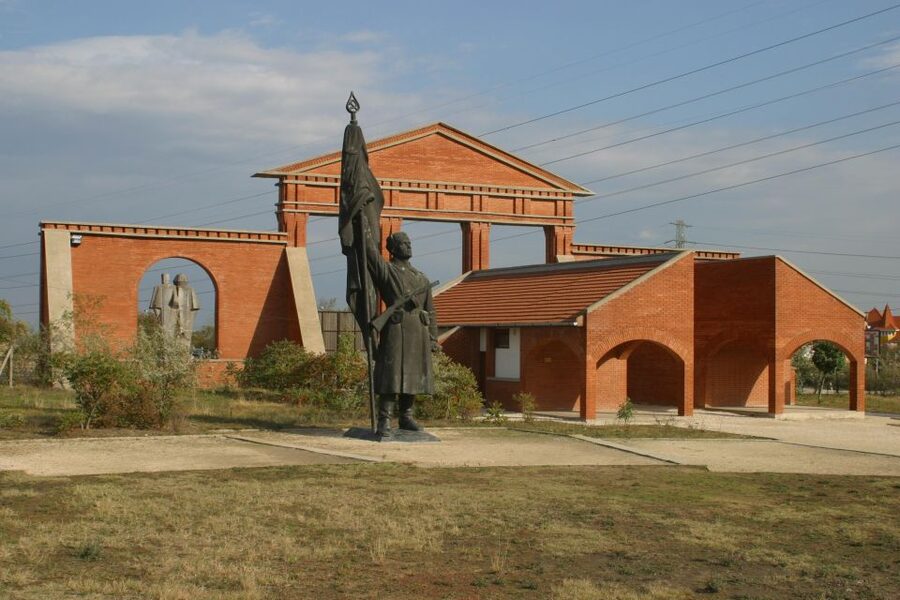
Reviewed · COMMUNIST HISTORY TOURS
Budapest: Memento Park Ticket
Budapest’s Memento Park does something unusual: it puts the city’s old communist statues in one place, where you can look at them with historical distance instead of finding them in the middle of daily life. The giant figures of Lenin, Soviet soldiers, workers, and allegorical heroes show how public art once served the state.
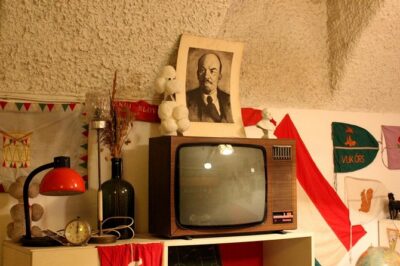
I like the sheer scale of the monuments and the useful indoor material, especially the secret-service film and photo exhibition. I also like that you can sit in an original Trabant, a small but memorable touch that keeps the visit from becoming too solemn.
The main drawback is location and access. Transportation is not included, the paths are gravel, and the site is not suitable for wheelchair users. Allow time to check current public transport information, since roadworks have affected bus stops near the park.
Key points to know before you go
- Stalin’s grandstand greets you at the entrance: This replica recalls the platform used for Socialist holiday parades.
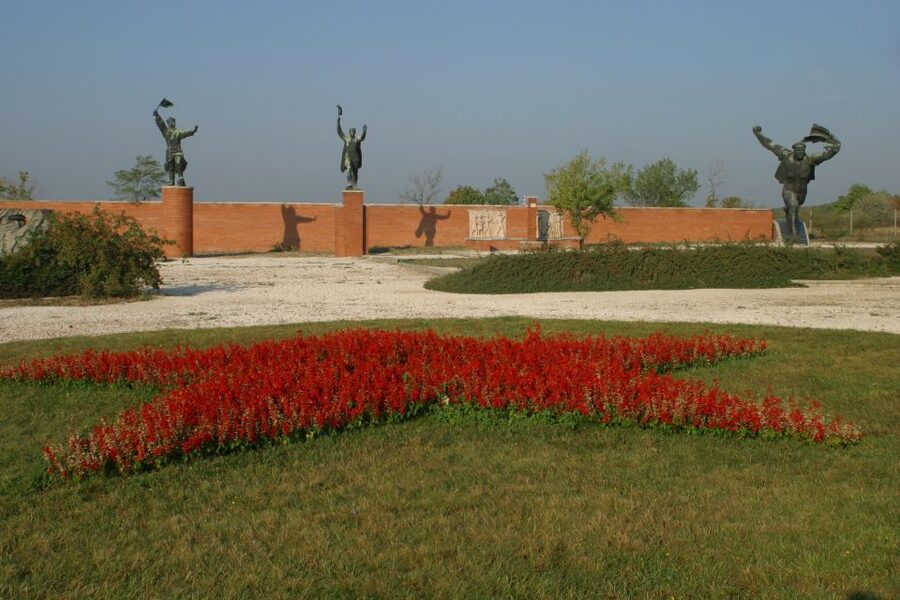
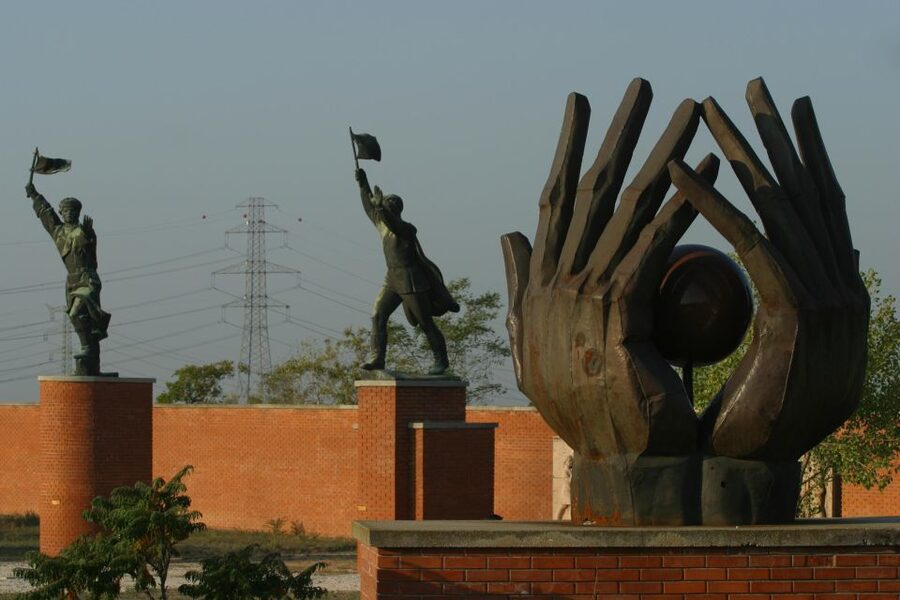
- The statues were removed from Budapest’s streets: Memento Park preserves them as reminders of the communist era.
- The Life of an Agent adds political context: The documentary examines Hungary’s former secret service.
- The Trabant makes the visit more playful: You can sit in the original car and take photographs.
- Admission costs about $10 per person: That is reasonable for a full-day-valid ticket with several exhibits.
- This is a self-guided visit: No guide or transportation is included, so you set your own pace.
Why Budapest moved its communist statues to Memento Park
After the end of Hungary’s communist era, statues linked to the regime were removed from Budapest’s public spaces. Rather than destroy every monument, the city brought many of them together at Memento Park.
That choice gives the park its particular purpose. You are not simply looking at old sculpture. You are seeing the visual language of a political system that once filled streets and squares with images of workers, soldiers, liberation, and party ideals.
The setting also changes how the statues feel. A monument that once commanded attention in a central square now sits among other symbols from the same period. The result is part museum, part open-air archive, and part warning about how public art can shape political memory.
I find the park most useful if you take a little time to consider the original setting of each piece. These were not private decorations. They were designed to be seen by thousands of people during state ceremonies, political celebrations, and ordinary city life.
More communist history tours in Budapest:
- Budapest: Communist History Tour with House of Terror Option
★ 4.8 · 182 reviews - Budapest: 3-Hour Walking Tour About Communism (Small Group)
★ 4.7 · 70 reviews - Communism in Hungary with a Historian
★ 5.0 · 70 reviews
Entering beneath Stalin’s grandstand
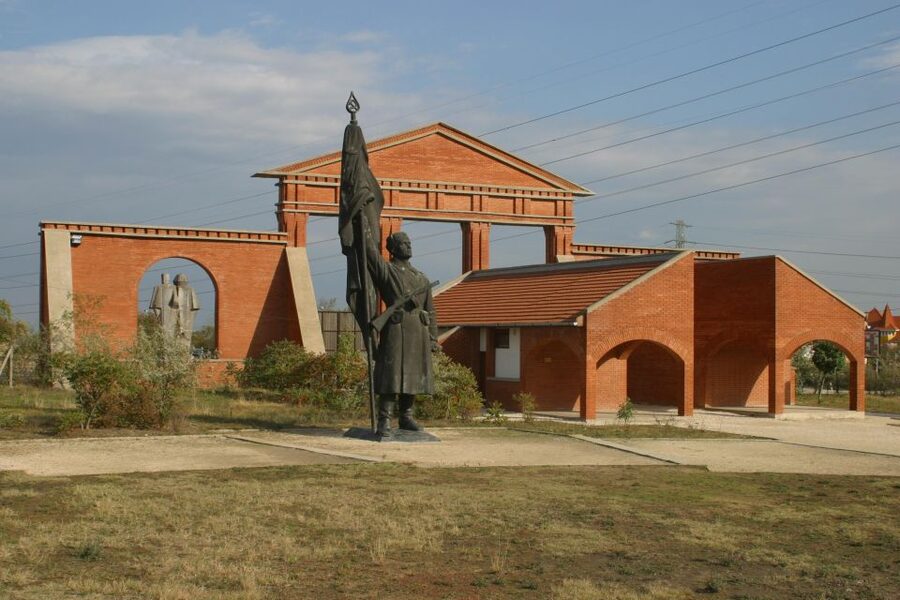
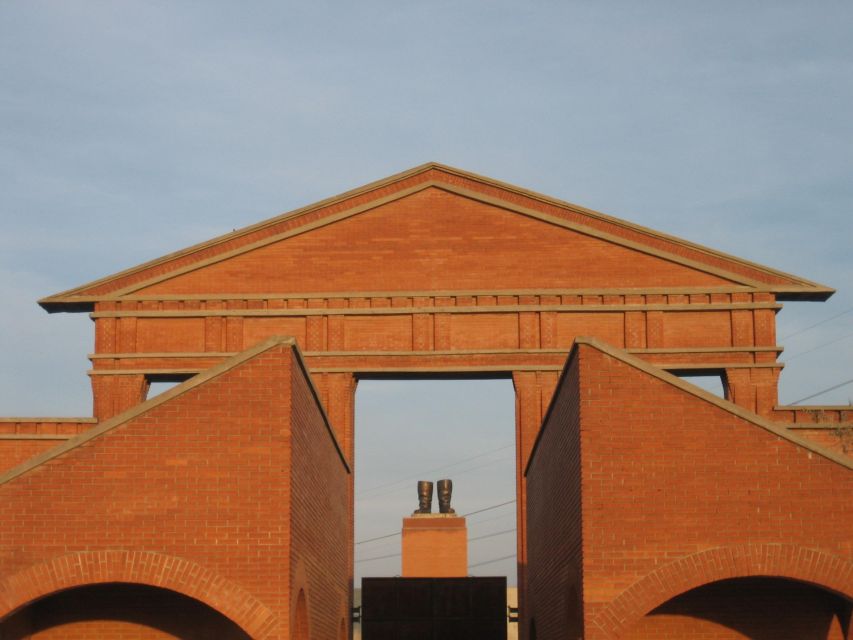
The first major sight is Stalin’s grandstand, a replica of the platform once used in a former parade square. Party and state leaders watched Socialist holiday celebrations from such a platform, while crowds gathered below.
The grandstand gives you an immediate sense of scale. It is not just another statue or display panel. It represents the stage-managed side of the old political system, where public ceremonies turned power into theater.
The park includes more statues, exhibitions, and views around this area. Take a moment here before rushing toward the larger figures. The grandstand helps explain why the monuments were made so large and why their placement mattered.
This part of the visit can feel stark rather than polished. That is appropriate to the subject, but you should not expect a traditional museum entrance with a long indoor orientation. You arrive, present your voucher at the entrance, and begin exploring the grounds at your own pace.
Meeting Lenin, Red Army soldiers, and socialist heroes
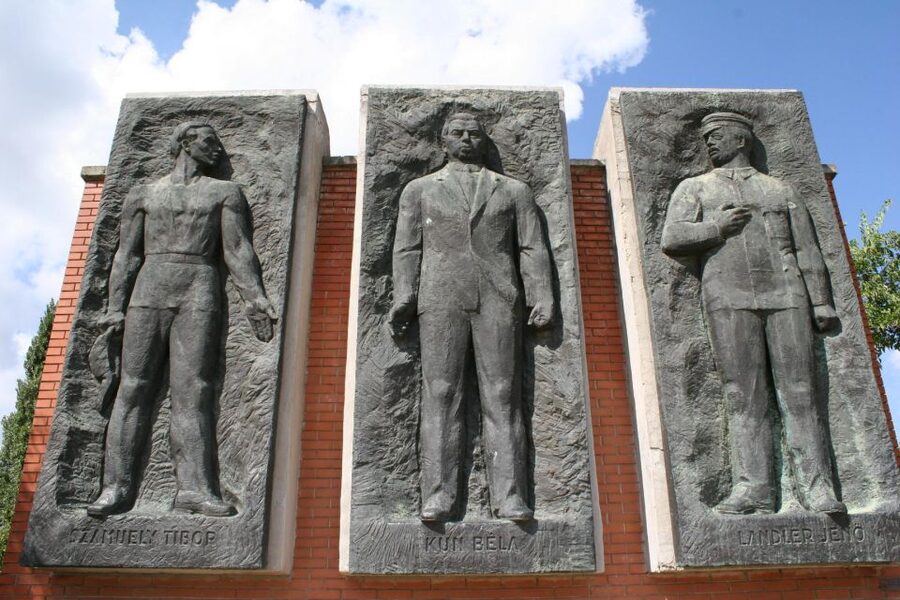
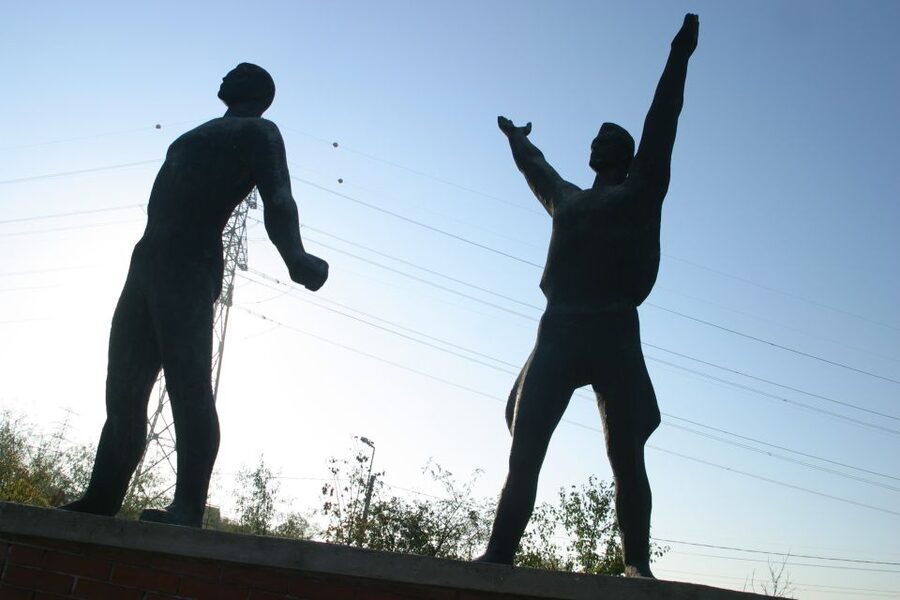
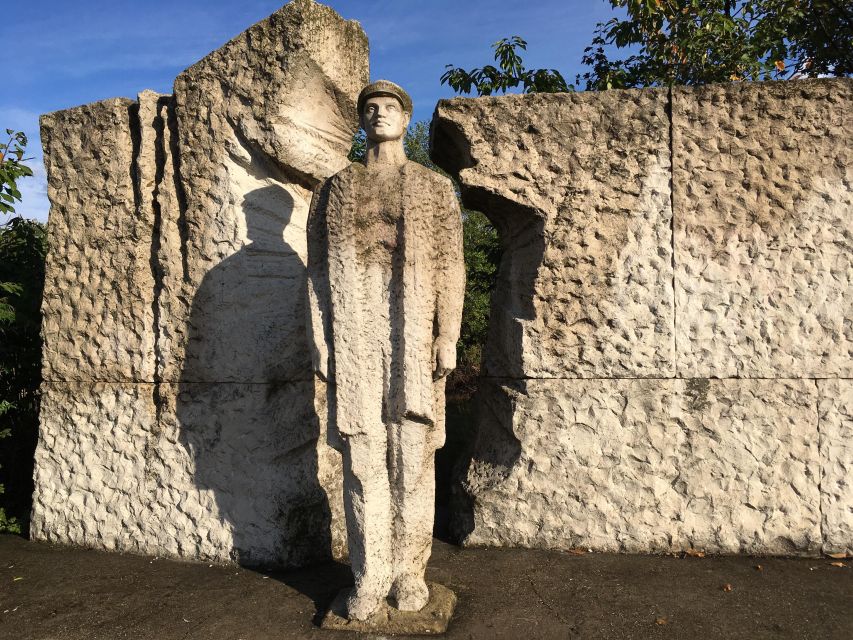
The main open-air collection includes a statue of Lenin, figures connected with the labor movement, allegorical monuments of liberation, and soldiers of the Soviet Red Army.
The pieces are easy to approach, which makes the visit more direct than viewing a monument from behind a fence in a city square. You can look closely at the poses, clothing, gestures, and expressions. Many of the figures were built to communicate strength, unity, sacrifice, or loyalty to the state.
Lenin is one of the park’s natural photo points. You can pose beside the statue, as well as beside the Soviet soldiers. That lighthearted approach is part of the park’s character. The subject is serious, but you are allowed to examine these symbols without treating them as untouchable objects.
I like the contrast between the statues’ original purpose and their current role. They were meant to inspire obedience and political faith. Here, they invite questions about propaganda, memory, and the way political symbols change after a government falls.
Do not expect every monument to come with a long explanation directly beside it. The park is best for visitors who enjoy looking closely and thinking about what they see. If you want a detailed explanation of each statue, a guided tour would be useful, but this ticket does not include one.
The Most Cheerful Barrack and the former secret service
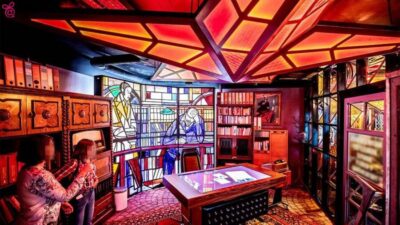
The indoor material gives the open-air collection a stronger historical frame. In The Most Cheerful Barrack, you can see a photo exhibition and watch The Life of an Agent, a documentary about Hungary’s former political secret service.
The name of the exhibit has a dry, ironic edge. It points toward the carefully managed public image of the communist period, when official language often presented daily life as orderly and happy even when political control was strong.
The documentary is especially worthwhile if you want more than a photo stop. The statues show the public face of the era. The film turns attention toward surveillance, state power, and the people who worked within the former political security system.
Set aside enough time to watch the film rather than treating it as background decoration. The supplied information does not give a running time, so I would avoid planning your visit around a very tight schedule.
The photo exhibition also helps bridge the gap between the sculptures and real life. Public monuments can seem abstract when removed from their old setting. Photographs help show how this political imagery fit into ceremonies, streets, and official events.
A few more Budapest half-days to weigh up
- Budapest: City Highlights Cruise with Welcome Drink
★ 4.6 · 35,610 reviews - Budapest: Unlimited Prosecco, Beer and Aperol Spritz Cruise
★ 4.8 · 25,310 reviews - Budapest: Széchenyi Spa Day Ticket with Optional Upgrades
★ 4.3 · 23,911 reviews - Budapest: Nighttime or Daytime Sightseeing Cruise
★ 4.2 · 21,062 reviews
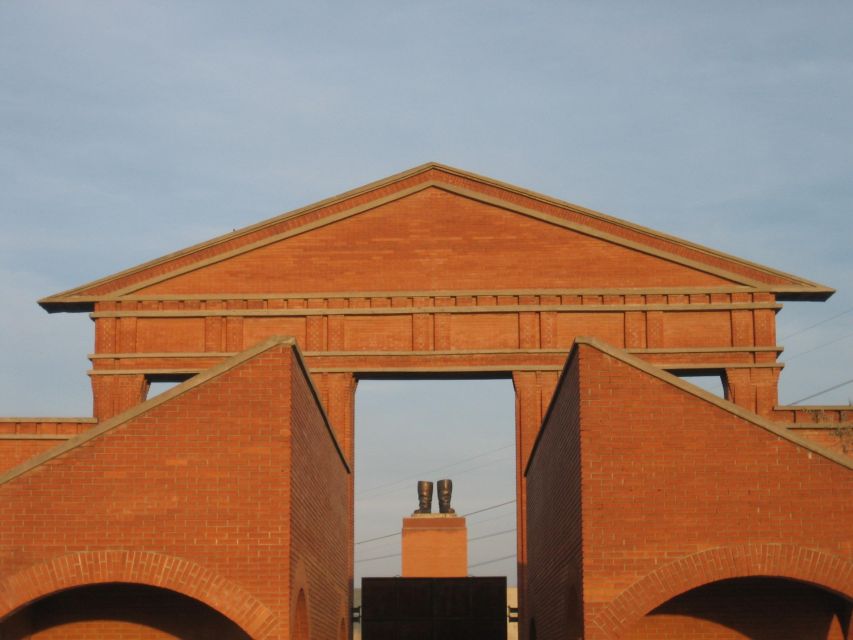
Under Stalin’s Boots: displays beyond the statues
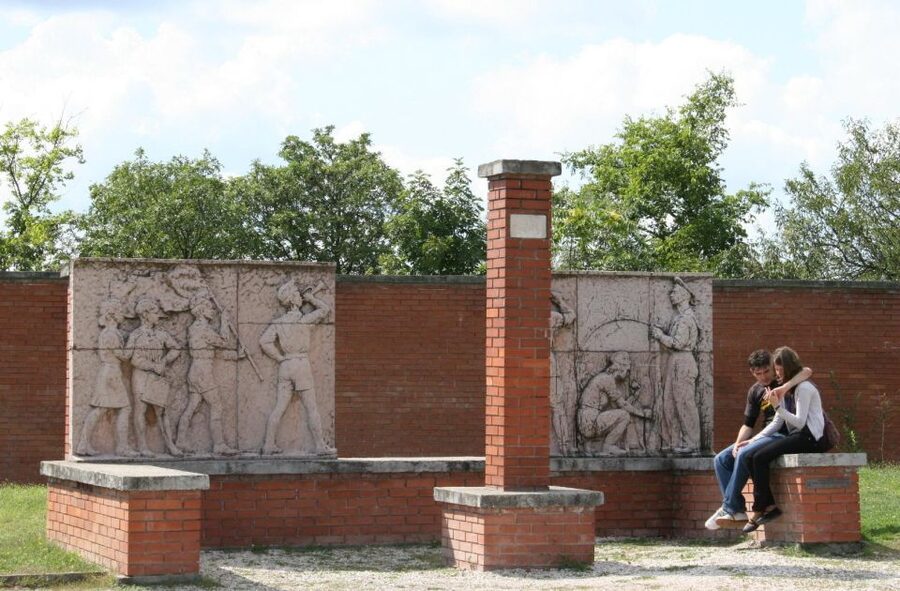
Another section, located under Stalin’s Boots, includes a storage showroom and art exhibition. This is a useful change of pace after walking among the large outdoor figures.
The storage showroom suggests how a city handles monuments after political change. Instead of pretending the old symbols never existed, Memento Park keeps them visible and places them in a setting where you can examine them critically.
The art exhibition adds another layer to the visit. The park is not only about official statues. It also gives you a chance to think about how artists and institutions deal with the remains of a former political order.
Because the collection covers several types of material, the visit does not depend on one spectacular monument. You can spend more time with the outdoor pieces, watch the documentary, study the photographs, or browse the indoor displays. That flexibility is useful if people in your group have different interests.
The Trabant photo stop
The original Trabant is one of the park’s most approachable attractions. You can sit inside the car and take photographs.
The Trabant was a familiar car in the former Eastern Bloc, and its presence adds an everyday object to a collection otherwise dominated by monumental political figures. A giant statue tells you how a regime wanted to be seen. The Trabant gives you a more ordinary sense of the period.
This is also where the park feels most relaxed. You can take a playful picture without losing sight of the larger subject. The car makes the visit more engaging for families and for anyone who prefers a museum experience with a few hands-on moments.
Do not mistake the Trabant for a separate transport display with a large vehicle collection. The included attraction is an original car for photographs. Its value is in the connection between daily life and the grand political imagery around it.
How much time and value should you expect for $10?
The ticket costs about $10 per person and is valid for one day. For that price, you receive admission to the park, the photo exhibition and film in The Most Cheerful Barrack, the storage showroom and art exhibition under Stalin’s Boots, and access to the original Trabant.
That is good value if you plan to use the indoor exhibits and give the statues proper attention. The price is less attractive if you only want a quick photograph at the entrance, since transportation is not included and the park sits outside central Budapest.
The one-day validity gives you flexibility, though the available information does not specify opening hours or a fixed visit length. Check the available starting information before booking and allow enough time for walking, the film, photographs, and the displays.
There is no guided tour included. That keeps the ticket simple and lets you move at your own pace, but you need to supply your own context. Read the exhibit material carefully and treat the documentary as an important part of the visit, not an optional extra.
A full lunch stop is not part of the experience. One practical comment about the site is that a café for drinks and lunch would be useful. Plan accordingly rather than assuming you can spend the whole day dining at the park.
Getting there without a built-in transfer
You must arrange your own transportation to Memento Park. The meeting point is the entrance at the corner of Balatoni út and Szabadkai utca, 1223 Budapest, Hungary.
Present your voucher at the entrance. Since the ticket does not include a guide, transfer, or group transport, you are responsible for checking the current route and stop information.
This matters more than it might seem. Bus 101E and bus 150 have not always stopped close to Memento Park, and roadworks can change local arrangements. Check the latest transport details on the day you go, especially if your route depends on a particular stop.
The location makes Memento Park feel separate from the central sightseeing circuit. That is part of its value, since the park has room for large monuments and a quieter setting. It also means you should not treat it as a quick detour between Parliament and the Castle District.
Gravel paths and practical comfort
The paths are covered with gravel. You should wear comfortable shoes and expect an outdoor visit rather than a fully paved museum route.
The site is not suitable for wheelchair users according to the provided access information. If mobility is a concern, check directly with the provider before booking instead of assuming that every display can be reached easily.
Weather may also affect your comfort because much of the experience takes place outdoors. The indoor film and exhibitions provide some relief, but the statues and grandstand are the heart of the visit.
Bring enough time for unhurried walking. The park’s impact comes from seeing the monuments together, not from racing through a checklist of names.
Who will appreciate Memento Park most?
I would recommend this ticket to you if you are interested in political history, public art, twentieth-century Europe, or the way cities handle difficult monuments. It also suits photographers, since the statues, grandstand, and Trabant offer distinctive images.
Families may appreciate the open-air layout and the chance to sit in the car. The experience is also a good fit for visitors who want something different from Budapest’s churches, palaces, and thermal baths.
You may enjoy it less if you want a polished, highly guided museum with detailed explanations at every stop. The park is self-guided, somewhat remote from the center, and partly dependent on your own curiosity.
The overall rating is 4.5 out of 5 from 46 ratings, which matches the park’s strongest qualities: the unusual collection, the large statues, and the clear sense of place. The practical weaknesses are also clear: transport needs attention, gravel can be difficult, and food options are limited.
Should you book the Memento Park ticket?
Book it if you want to understand how communist Hungary presented itself through monuments, ceremonies, and political imagery. The $10 admission is fair because it covers the outdoor collection, the film, photo exhibition, storage display, art exhibition, and Trabant.
I would make the documentary and indoor exhibits part of your plan, not just the statue walk. Check transport conditions before leaving, bring comfortable shoes, and do not book if a gravel site will create access problems.
For a self-guided visit with unusual photographs and serious historical material, Memento Park is a worthwhile addition to Budapest. It is not the easiest attraction to reach, but it gives you something the city center cannot: a concentrated look at the visual remains of a fallen political system.
FAQ
Where is Memento Park located?
Memento Park is at the corner of Balatoni út and Szabadkai utca, 1223 Budapest, Hungary.
How much does admission cost?
The listed price is $10 per person.
How long is the ticket valid?
The ticket is valid for one day.
Is transportation included?
No. You must arrange your own transportation to and from Memento Park.
Is a guided tour included?
No. The ticket provides admission, but no guided tour is included.
What can I see at Memento Park?
You can see communist-era monuments, liberation statues, labor movement figures, Red Army soldiers, Lenin, Stalin’s grandstand, indoor exhibitions, and an original Trabant car.
Is the documentary included?
Yes. Admission includes the photo exhibition and the film The Life of an Agent in The Most Cheerful Barrack.
Can I cancel the booking?
You can cancel up to 24 hours in advance for a full refund.
Is Memento Park suitable for wheelchair users?
No. The paths are gravel, and the experience is listed as unsuitable for wheelchair users.
Recently added around Budapest
- Budapest: Private Walking Tour with a Local Guide★ 3.6 · 6 reviews
- From Budapest: Guided Tour of Eger with Wine Tasting★ 4.5 · 6 reviews
- Budapest: City Bike Tour with Coffee Stop★ 5.0 · 37 reviews
- Budapest: Danube River Views Bike Ride★ 4.8 · 23 reviews
- Budapest: Vacation Photographer to collect great memories★ 5.0 · 49 reviews
- Walk to recent and aged spiritual sanctuaries near Budapest★ 5.0 · 5 reviews
- True Crime Walking Tour in the Buda Castle district★ 5.0 · 26 reviews
- Trash Art Museum: Hungary’s First Scrap Metal Exhibition★ 4.3 · 72 reviews
Communist History Tours, compared.
Communist History Tour with House of Terror Option
Read our review →
3-Hour Walking Tour About Communism (Small Group)
Read our review →
Lives of Hungarians Under Communist and Capitalist system
Read our review →
Private Budapest Hammer & Sickle Communist Times Tour
Read our review →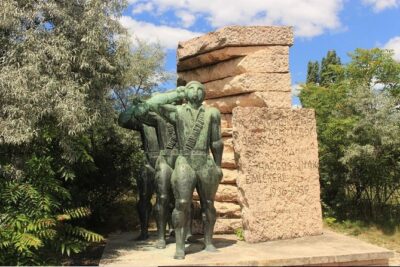
Browse the lists this tour appears in