
Reviewed · COMMUNIST HISTORY TOURS
Life Under Communism with House of Terror or Statue Park
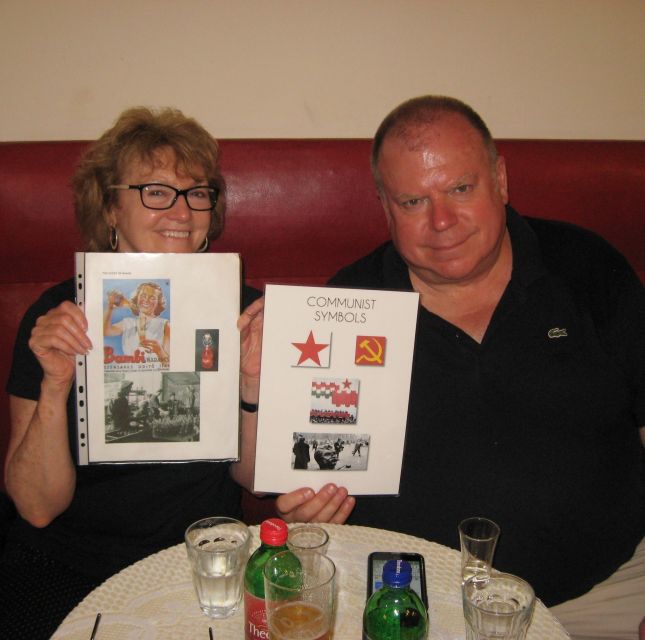
Budapest’s communist past becomes easier to grasp over coffee at Bambi Eszpresszó, a real meeting place linked with the city’s 1980s life. Instead of only looking at monuments, you’ll talk through how the system worked and what it meant at home, at work, in shops, and on the street.
I like the private format, which lets Annamaria and Miklos adjust the discussion to your background and questions. I also like that the experience includes Budapest’s public transport, giving you a practical look at the city while connecting its present streets with its recent past.
The main consideration is that this is an educational walking and transit experience, not a polished sightseeing circuit. With three hours, the pace can include walking and transfers, and the tour is not suitable for people with mobility impairments.
Key points at a glance
- Bambi Eszpresszó sets the tone: Begin at an emblematic 1980s meeting place rather than a standard tourist attraction.
- Daily life takes center stage: Learn how communism affected shopping, work, housing, public behavior, and family life.
- A private group keeps the talk flexible: The guide can adapt the level of detail to your interests and prior knowledge.
- Public transport adds local context: You travel through Budapest instead of viewing the period only from a tour vehicle.
- Choose between major communist-era sites: The program includes the House of Terror or Statue Park, depending on the arrangement.
- Good value for a small group: The $282 rate covers up to five people, making the cost more reasonable when shared by a family or group of friends.
Starting at Bambi Eszpresszó in 1980s Budapest
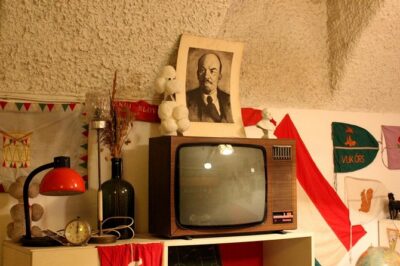
The meeting point is more than a place to grab a drink. Bambi Eszpresszó is presented as a symbolic gathering spot from the 1980s, so it gives the tour a fitting first scene. You begin in a setting tied to ordinary urban life, not with a grand political building or a long list of dates.
That choice matters. Communism is often taught through leaders, borders, and speeches. This experience starts closer to the ground. You are invited to consider how an ordinary person encountered the system during a normal day.
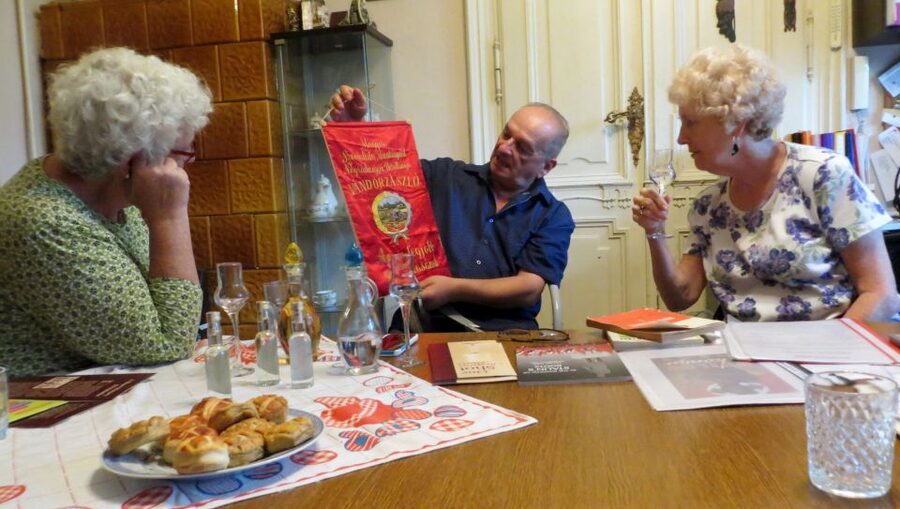
The opening presentation explains communism at several levels. You can expect discussion of how the political system operated, followed by a closer look at the practical effects on people living in Budapest from the 1960s through the late 1980s.
The format includes printed materials, notebooks, and pens. Those details suggest a talk built around participation rather than simply listening to a prepared speech. Bring questions. The private setting is best used as a conversation, especially if your group has family connections to Central Europe or already knows the broad outline of the Cold War.
More communist history tours in Budapest:
- Budapest: Communist History Tour with House of Terror Option
★ 4.8 · 182 reviews - Budapest: 3-Hour Walking Tour About Communism (Small Group)
★ 4.7 · 70 reviews - Communism in Hungary with a Historian
★ 5.0 · 70 reviews
From political system to everyday routines
The strongest part of this experience is its focus on daily life. You are not simply told that Hungary was communist. You are shown how that fact could shape ordinary decisions and expectations.
The tour sets out to explain how the system worked on more than one level. That can include the official political structure, the practical limits placed on people, and the habits that developed in response. The useful question is not only who held power, but how that power reached into daily routines.
You can expect the conversation to cover life in Budapest between the 1960s and the late 1980s. The period was long, and conditions did not remain exactly the same throughout it. A good guide can help you distinguish the early decades from the later years, rather than treating the entire era as one unchanging block.
The personal angle is important. Miklos and Annamaria are described as guides who can tailor the program to the group’s interests and knowledge. One guide has also shared personal memories of living through Hungary’s communist period. That kind of first-hand context can explain the difference between official slogans and the way people actually behaved.
You should still expect interpretation, not a full academic lecture. Three hours is enough to build a clear picture, but not enough to cover every political shift or social group in detail. If you want more attention on censorship, economics, family life, religion, architecture, or the end of communism, say so at the start.
Riding public transport through present-day Budapest
The tour includes public transportation, and that is a useful part of the experience rather than a minor transfer. You move through Budapest as residents do, connecting the discussion with the city you are visiting now.
A public transport ride also gives the guide a chance to point out parts of Budapest you might otherwise miss. The route can make the city feel less like a collection of tourist sights and more like a place where the past and present occupy the same streets.
You should wear comfortable shoes and clothing suited to the weather. The details of the route are not fixed in the information provided, so expect the exact sequence to depend on the guide and your group’s interests. This flexibility is helpful, but it also means you should not book the experience expecting a rigid checklist of stops.
The same point applies to pacing. The tour lasts three hours, but some of that time may be spent walking or using transit. For most people, this makes the program more varied. If you have trouble walking or standing, take the accessibility warning seriously, since the activity is not suitable for people with mobility impairments.
House of Terror or Statue Park
The experience includes the House of Terror or Statue Park. The supplied details do not specify which site every group visits, so confirm the exact arrangement when booking or contact the local partner with your preference.
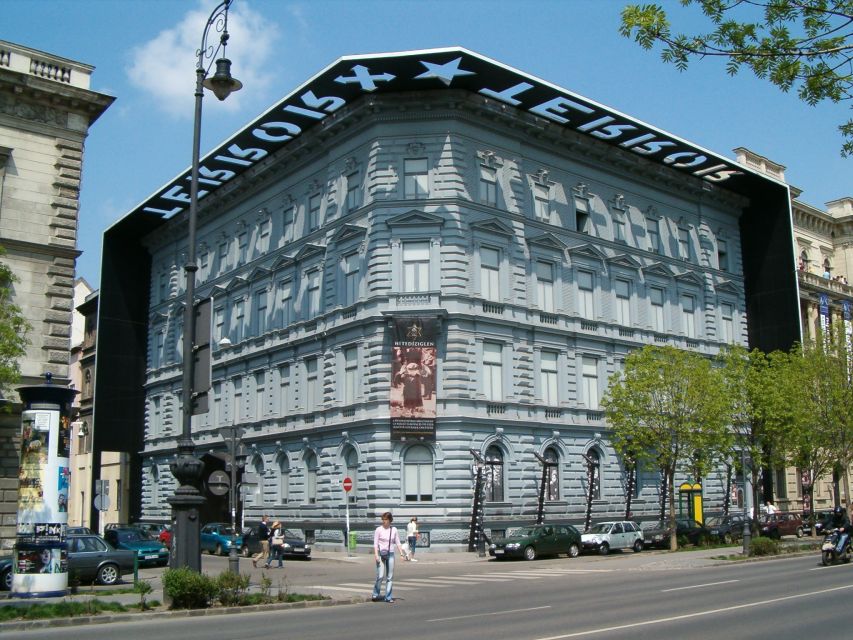
The House of Terror gives the subject a powerful indoor setting. Its name refers to the dictatorships that affected Hungary, including the communist period. If your group visits it, you will have a museum setting to support the guide’s explanation of repression and political power.
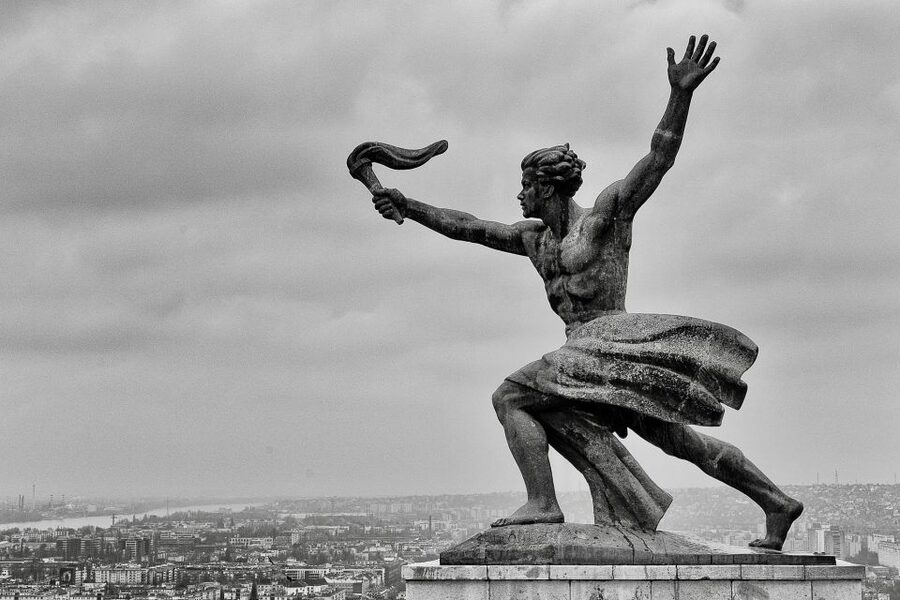
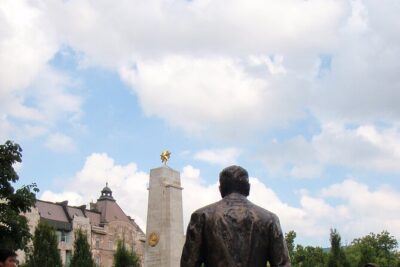
Statue Park offers a different kind of encounter. It is associated with the communist-era statues removed from central Budapest after the political changes. Seeing these monuments gathered outside their original setting can help you think about how public symbols change meaning when the system behind them disappears.
These options are not interchangeable. The House of Terror is more focused on a museum presentation of twentieth-century dictatorship. Statue Park is more about monuments, public memory, and what happens to political symbols after a regime ends.
Since the program can be adapted, tell the guide what you hope to understand. If you want a stronger museum component, ask about the House of Terror. If you are more interested in communist-era sculpture and the treatment of old symbols, ask about Statue Park.
Do not expect to cover both sites in depth during a three-hour private tour unless the guide confirms that plan. Budapest’s distances, opening arrangements, and public transport connections can affect what fits comfortably into the schedule.
A few more Budapest half-days to weigh up
- Budapest: City Highlights Cruise with Welcome Drink
★ 4.6 · 35,610 reviews - Budapest: Unlimited Prosecco, Beer and Aperol Spritz Cruise
★ 4.8 · 25,310 reviews - Budapest: Széchenyi Spa Day Ticket with Optional Upgrades
★ 4.3 · 23,911 reviews - Budapest: Nighttime or Daytime Sightseeing Cruise
★ 4.2 · 21,062 reviews
Why the private format matters
A private group of up to five people changes the feel of the tour. You are not trying to squeeze a question into a large crowd or follow a guide who must keep every person at the same level.
This matters especially for a topic like communism. Your group may know very little about Hungary, or someone in the group may have lived through a similar political system. The guide can adjust the explanation rather than giving everyone the same short version.
The tour has received especially strong praise for its flexible conversation. The guide can adapt the route and depth of discussion to what interests you. That makes this a good choice for curious adults, history students, families with older children, and anyone who prefers asking questions to listening quietly.
The private setting also gives you room for honest dialogue. Political history can become stiff when reduced to a standard script. A small group lets you ask about contradictions, personal memories, and the gap between public behavior and private opinion.
There is a tradeoff. A private tour costs more than joining a large group. The listed price is $282 for up to five people, not per person. For one or two people, that is a substantial expense. For five, it works out to about $56.40 per person, before any drinks or other costs.
That price includes the guide, the interactive presentation, printed materials, notebooks, and pens. It does not include food, drinks, or transportation costs. Since you use public transport during the program, check whether those fares are paid separately by your group.
A practical three-hour plan
The precise itinerary can change, but the experience follows a clear pattern.
You begin with pickup at your accommodation in Budapest. The guide meets you there, and you make your way together to the first stop. When booking, tell the local partner where you would like to be picked up and mention any special requests.
At Bambi Eszpresszó, the guide establishes the period and explains why the location mattered in 1980s Budapest. This is a natural time to ask about the difference between official life and personal life.
The central presentation then builds the wider picture. You learn how the communist system worked and how it affected ordinary life from the 1960s through the late 1980s. The printed materials and writing supplies support the interactive format.
After that, you travel through Budapest by public transport and continue the discussion at the selected site, either the House of Terror or Statue Park. The movement between locations helps connect historical ideas with actual parts of the city.
The final section gives you time to compare the communist period with Hungary’s changes over the past fifty years. The guide also discusses remnants of that era that can still be noticed today. The supplied information does not identify every remnant or guarantee a fixed list of sights, so ask the guide to focus on the subjects you care about most.
Languages, pickup, and booking details
The tour is offered in English, German, and French. If language is important for your group, select the right option at booking and confirm that it is available for your chosen starting time.
Pickup is included from your accommodation in Budapest. You need to provide the location to the local partner. The tour then begins with the guide accompanying you to the first stop.
Starting times vary, so check availability for your date. The duration is three hours. Comfortable shoes and weather-appropriate clothing are sensible choices, since the program involves moving around the city.
The booking terms are useful if your plans are still changing. You can reserve now and pay later, and cancellation is free up to 24 hours before the start for a full refund. Special requests should be shared in advance, although the operator can only adapt the program as far as the timing and route allow.
Who will get the most from it
I would choose this experience if you want history explained through ordinary life rather than only through famous buildings. It is especially suitable if you want to understand what communism meant in practice for people in Budapest.
It also fits visitors who enjoy conversation. The guide can adjust the program to your background, so you do not need to arrive as a history expert. At the same time, someone who already knows the basics can request more detail and use the private setting for follow-up questions.
Families and small groups may find the price easier to justify because the fee covers up to five people. The experience can also work well near the start of a Budapest visit, since the public transport portion and city discussion may help you understand later sights.
I would hesitate if your main goal is a fast tour of famous attractions. This is not designed as a standard sightseeing route. You will spend time listening, asking questions, and considering how political systems shape normal life.
I would also look elsewhere if anyone in your group has significant mobility limitations. The activity is specifically listed as unsuitable for people with mobility impairments, and the combination of walking and public transportation may make the three-hour format tiring.
Should you book this communist-era Budapest tour?
Book it if you want a personal, discussion-based look at Hungary between the 1960s and late 1980s. The best reasons are the small private group, the flexible guide, the start at Bambi Eszpresszó, and the chance to connect political history with daily life.
The $282 price makes the most sense for a group of four or five. Solo visitors and couples should compare it with larger group tours unless the private conversation and pickup are worth the added cost.
Before paying, confirm whether your itinerary includes the House of Terror or Statue Park, and tell Annamaria or Miklos which subjects interest you. If you arrive with a few clear questions, this experience can offer far more than a basic history talk. If you prefer a fixed route with many major sights, choose a different Budapest tour.
FAQ
How long does the experience last?
The tour lasts three hours.
How much does the private tour cost?
The price is $282 for a private group of up to five people.
Where does the tour begin?
The experience begins with pickup at your accommodation in Budapest, followed by travel to Bambi Eszpresszó, an emblematic meeting place associated with the 1980s.
Which languages are available?
The live guide is available in English, German, and French.
Does the price include food and drinks?
No. Food and drinks are not included. Transportation is also listed as not included, even though the tour uses public transportation as part of the experience.
Can the tour be canceled for a full refund?
Yes. You can cancel up to 24 hours in advance for a full refund. You can also reserve now and pay later.
Recently added around Budapest
- Budapest: Private Walking Tour with a Local Guide★ 3.6 · 6 reviews
- From Budapest: Guided Tour of Eger with Wine Tasting★ 4.5 · 6 reviews
- Budapest: City Bike Tour with Coffee Stop★ 5.0 · 37 reviews
- Budapest: Danube River Views Bike Ride★ 4.8 · 23 reviews
- Walk to recent and aged spiritual sanctuaries near Budapest★ 5.0 · 5 reviews
- Budapest: Vacation Photographer to collect great memories★ 5.0 · 49 reviews
- Trash Art Museum: Hungary’s First Scrap Metal Exhibition★ 4.3 · 72 reviews
- Budapest: Multilingual Highlights Tour★ 4.8 · 89 reviews
Communist History Tours, compared.
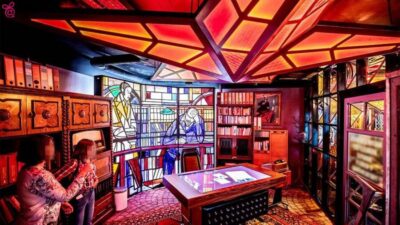
Communist History Tour with House of Terror Option
Read our review →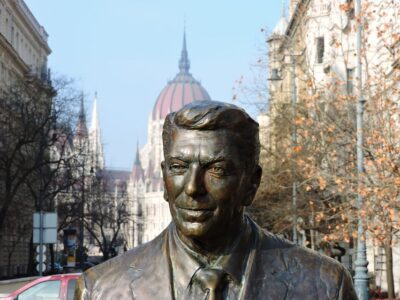
3-Hour Walking Tour About Communism (Small Group)
Read our review →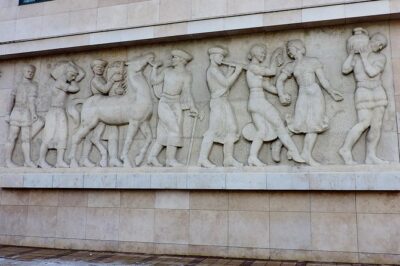
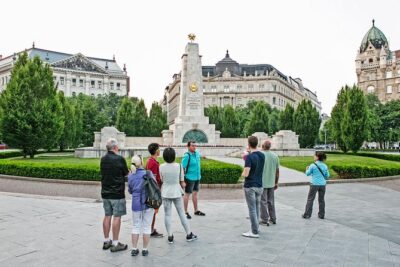
Lives of Hungarians Under Communist and Capitalist system
Read our review →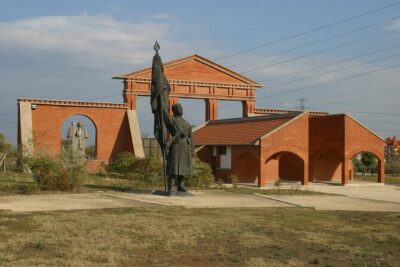
Private Budapest Hammer & Sickle Communist Times Tour
Read our review →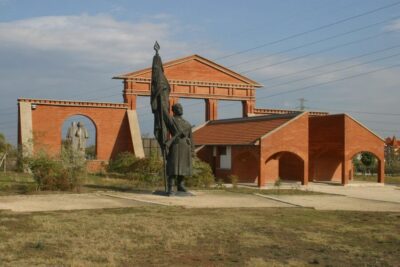
Browse the lists this tour appears in