
Reviewed · COMMUNIST HISTORY TOURS
Budapest: 3-Hour Walking Tour About Communism (Small Group)
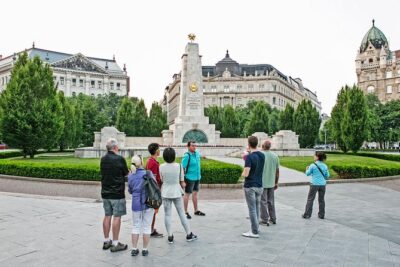
Budapest’s Communist past is not locked inside a museum. It is written into bullet-scarred walls, monuments, subway stations, and ordinary streets. This three-hour walk uses central Pest as a history book, linking World War II, the 1956 Revolution, state socialism, and the fall of Communism in 1989.
I like two things right away: the guide brings personal family stories into the political history, and the tour includes both a ride on the red M2 subway and a drink at a café little changed since 1961. The main consideration is that the tour covers a large stretch of history, so anyone seeking a tightly chronological account may need to ask the guide to pause and organize the timeline.
Key points at a glance
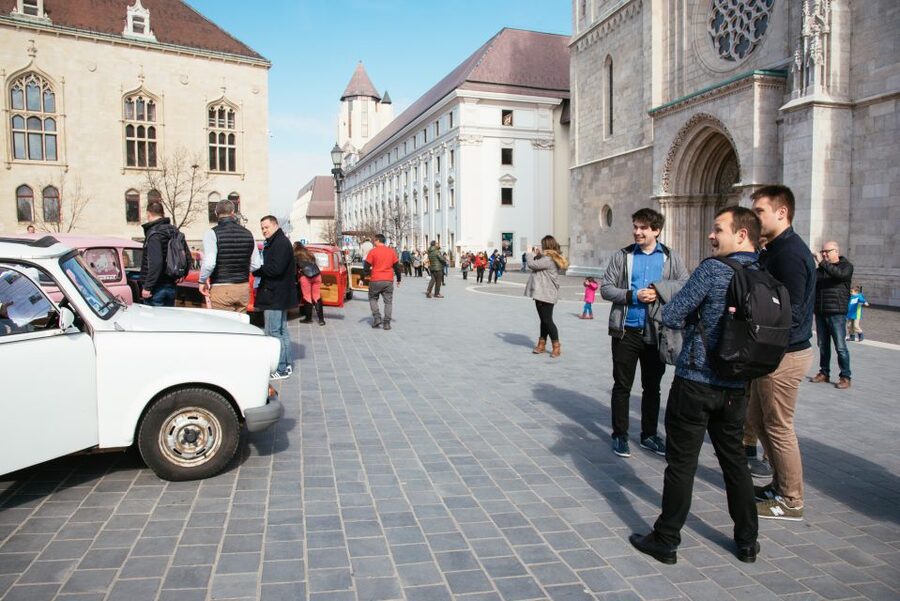
- Central meeting point: Begin in front of Kempinski Hotel Corvinus at Deák tér, facing the Ferris wheel on Erzsébet Square.
- Historian-led commentary: Guides such as Judit, Greg, Zsuzsanna, Monica, Virág, and Gergely bring different personal experiences and teaching styles.
- History in the streets: Look beyond monuments to bullet holes, buildings, symbols, street art, and everyday traces of the Communist period.
- Red subway ride included: The M2 ticket adds a practical piece of Budapest life to the walking route.
- Retro café stop: End with a drink and conversation in a bar that has changed little since opening in 1961.
- Small group format: With no more than 10 people, you can ask questions and steer part of the discussion.
Why Budapest’s Communist past makes sense on foot
A museum can explain dates and political systems. A walking tour shows you how those systems occupied real streets and affected daily life.
This route begins around Deák tér, one of the easiest places to reach in central Budapest. From here, the guide builds a story that reaches backward to World War II and forward through the 1956 uprising, the softer socialist years, the opening of the Hungary-Austria border, and the changes of 1989 and the early 1990s.
That wider frame matters. Communism did not arrive in Hungary as an isolated event, and it did not disappear overnight. You need some background on the wars, outside powers, political pressure, and shifting national identity to understand why the Communist era unfolded as it did.
The guides are expected to explain ideology as well as events. You learn about the arrival and rule of Communism, but also about how the system worked in ordinary life. That can include politics, religion, media, family life, work, and the compromises people made to get by.
I especially like the use of family memories. These stories add the human scale that a list of dates cannot provide. A guide may explain what a political change meant in official terms, then show how it affected relatives, neighbors, or daily routines. The result is less about memorizing Hungary’s past and more about understanding how people lived through it.
More communist history tours in Budapest:
- Budapest: Communist History Tour with House of Terror Option
★ 4.8 · 182 reviews - Communism in Hungary with a Historian
★ 5.0 · 70 reviews - Budapest Hammer & Sickle Communist Times Tour
★ 4.5 · 68 reviews
Deák tér: starting beneath the modern city
Meet in front of the Kempinski Hotel Corvinus, facing the Ferris wheel on Erzsébet Square. The address is Erzsébet tér 7, 1051 Budapest.
This is a practical meeting point because Deák Ferenc tér connects the M1, M2, and M3 subway lines, along with several buses and trams. If you are staying in central Pest, you may be able to walk there. If not, the public transport connections are simple.
The setting also makes a useful opening scene. Modern Budapest surrounds you with hotels, shops, traffic, and a large public square. The tour then asks you to look for the older political layers beneath that polished surface.
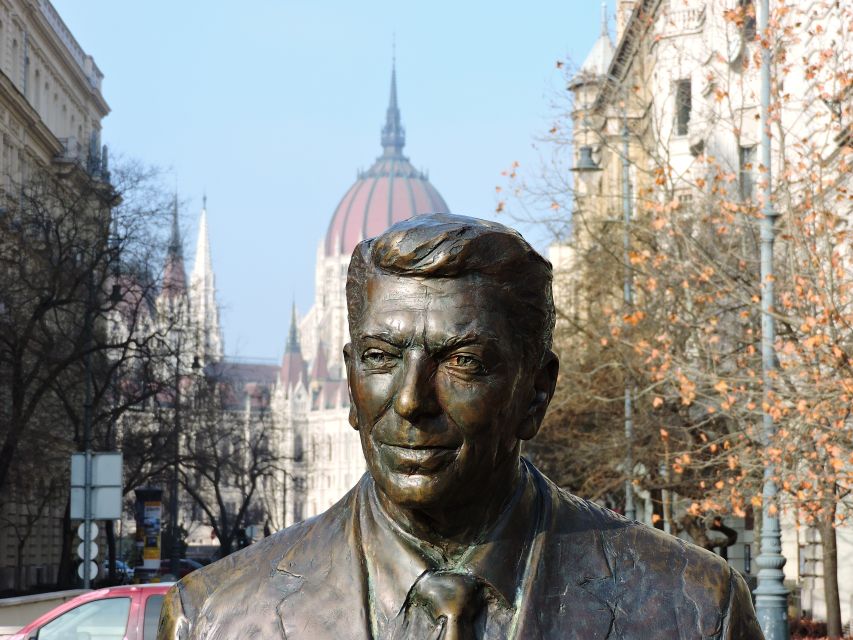
The walk takes place through one of the more pleasant areas of central Pest, but the subject is not always comfortable. You may pass traces of violence, including bullet holes and places linked to wartime events or the 1956 Revolution. The guide’s job is to connect those physical details with the choices and pressures faced by people living through them.
Do not expect every stop to look like a formal memorial. Part of the appeal is learning to notice small clues. A building, statue, sign, or street detail can carry a political message that is easy to miss when you are exploring alone.
World War II, 1956, and the path to 1989
The Communist period is the main subject, but the tour does not treat it as a sealed chapter. The guide places it between the destruction and political upheaval of the twentieth century.
World War II forms part of the background, followed by the arrival of Communist rule. The 1956 Revolution is another major point in the story. The tour then moves into the decades of socialism and the changes that led to the end of the system.
This is where a good guide can make a major difference. The subject includes political ideas, foreign influence, local resistance, economic life, and the question of how much freedom people had in different periods. A simple good-versus-bad account would miss the shifting character of Hungary’s system.
One guide, Greg, has been praised for explaining the move from the harsher post-1956 years toward a softer form of socialism, as well as the opening of the border with Austria. That part of the story helps explain why the end of Communism in Hungary was tied to wider changes in Europe.
You will also hear about the legacy of the period. That may include the continuing meaning of statues and monuments, the place of the church and media, and how political arguments from the past still affect Hungary today.
The tour does not promise a fixed museum-style script from a single personality. Guides named Judit, Greg, Zsuzsanna, Monica, Virág, Gergely, and Dániel have led versions of this experience. Their shared focus is Hungary’s modern history, but the exact emphasis can vary. If you have a particular interest, ask about it early.
Monuments, symbols, and the details most people miss
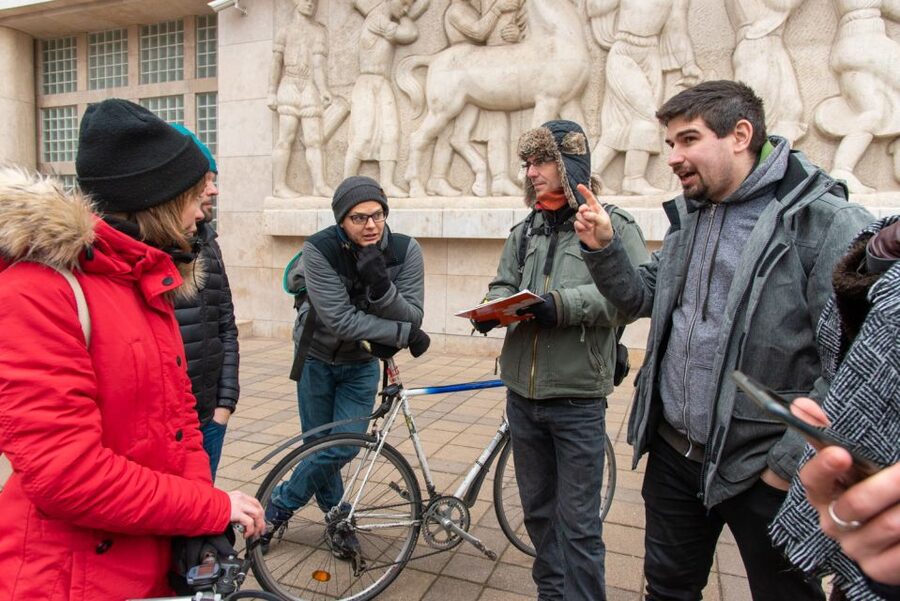
A central strength of this walk is learning how to read Budapest’s public spaces.
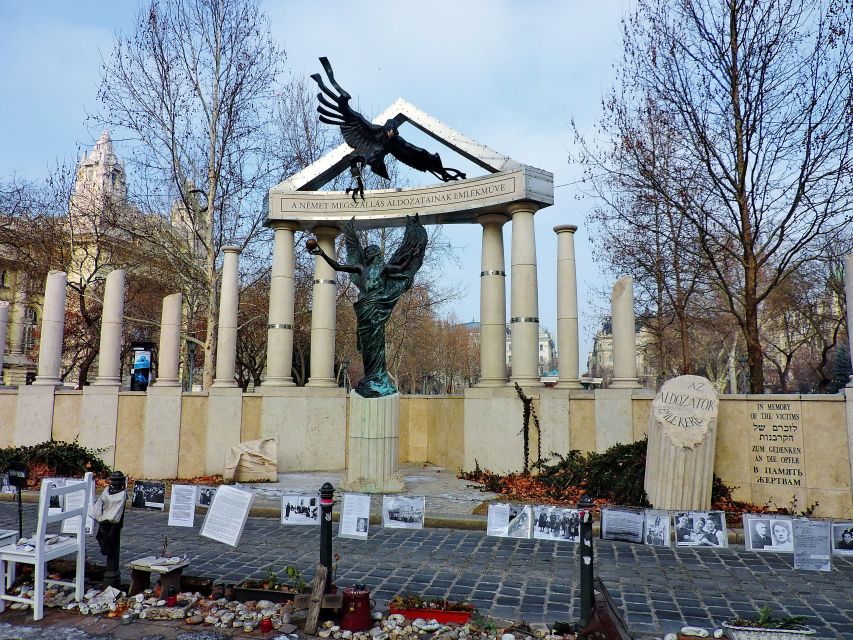
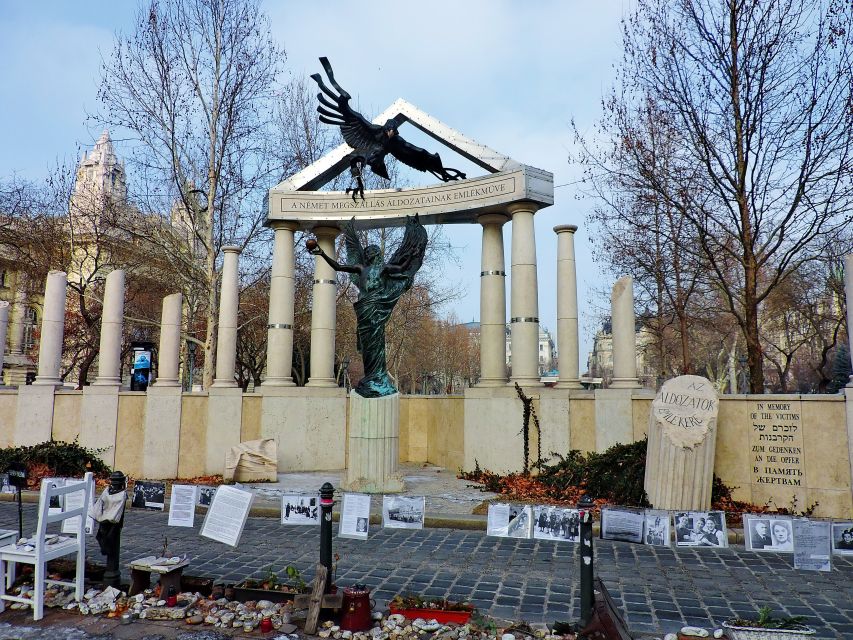
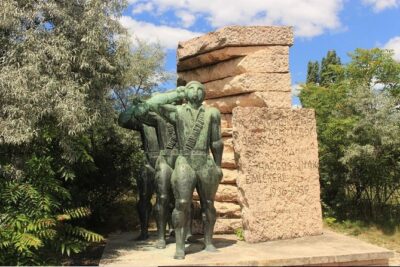
You may see monuments connected with Soviet influence, the 1956 Revolution, or the political shift after 1989. The important question is not simply what is this statue? It is why is it here, and how do Hungarians feel about it now?
One earlier participant was especially struck by the contrast between people taking photographs near an old Soviet monument and the more complicated local feelings attached to it. That is a useful warning for any sightseeing walk: a monument may have a different meaning for local residents than it does for an outsider.
The guides also bring attention to details outside the official story. Zsuzsanna, for example, has been praised for pointing out street art, pop culture references, and small signs of everyday life. These details help connect the past with the present instead of treating Communism as a costume from a distant era.
This is one reason the route suits people who have already seen Budapest’s major sights. You may recognize the squares and buildings, but the guide gives them another layer. You begin to notice how war, political control, resistance, and memory have shaped the city center.
More walking tours in Budapest:
- Budapest: Buda Castle Walk with Saint Stephen’s Hall
★ 4.5 · 3,012 reviews - Big Bus Budapest Hop-On Hop-Off Bus and Walking Tour
★ 3.5 · 2,206 reviews - Budapest: Buda Castle District Walking Tour
★ 4.6 · 2,108 reviews - Budapest City Landmarks Walking Tour in 2 Hours
★ 5.0 · 2,048 reviews
Riding Budapest’s red M2 subway
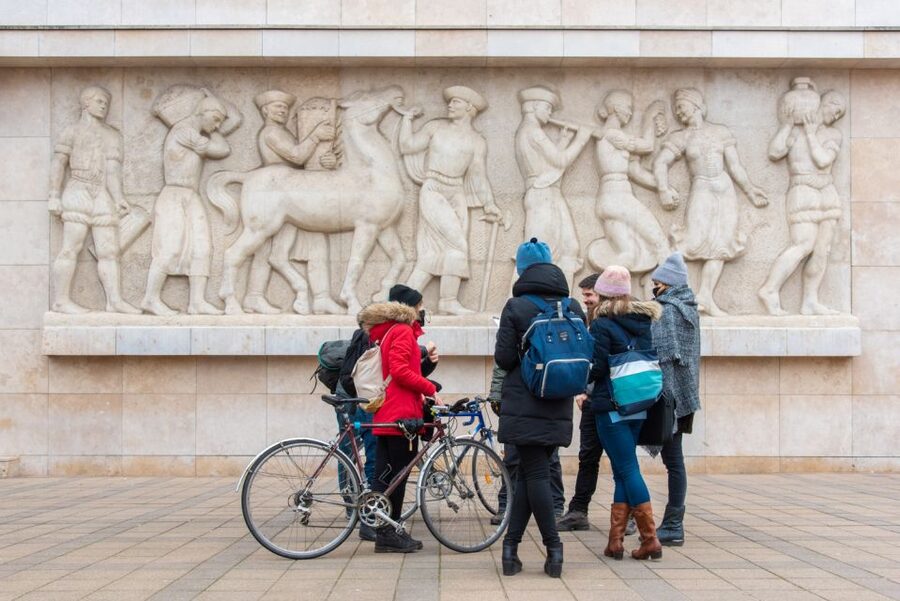
The tour includes a ride on the red M2 line and provides the transportation ticket.
That sounds like a small detail, but it fits the subject well. Public transport is part of ordinary urban life, and the subway ride gives you a brief change from walking and street-level monuments. It also lets the guide continue the discussion while you move through the city.
The subway portion is not presented as a separate attraction. Think of it as part of the route and part of the experience of seeing Budapest as a working city rather than a collection of postcard sights.
Because the tour lasts three hours, comfortable shoes still make sense. The walk includes city streets and public transport, and the exact amount of time spent at each point may depend on the group’s questions.
A small group of up to 10 people helps here. You are not standing at the back of a large crowd trying to hear a speech. The format gives you room to ask about a particular family, political period, monument, or comparison with your own country.
The 1961 café stop
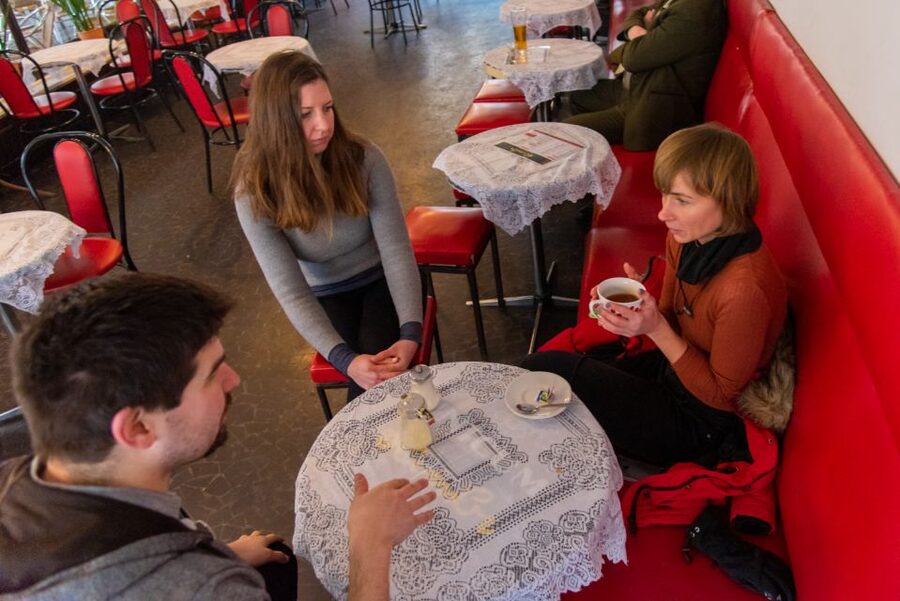
The final café stop is one of the most appealing details of the tour.
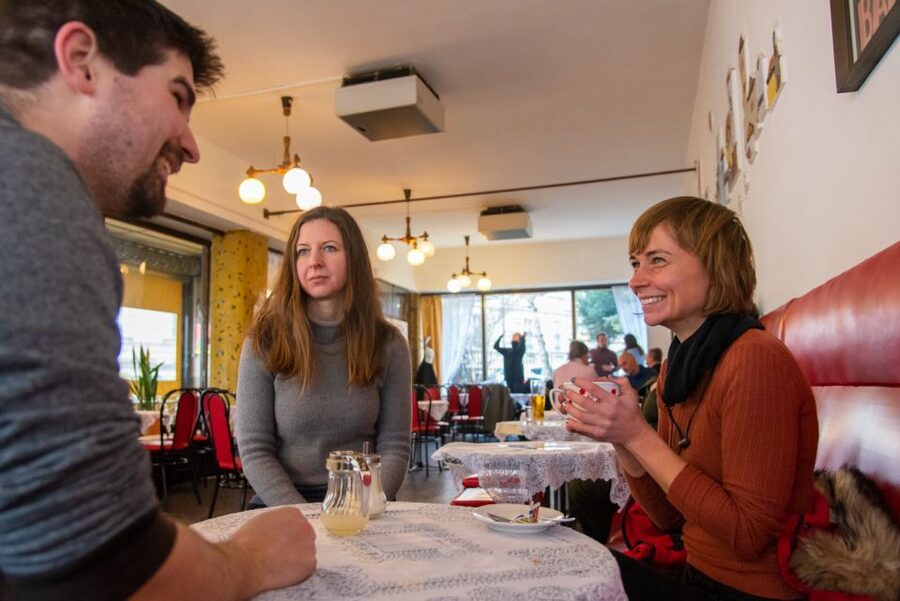
You receive a drink at a bar that has changed very little since it opened in 1961. The point is not luxury or elaborate food. It is the chance to sit in a place connected to the period and talk through what you have seen.
That setting can make abstract ideas easier to grasp. Instead of ending with one last monument and a quick goodbye, the tour closes around a table. You can ask questions, test your understanding, and talk about the difference between official political language and daily experience.
The drink is included, but the real value is the conversation. Several guides have been praised for creating an open discussion rather than delivering a one-way lecture. Judit, in particular, has been described as welcoming questions and keeping a good rhythm during the café break.
The stop also gives the tour a human finish. Communism was a system of laws and institutions, but it was lived by people in homes, workplaces, schools, cafés, and public spaces. A drink in an old café brings the discussion back to that ordinary level.
How the guides shape the experience
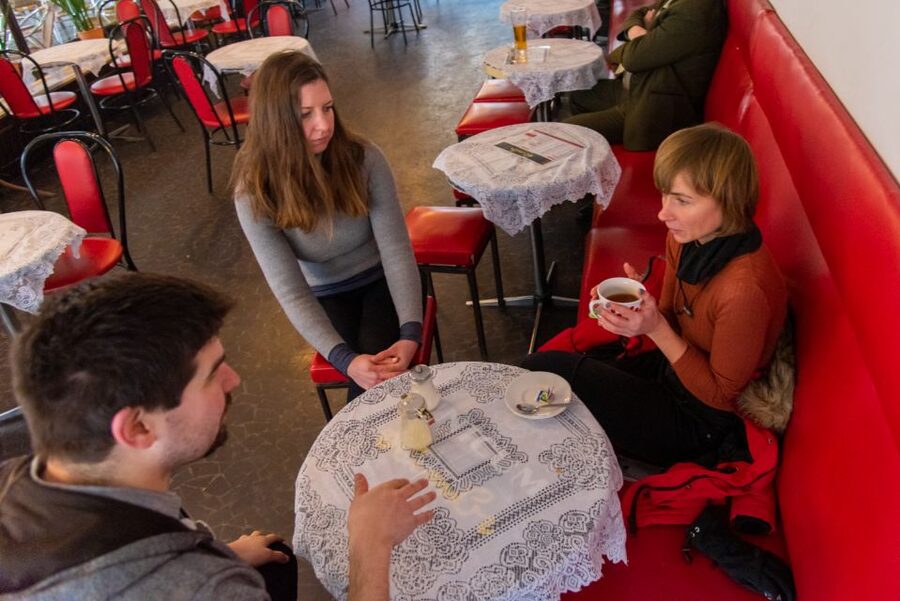
The guide matters more here than on a simple sightseeing route. The subject is complicated, political, and personal. You want someone who can explain the broad timeline without turning the walk into a lecture.
The named guides have different strengths. Judit is associated with clear explanations, warmth, and strong answers to questions. Greg has focused on post-1956 socialism, the border with Austria, politics, religion, media, and daily life. Zsuzsanna has added street art, popular culture, and personal stories to the historical account.
Monica has been described as passionate about the subject and able to make life under Communism feel tangible. Virág has led tours with a strong focus on Budapest and Hungarian history. Dániel has used family stories to show how political ideas affected real households.
You may not be assigned a particular guide when you book, so do not choose this tour solely because one name appeals to you. Instead, expect a live English-language guide with room for questions and discussion.
The small group format is especially useful if you enjoy conversation. One person described having a nearly private experience with Greg, which allowed the walk to become highly tailored. A full group of 10 will feel less personal, but it should still be far more interactive than a large coach excursion.
Price, pace, and who gets the best value
The price is $57 per person for three hours. That is not the cheapest way to see central Budapest, but it is fair if you want a serious historical explanation rather than a basic orientation walk.
Your fee covers the guide, the subway ticket, and a drink at the retro café. More important, it buys access to a focused subject that would be difficult to reconstruct alone. You could walk past the same buildings for free, but you would miss much of the meaning attached to them.
The value is strongest for people who enjoy history, politics, culture, and thoughtful conversation. It also works well as an early Budapest activity because it gives later sightseeing more context. After the tour, monuments and public spaces in Pest may make more sense.
The value is weaker if you want only famous landmarks, photo stops, or a light introduction to Budapest. This is not a general city highlights tour. It asks you to listen, think, and sometimes sit with uncomfortable questions.
The three-hour length is enough to build a real story without taking your entire day. Still, the subject is broad. If you want every period explained in strict chronological detail, tell the guide that preference at the start. One useful criticism of the experience was that the historical account could be more structured and chronological. That is a reasonable concern, especially for people who do not already know much about Hungary.
The free cancellation window extends to 24 hours before the tour, and you can reserve now and pay later. Check the available start times when booking, since the schedule can vary.
Best for curious minds, not hurried sightseers
I would choose this tour if you want to understand why Budapest looks and feels the way it does today.
It suits first-time visitors who want a stronger base in Hungarian history, as well as repeat visitors who have already seen the main landmarks. It is also a good match for anyone interested in postwar Europe, the Cold War, political change, or the way family memory shapes national identity.
The tour is conducted in English. Since it includes a lot of speaking and discussion, you should be comfortable following a detailed English explanation for three hours.
It is less suitable for young children who need constant activity, or for anyone hoping for a quick route between famous sights. The walk may also feel heavy if you prefer to avoid political topics while on holiday.
Still, the tone appears to be open rather than confrontational. Questions are welcome, and the café stop gives you time to discuss difficult points instead of rushing past them.
Should you book the Budapest Communism walking tour?
Book it if you want more than a surface view of Budapest. The combination of central streets, bullet holes, monuments, the M2 subway, family memories, and a 1961 café gives the subject a useful human scale.
I would be especially keen to book if I had an interest in the 1956 Revolution, the softer socialist years, the opening of the Hungary-Austria border, or how Communist-era experiences still affect Hungary. Ask for a chronological overview if you prefer a clear timeline, and bring questions for the café discussion.
Skip it if your main goal is architecture, food, or a broad first look at the whole city. For everyone else, $57 is a reasonable price for three hours of focused history in a group capped at 10 people.
FAQ
Where does the Budapest Communism walking tour begin?
The meeting point is in front of Kempinski Hotel Corvinus Budapest, facing the Ferris wheel on Erzsébet Square. The address is Erzsébet tér 7, 1051 Budapest.
How long does the tour last?
The tour lasts three hours.
What language is the tour conducted in?
The live tour guide speaks English.
How large is the group?
The tour is limited to 10 participants.
Does the tour include public transportation?
Yes. The experience includes a transportation ticket for a ride on Budapest’s red M2 subway line.
Is a drink included?
Yes. The tour includes a drink at a retro café that has changed very little since opening in 1961.
What period of Hungarian history does the tour cover?
The main focus is Communism in Hungary, including its arrival, rule, and legacy. The commentary also connects the period with World War II, the 1956 Revolution, 1989, and the early 1990s.
Can I cancel the booking?
You can cancel up to 24 hours in advance for a full refund. The booking option also allows you to reserve now and pay later.
More 3-Hour Experiences in Budapest
- 3-Hour Orientation Walking Tour of Buda and Pest
★ 4.8 · 1,834 reviews - Budapest: 3-Hour Grand City Tour and Castle Walk
★ 4.3 · 1,437 reviews - Budapest: 3-Hour Live Guided Sightseeing Tour
★ 4.4 · 1,041 reviews - 3 Hours Budapest Segway Grand City Tour Buda, Margaret and Pest
★ 5.0 · 255 reviews
Recently added around Budapest
- Budapest: Private Walking Tour with a Local Guide★ 3.6 · 6 reviews
- Budapest: Danube River Views Bike Ride★ 4.8 · 23 reviews
- From Budapest: Guided Tour of Eger with Wine Tasting★ 4.5 · 6 reviews
- Budapest: City Bike Tour with Coffee Stop★ 5.0 · 37 reviews
- Budapest: Vacation Photographer to collect great memories★ 5.0 · 49 reviews
- Walk to recent and aged spiritual sanctuaries near Budapest★ 5.0 · 5 reviews
- Trash Art Museum: Hungary’s First Scrap Metal Exhibition★ 4.3 · 72 reviews
- Budapest: Multilingual Highlights Tour★ 4.8 · 89 reviews
Communist History Tours, compared.
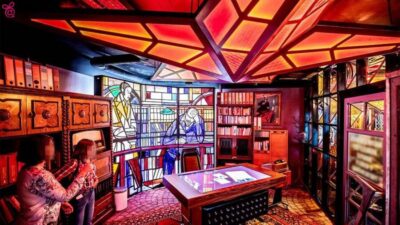
Communist History Tour with House of Terror Option
Read our review →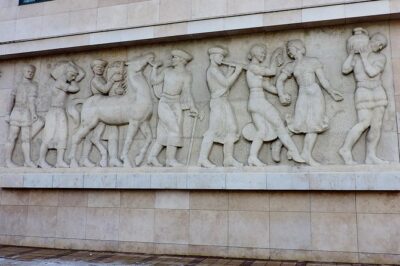
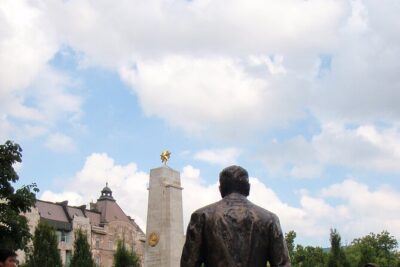
Lives of Hungarians Under Communist and Capitalist system
Read our review →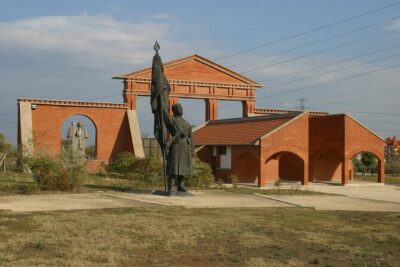
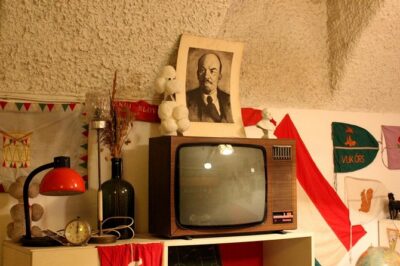
Private Budapest Hammer & Sickle Communist Times Tour
Read our review →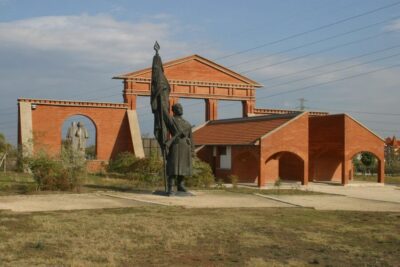
Browse the lists this tour appears in