
Reviewed · COMMUNIST HISTORY TOURS
Memento Park: Official Guided Tour with Entry Ticket
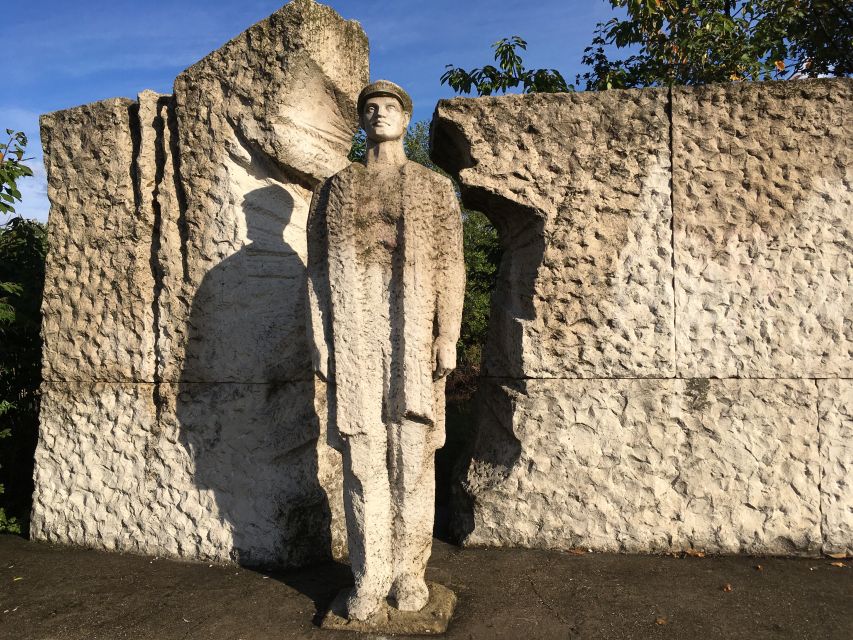
Memento Park is where Budapest’s discarded communist monuments found a second life. Giant bronze workers, soldiers, and political figures now stand outside the city, removed from their old places of power and arranged for you to read them with fresh eyes. The best part is not simply seeing the statues. It is learning how their poses, scale, and symbols once worked on the public.
I like the way the tour connects political art with daily life, rather than treating the park as a row of odd sculptures. I also like the chance to enter Stalin’s Grandstand, see its concealed rooms, and take a picture in a Trabant, the boxy East German car that became a familiar sight behind the Iron Curtain.
The drawback is the location. Memento Park sits on the outskirts of Budapest, and public transport takes about 40 minutes. The paths are gravel, the tour runs in all weather, and this is a serious history stop, not a quick photo attraction.
Key points to know before you go
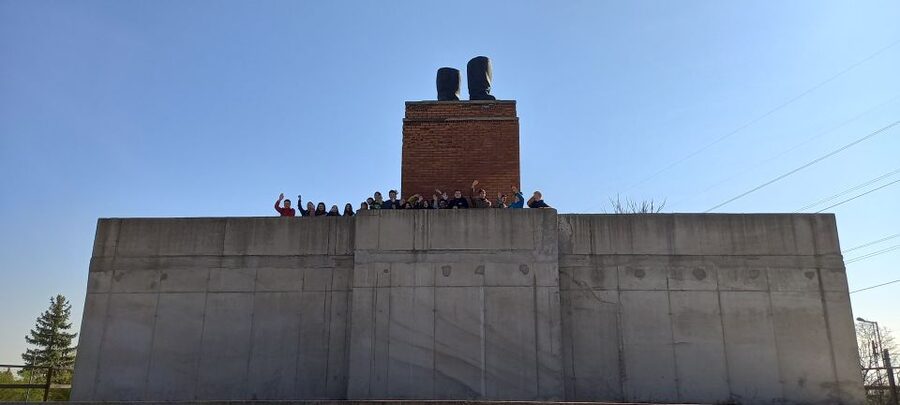
- Stalin’s Grandstand: Begin with the former ceremonial platform and its hidden rooms, then look out from the Waving Balcony.
- A guide changes the visit: The statues make much more sense when someone explains their symbols, purpose, and place in communist public life.
- A 70-minute core tour: The guided walk covers Witness Square, the outdoor memorial area, Statue Park, and the End Wall.
- A Trabant photo stop: After the walk, you can photograph yourself in an original retro car.
- Plan for the outskirts: Allow roughly 40 minutes to reach the park by public transport, plus extra time after the tour.
- Best for history-minded visitors: Children under 10 are not suited to this activity, and the subject matter demands attention.
Why Memento Park matters
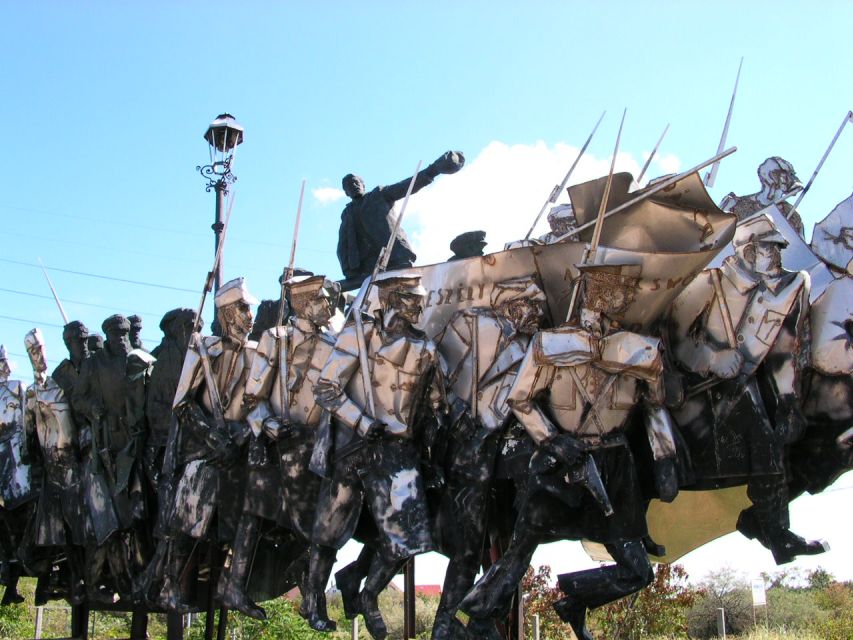
After Hungary’s communist era ended, many oversized public statues lost their official purpose. Instead of leaving them scattered around Budapest, the city gathered them at Memento Park, a place where propaganda can be examined rather than quietly forgotten.
That setting gives the visit its unusual edge. These sculptures were made to command attention in streets and squares. Here, they are removed from daily life and placed together, so you can compare one image of power with another. A worker may look heroic, a soldier may seem protective, and a political leader may appear larger than ordinary people. Your guide helps you ask what each pose was meant to make people feel.
You are not just looking at old bronze. You are looking at a system that used public art to shape memory and behavior. The tour also moves beyond official messages, explaining what ordinary Hungarian life was like under dictatorship. That connection is valuable because a statue tells only part of the story. You also need to understand the society around it.
The park works best when you pay attention to details. Look at the direction of a figure’s gaze, the way bodies are arranged, and who appears to lead or follow. Even without an art background, you can begin to read the visual language once the guide gives you the tools.
More communist history tours in Budapest:
- Budapest: Communist History Tour with House of Terror Option
★ 4.8 · 182 reviews - Budapest: 3-Hour Walking Tour About Communism (Small Group)
★ 4.7 · 70 reviews - Communism in Hungary with a Historian
★ 5.0 · 70 reviews
Starting at Witness Square and Stalin’s Grandstand
Meet your English-speaking guide at the cash desk 15 minutes before the start. You will present your voucher before joining the group, so do not arrive at the last moment if you need time to find the entrance.
The walk begins at Witness Square, the open space in front of the park. This is a useful starting point because it frames the visit as an examination of public memory. The guide introduces the park and the political setting before leading you to Stalin’s Grandstand.
Stalin’s Grandstand is one of the most striking parts of the visit. It recalls the kind of platform from which communist leaders watched parades and public ceremonies. The important detail is that the tour does not stop with the exterior. You also explore hidden rooms within the structure, which adds a practical side to the political theater.
From the Waving Balcony, you can look across the surrounding area. The view gives you a sense of how a grand ceremonial space relates to its less grand surroundings. It also helps you see the contrast between the dramatic architecture and the ordinary world beyond it.
I like this opening because it starts with power at its most theatrical. You see how a government could build a stage for mass events, then step behind the stage to see the less public side of that performance.
Reading the statues in Statue Park
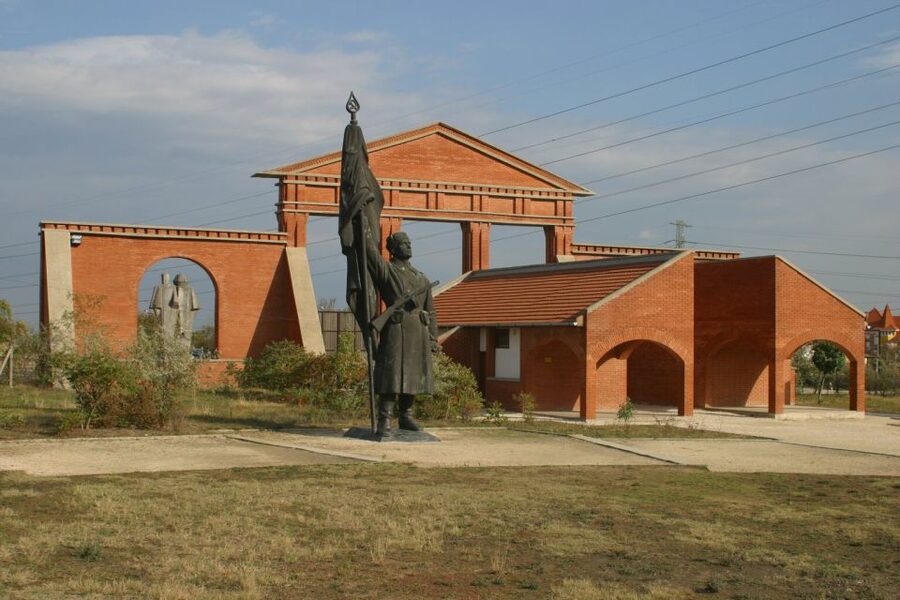
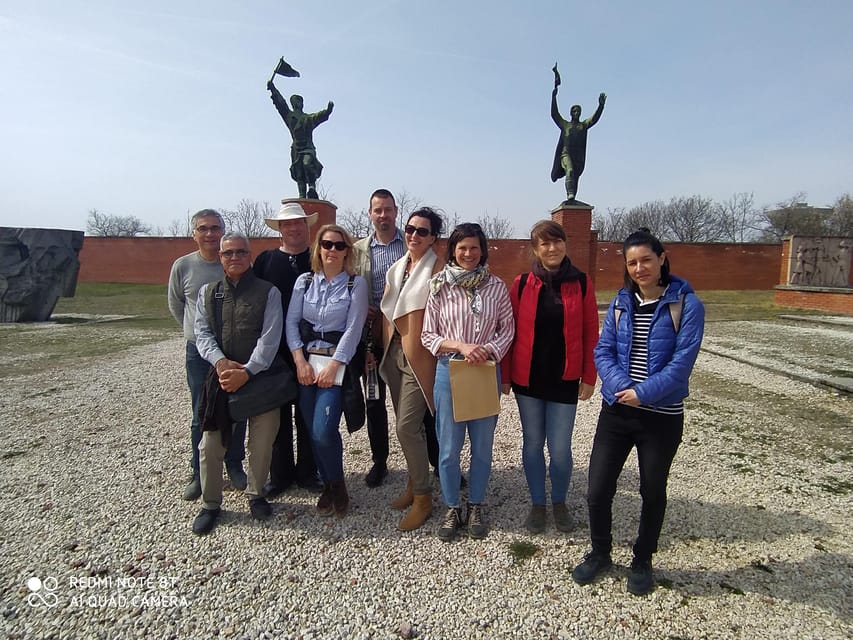
The main section is Statue Park, where the large communist-era monuments are gathered. Your guide introduces figures representing workers, Hungarian and international communist personalities, and important moments from the workers’ movement.
You will see a mix of subjects rather than one single memorial theme. That variety lets the guide compare local Hungarian symbolism with the wider international language of communism. The statues were not meant to be subtle in their original locations. Their size and posture were designed to make an ideological point before anyone read a plaque.
This is where a guided visit earns its price. On your own, you can admire the bronze surfaces and unusual poses, but you may miss why the artists showed people in such exaggerated ways. The guide explains the symbols and propaganda methods, helping you understand how the monuments were meant to influence citizens.
A strong guide also connects the public images with private life. The goal is not to suggest that every Hungarian experienced the period in exactly the same way. Instead, you learn how political messages appeared in public while daily life continued under restrictions, shortages, and state control. The tour gives you a better sense of the gap between official optimism and ordinary experience.
I would pay close attention to the guide’s explanations of scale and group composition. A statue can look heroic when viewed alone, but its meaning changes when you see who is placed beside it, who is raised above the crowd, and who appears to be following.
The End Wall and the final message
The guided route finishes at the End Wall. This gives the walk a clear endpoint rather than leaving you to wander away after the last statue.
The location is part of the message. Memento Park is not trying to return these figures to their former role. They are preserved as evidence of a period that used monumental art to control public space and shape political memory. Reaching the End Wall after the statues gives you a moment to think about what happens when official symbols lose their authority.
The walk is interactive. Questions and personal thoughts are welcome, so you do not have to treat the visit as a silent lecture. If you are curious about a particular figure, symbol, or period, this is the time to ask.
The guided portion is described as taking about 70 minutes, while the activity timetable also allows longer blocks for the visit and additional experiences. In practical terms, plan on a guided walk of about an hour, then stay longer if you want to see the films, exhibitions, shop, and car display.
A few more Budapest half-days to weigh up
- Budapest: City Highlights Cruise with Welcome Drink
★ 4.6 · 35,610 reviews - Budapest: Unlimited Prosecco, Beer and Aperol Spritz Cruise
★ 4.8 · 25,310 reviews - Budapest: Széchenyi Spa Day Ticket with Optional Upgrades
★ 4.3 · 23,911 reviews - Budapest: Nighttime or Daytime Sightseeing Cruise
★ 4.2 · 21,062 reviews
What to do after the guided walk
The tour does not force you to leave when the guide finishes. This extra time is important because the park includes more than the main route.
You can take photographs among the statues, then pose with an original Trabant. The car is a small but useful detail because it shifts the focus from official monuments to everyday material culture. For many people, the Trabant is an easier way into the period than a political sculpture. It shows the look and feel of ordinary life behind the Iron Curtain.
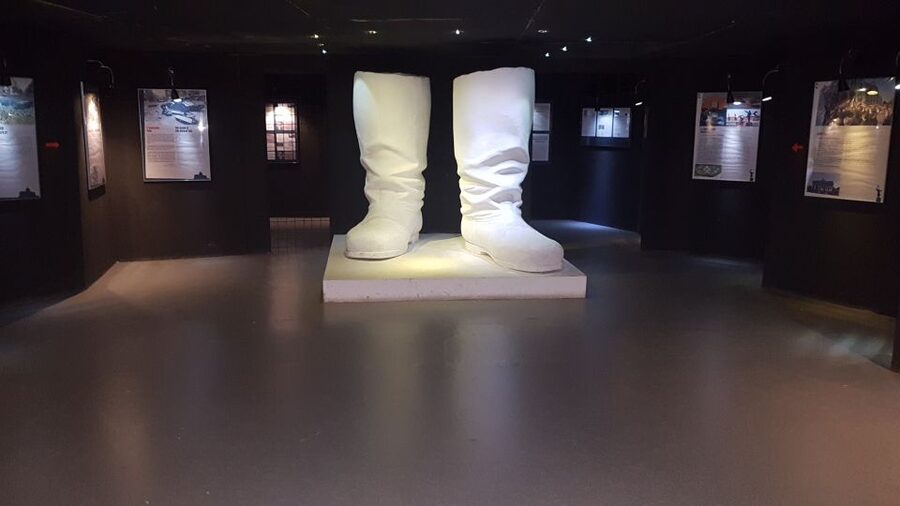
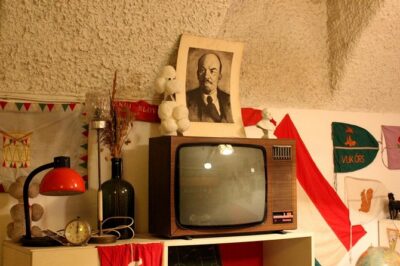
You can also visit The Most Cheerful Barrack, which contains exhibitions and a movie show. The old spy recruitment films are described as unintentionally funny, but they also give you another view of communist messaging. They show how ideology could appear in film and recruitment material, not only in huge outdoor monuments.
The souvenir shop is available if you want a small reminder of the visit. I would not rush away after the End Wall. The films and displays can add context, especially if the statues have made you curious about how propaganda worked in everyday settings.
Food and drinks are not included. The timetable refers to local snacks and food tasting, but you should check the exact option and availability when booking. Do not count on the admission price covering refreshments.
Getting there and dealing with the setting
Memento Park is outside central Budapest. Public transport takes about 40 minutes, so include the journey in your day rather than treating the park as a quick stop between central sights.
A taxi is the simpler choice if you value time or are traveling with several people. Public transport is workable, but the distance means you should check the start time carefully and leave a proper buffer. The meeting point is the cash desk, and you are asked to arrive 15 minutes early.
The park’s promenades are covered with gravel. Wear comfortable shoes with a firm sole, especially if you plan to stay for the extra exhibits. The site is wheelchair accessible, but gravel can still affect comfort and speed, so allow enough time and dress sensibly.
The tour runs in rain or shine. Bring sunscreen on bright days, weather-appropriate clothing in colder or wetter conditions, and a camera if you want the Trabant photo or close views of the statues. There is little value in arriving dressed for a short indoor museum visit. This is an outdoor walk.
Is the $28 price good value?
At $28 per person, the experience offers admission and a live English-language guide. That is a reasonable price if you want historical explanation rather than only access to the grounds.
The value depends on how you visit museums. If you enjoy reading signs and forming your own impressions, you might prefer a self-guided look at the statues. The park has a strong visual appeal even without a tour. But if you want to understand propaganda, symbolism, and daily life under the communist dictatorship, the guide adds the part you cannot easily get from the bronze figures alone.
The price also covers access to the wider park premises, not just one monument. You can see Stalin’s Grandstand, walk through Statue Park, reach the End Wall, and spend extra time with the exhibitions and films. Food, drinks, and transport cost extra, so the real budget should include the journey and any refreshments.
I would consider the tour good value for visitors who have already seen Budapest’s grand central monuments and want a different side of the city’s past. It is less useful if you have only a few hours in Budapest and want to focus on central attractions.
Who should book this experience?
This is a strong choice for adults and older children who enjoy political history, public art, or twentieth-century Europe. The material is serious, and the tour asks you to listen and think. Children under 10 are not suitable for the activity.
You will get the most from it if you enjoy asking why a monument was built, who it served, and what happened when its message stopped working. The guide may be Ildi, who brings personal experience of life under the former regime, or another English-speaking guide. A guide with that background can make the period feel less abstract.
The tour also suits photographers, but it is not only a photo stop. The statues are large and unusual, and the Trabant makes an easy picture. Still, the central purpose is understanding the political ideas behind the images.
If your interests are mainly food, architecture, or light sightseeing, this may feel heavy. The location also means you give up part of a day for the visit. That trade is worthwhile when communist-era history is high on your list.
Practical verdict
Book Memento Park if you want to understand why these statues were created, how they shaped public space, and what life felt like behind their official message. The guide-led format is especially useful for first-time visitors because the symbolism is not always obvious from the sculpture alone.
Skip it if you have no interest in twentieth-century politics, dislike outdoor sites in uncertain weather, or cannot spare the journey to the outskirts. For everyone else, the combination of Stalin’s Grandstand, the giant bronze figures, the Trabant, and the films creates a memorable history stop that feels very different from Budapest’s usual sights.
FAQ
How long does the guided tour take?
The guided walk is described as taking about 70 minutes. The wider activity schedule allows additional time for snacks, exhibits, films, photographs, and independent exploration.
Where does the tour begin?
You meet the guide at the Memento Park cash desk. Arrive 15 minutes before the activity begins and present your voucher before joining the group.
Is transportation to Memento Park included?
No. Transportation is not included. Memento Park is on the outskirts of Budapest, and reaching it by public transport takes about 40 minutes.
Is the tour available in English?
Yes. The activity includes a live English-speaking guide.
Can I visit Memento Park in rainy weather?
Yes. The tour runs in rain or shine. Bring weather-appropriate clothing and suitable shoes because much of the experience takes place outdoors.
Is Memento Park wheelchair accessible?
Yes, the activity is listed as wheelchair accessible. The promenades are covered with gravel, so the surface may affect how easily you move around the site.
Recently added around Budapest
- Budapest: Private Walking Tour with a Local Guide★ 3.6 · 6 reviews
- From Budapest: Guided Tour of Eger with Wine Tasting★ 4.5 · 6 reviews
- Budapest: City Bike Tour with Coffee Stop★ 5.0 · 37 reviews
- Budapest: Danube River Views Bike Ride★ 4.8 · 23 reviews
- Budapest: Vacation Photographer to collect great memories★ 5.0 · 49 reviews
- Walk to recent and aged spiritual sanctuaries near Budapest★ 5.0 · 5 reviews
- True Crime Walking Tour in the Buda Castle district★ 5.0 · 26 reviews
- Trash Art Museum: Hungary’s First Scrap Metal Exhibition★ 4.3 · 72 reviews
Communist History Tours, compared.
Communist History Tour with House of Terror Option
Read our review →
3-Hour Walking Tour About Communism (Small Group)
Read our review →
Lives of Hungarians Under Communist and Capitalist system
Read our review →
Private Budapest Hammer & Sickle Communist Times Tour
Read our review →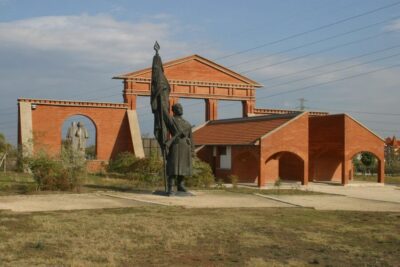
Browse the lists this tour appears in